
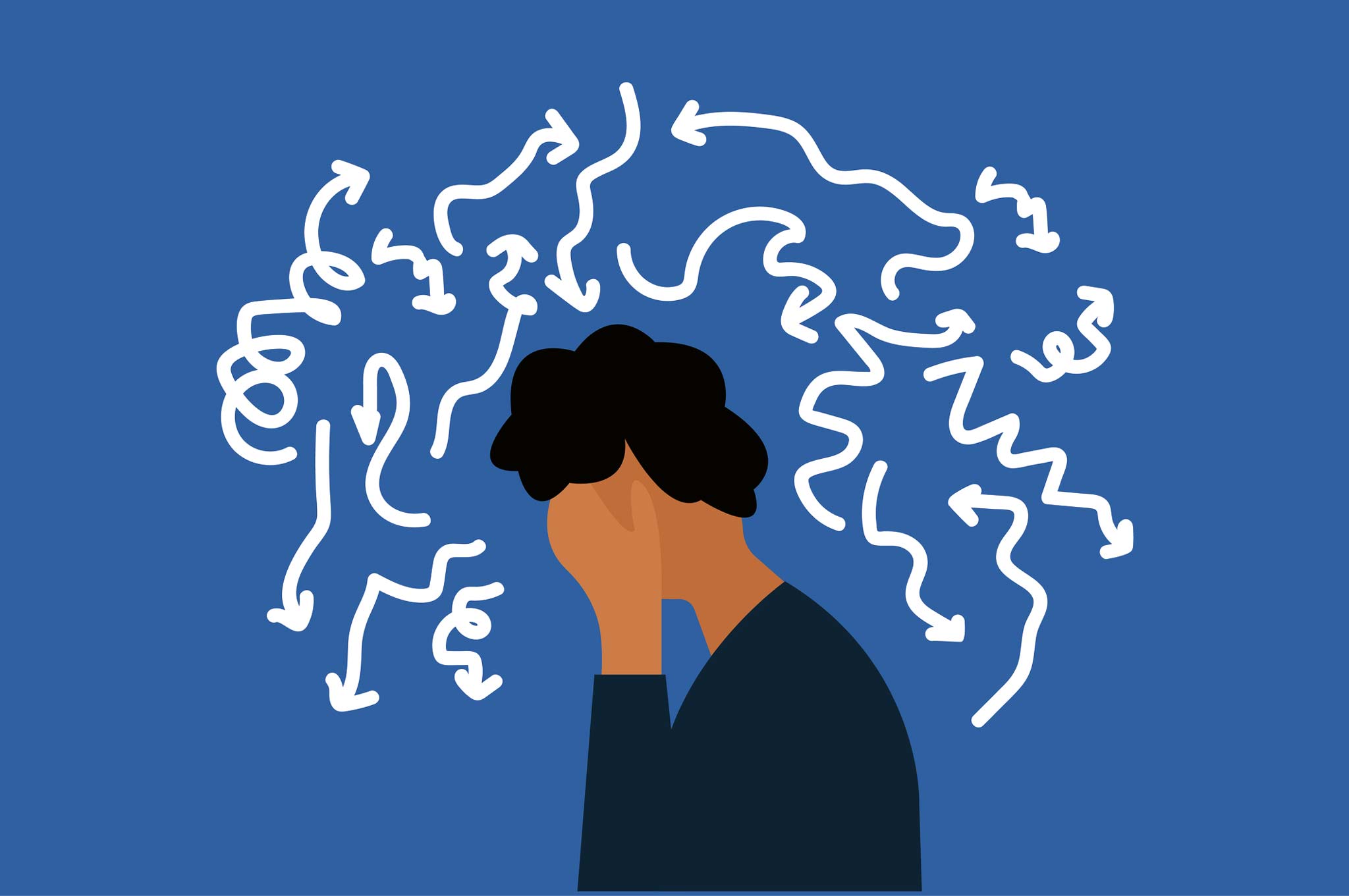
If you struggle with high-functioning anxiety, it might not be obvious to people around you that you are anxious at all. Since you are finding external success that others can perceive, and it’s not impacting your outside life, many would never assume you’d be battling anxiety.
Although there are no specific statistics for high-functioning anxiety, an estimated 19.1% of the population suffers from anxiety, and only 30% of that population ends up receiving treatment [1,2]. At Clear Behavioral Health, our treatment programs can help alleviate anxiety symptoms, and you can learn real-life coping skills to manage your high-functioning anxiety.
Always keep in mind that success does not dictate whether someone is anxious or not. You can be successful and high performing while dealing with debilitating anxiety.
Build coping skills with our top-rated anxiety treatment programs today
What is the difference between high-functioning anxiety and normal anxiety?
Some key differences between high-functioning anxiety and generalized anxiety disorder are [3]:
- External presentation: High-functioning anxiety often presents as excelling in academics, sports, or work, while general anxiety typically manifests in ways that are more visibly noticeable, allowing for assessment and support.
- A coping mechanism: A common coping mechanism for high-functioning anxiety is constant overachievement, with little tolerance for anything less—whether at work, in friendships, within family dynamics, or even regarding appearance. In contrast, general anxiety often manifests as avoidance, preventing you from even attempting to excel.
- Gaining recognition: When you have high-functioning anxiety, it’s normal to be praised for your symptoms, and people don’t realize it stems from your anxiety. This means being praised for always overworking, doing the most work at social events, and always showing up seemingly flawless.
- Internal experiences: High-functioning anxiety creates intense internal pressure to succeed, even when outwardly successful. General anxiety often brings fear and avoidance that can prevent taking action.
- Professional/academic impact: Professional or academic stress can drive those with high-functioning anxiety to push themselves even harder, while regular anxiety may lead to immediate overwhelm and noticeable impairment.
- Official diagnosis: High functioning anxiety is not recognized as an actual diagnosis in the Diagnostic and Statistical Manual of Mental Disorders, Fifth Edition (DSM-5), while other anxiety disorders are.
Related: What is Anxiety?
What are high-functioning anxiety symptoms?
Symptoms of high-functioning anxiety tend to go unnoticed in comparison with other anxiety disorders. While high functioning does share some symptoms with other anxiety conditions, like generalized anxiety disorder (GAD) and social anxiety disorder (SAD), they are generally milder.
Physical symptoms
- Chronic fatigue despite appearing energetic
- Sleep disturbances
- Racing thoughts
- Tension headaches
- Digestive issues
- Appetite changes
- Difficulty relaxing even during downtime
Emotional and mental symptoms
- Perfectionism
- Overthinking
- Fear of failure
- Ruminating on thoughts or experiences
- People-pleasing habits
- Imposter syndrome
- Anxious feelings
- Difficulty saying no to commitments
Behavioral signs
- Overpreparation
- Procrastination followed by overwhelming work sessions
- Inability to rest
- Seeking external validation
- Avoiding situations where you will not excel
What are three signs of high-functioning anxiety?
1. Perfectionism that never feels “enough”
Feeling like you’re never enough often comes from setting unrealistic standards for yourself. A fear of mistakes can make it hard to delegate, as asking for help feels like losing control or risking failure. No matter how much you accomplish, satisfaction often remains elusive.
2. External success masking internal struggle
Maintaining external success can hide the extent of your internal struggle, often showing up as high performance at work or school despite underlying anxiety. Others may assume you have it all together, but you may still feel like a fraud. Asking for help can feel daunting, as you fear it might shatter the image of perfection you’ve built.
3. Physical and mental exhaustion
Striving to maintain these high expectations often leads to burnout and disrupted sleep, leaving you exhausted yet unable to rest. Persistent rumination about future performance and fear of mistakes can overshadow downtime, making it hard to truly relax or enjoy the moment.
The hidden costs of high-functioning anxiety
When you are trying to manage high functioning anxiety, internally you are struggling, and you might start experiencing other issues, like:
- Social isolation
- Relationship issues
- Burnout
- Long-term mental and physical health consequences
- Increased risk of depression and other mental disorders
- Familial and friendship conflict
- Missed opportunities
How to control high-functioning anxiety?
Although you can’t control high-functioning anxiety, you can manage it with various tools.
Immediate coping strategies
- Mindfulness and grounding techniques: Using grounding techniques like the 5-4-3-2-1 method can be helpful. Look for 5 things around you, find 4 things you can touch, 3 things you can hear, 2 things you can smell, and 1 thing you can taste. This can bring you back to the present.
- Breathing exercises: Methods like box breathing, which is when you inhale for 4 seconds, hold for 4 seconds, release for 4 seconds, and hold again for 4 seconds. This can help regulate your nervous system.
- Realistic goal setting: Setting some goals that are actually realistic, that don’t need to put you into overdrive to complete quickly. Instead, work slowly, reaching them with small benchmarks along the way to track. It can help you get away from your high-speed run towards the completion of your goal, which is not necessary.
- Boundary setting: Learn how to set boundaries and say no to those around you so you aren’t overextending yourself. Additionally, learning how to delegate tasks can help take the load off you.
- Self-compassion practices: Most importantly, learning how to be kind to yourself. There’s no need to be harsh or cruel when you are dealing with anxiety. Making sure to support yourself by being kind can make a world of difference regarding your mood and how you approach tasks.
Related: Staying Grounded: The 3-3-3 Rule for Anxiety
Lifestyle modifications
- Sleep hygiene: Making sure to have a consistent sleep schedule and calming bedtime routines can contribute to feeling more rested on a daily basis.
- Exercise and movement: Regular physical activity can help alleviate excessive and ongoing anxiety.
- Nutrition: A balanced diet with limited caffeine and alcohol intake helps with overall mood.
- Time management: Ensuring you schedule downtime and rest periods so you can avoid burnout.
- Social support: Connect with families and friends, especially ones who can empathize with what you are dealing with.
Related: What are Coping Skills for Anxiety?
Professional therapeutic treatment options
- Cognitive Behavioral Therapy (CBT): CBT works well at challenging perfectionist thought patterns.
- Mindfulness-Based Stress Reduction (MBSR): This type of therapy style can help you with present moment awareness, which can prevent extended rumination or overthinking spirals.
- Acceptance and Commitment Therapy (ACT): This can help you learn values-based living, which helps you accept difficult thoughts and emotions.
- Medication management: Some may opt for anxiety medication, which can help manage anxiety symptoms when holistic methods don’t seem to be fully helping.
- Group therapy: Going to an environment where everyone can relate to what you may be experiencing can be healing and helpful to your recovery.
Clear Behavioral Health’s approach to high-functioning anxiety
At Clear Behavioral Health, we have a plethora of anxiety treatment options, evidence-based treatments, and ample support from mental health professionals.
Treatment program options
- Outpatient programs: This is a great option for working professionals who would like to sleep at home and maintain a semi-regular schedule while still attending a program to help with anxiety.
- Individual therapy: This is personalized treatment for specific anxiety patterns, which focuses on your goals for your mental health.
- Group therapy: Having ample peer support with others experiencing similar struggles can help you open up more and learn new coping skills.
- Virtual IOP: This is an online treatment for busy schedules or people who need more accessibility in order to attend a program for anxiety.
- Teen programs: This is an age-appropriate program for teens needing to tackle their anxiety.
Evidence-based treatment methods
Our licensed therapists specialize in anxiety disorders and use integrated approaches that combine therapy and lifestyle changes for your overall recovery. We are sure to incorporate family involvement and support when appropriate.
This helps you build stronger support systems. We also have various locations across Los Angeles for more convenient access, including our location in Santa Clarita, CA. We are in-network with most insurance plans, so your treatment can be more accessible and affordable.
Find lasting support with our treatment programs for anxiety today
When to seek professional help
As your coping strategies become insufficient, your anxiety might begin to impact relationships or even your physical health. Perfectionism might become paralyzing, and you may be experiencing burnout. Success also doesn’t bring any more satisfaction. These can all point to needing to seek professional help for high-functioning anxiety or other mental health concerns.
Start overcoming your anxiety today
High-functioning anxiety is very real and completely treatable. Reaching out for support can seem really daunting, but it’s the bravest thing you can do. Treatment can enhance your well-being and overall performance. Clear Behavioral Health is committed to supporting you through every step of your anxiety journey. Call us today to learn more about our anxiety treatment programs so you can begin healing.
References:
- Obsessive-Compulsive Disorder (OCD). (n.d.-b). National Institute of Mental Health (NIMH). https://www.nimh.nih.gov/health/statistics/obsessive-compulsive-disorder-ocd
- World Health Organization: WHO. (2023, September 27). Anxiety disorders. https://www.who.int/news-room/fact-sheets/detail/anxiety-disorders
- LMFT, L. H. (2023, July 11). Behind the mask: Managing high-functioning anxiety. Mayo Clinic Health System. https://www.mayoclinichealthsystem.org/hometown-health/speaking-of-health/managing-high-functioning-anxiety