

Overcome alcohol addiction with expert support at Clear Behavioral Health
At Clear Behavioral Health, our comprehensive alcohol addiction treatment programs provide expert support to help you address alcohol addiction symptoms, triggers, and withdrawal safely and effectively.
Our treatment for alcohol addiction combines medical detox, residential rehab, outpatient therapy, and ongoing mental health care. Our team is here to guide you toward lasting recovery at one of the leading alcohol addiction treatment centers in California.
We are in-network
We work with most major insurance providers to make quality treatment accessible.
Let us help you through the maze.
Accepted insurance providers













Don’t let cost be a barrier to recovery
We’ll review your insurance, answer your questions, and handle the administrative details for you.
What to expect with our alcohol addiction treatment programs
At Clear Behavioral Health, you can find comprehensive alcohol addiction treatment in Los Angeles designed to support your recovery at every stage. Our programs combine evidence-based therapies, compassionate clinical care, and personalized treatment planning to address both your physical dependence on alcohol and the underlying emotional or mental health factors contributing to substance use.
You’ll have access to a full continuum of care, including medical detox, residential rehab, outpatient programs (PHP and IOP), and dual diagnosis treatment, so you can receive the right level of support for your needs. With flexible scheduling and a focus on lasting sobriety, we help you rebuild stability, health, and confidence in your daily life.
Featured programs
Our thoughtfully tailored addiction and mental health programs are delivered in-network and designed to be both accessible and effective — offering detox, residential rehab, outpatient care, and dual diagnosis treatment in comfortable in-person settings throughout Los Angeles.
Alcohol detox program
Our detox program in Los Angeles provides 24/7 medically supervised care when you’re experiencing acute withdrawal symptoms related to substance use.
With a focus on safety, stabilization, and comfort, you receive evidence-based medical support, compassionate clinical oversight, and a structured environment designed to promote physical stabilization and prepare you for the next phase of recovery.
Services provided at Clear
- Safe, medically supervised detox
- 24/7 clinical support
- Medications to ease withdrawal symptoms
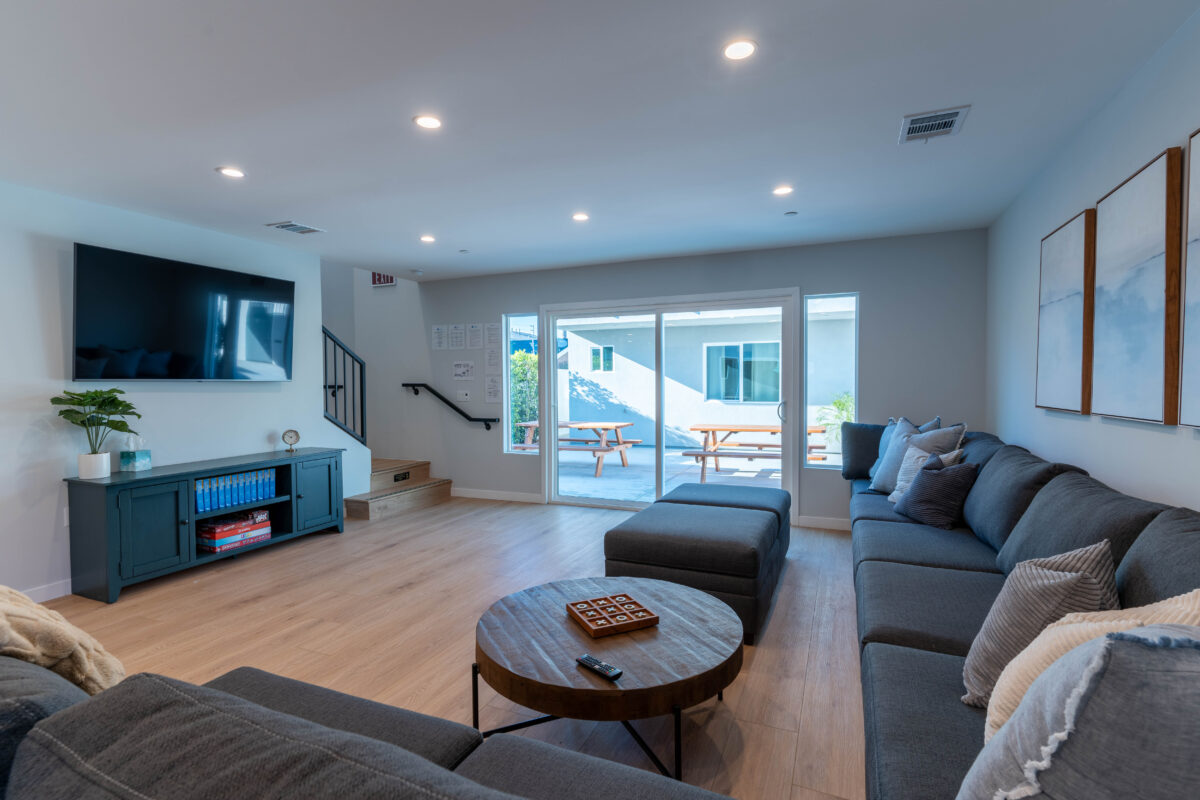
- Private, home-like environment
- In-house transition to rehab
- Holistic therapies (yoga, mindfulness, creative expression)

Inpatient rehab
Our inpatient rehab in Los Angeles provides 24/7 immersive residential care for individuals struggling with drug or alcohol addiction.
With an average stay of 30 days, you receive personalized clinical support, a safe and structured environment, and daily programming designed to promote lasting recovery and well-being.
Services provided at Clear
- 24/7 clinical and therapeutic care
- Expert addiction therapy
- Community and peer support
- Long-term recovery care
- Coping & relapse prevention skills development
- Holistic therapies (yoga, meditation, creative expression)

Outpatient addiction treatment
Our outpatient addiction program in Los Angeles provides structured, supportive care for individuals working toward lasting sobriety.
With a flexible schedule, you receive personalized clinical support, a safe and encouraging environment, and tailored programming designed to strengthen recovery skills and overall well-being in an outpatient setting.
Services provided at Clear
- Individual and group therapy
- PHP & IOP levels of care
- Structured 90-day recovery program
- Coping & relapse prevention skill development
- Holistic therapies (yoga, mindfulness, creative expression)

Dual diagnosis treatment
Our dual diagnosis program in Los Angeles provides evidence-based care for individuals managing co-occurring mental health and substance use disorders in an outpatient treatment setting.
With a structured approach, you receive personalized clinical support, a safe and supportive environment, and programming designed to promote lasting recovery and overall well-being.
Services provided at Clear
- PHP & IOP levels of care
- Individual and group therapy
- Structured 90-day recovery program
- Coping and relapse prevention skills development
- Evidence-based and holistic therapies (CBT, mindfulness, yoga)


Comparison table for detox, rehab (residential/inpatient), outpatient treatment (PHP & IOP), and dual diagnosis programs
| Feature | Detox | Rehab (residential/inpatient) | Outpatient treatment (PHP & IOP) | Dual diagnosis programs |
| Duration of program | Typically 3–10 days, depending on substance use history, withdrawal severity, and medical needs | Usually up to 30 days, with longer stays available based on progress | PHP: Full day programming (5–7 days/week); IOP: 3–5 days/week for several weeks to months | Varies based on mental health and substance use severity; often continues across multiple levels of care |
| Level of supervision | High medical supervision with 24/7 monitoring for withdrawal safety and stabilization | High, 24-hour care and supervision in a structured residential environment | Moderate, scheduled therapy sessions with increasing independence outside treatment hours | Moderate to high, depending on level of care; coordinated psychiatric and clinical oversight |
| Therapeutic modalities | Medical monitoring, withdrawal management medications when appropriate, supportive counseling, psychoeducation, and discharge planning | CBT, DBT, trauma-informed therapy, group therapy, individual therapy, holistic therapies, relapse prevention, and medication management | CBT, DBT, relapse prevention therapy, group therapy, family therapy, life skills development, and medication management if needed | Integrated mental health and addiction treatment, psychiatric care, medication management, trauma therapy, CBT/DBT, psychoeducation, and relapse prevention |
What is alcohol addiction?
Alcohol addiction, also known as alcohol use disorder (AUD), is a chronic disease that affects millions of individuals and their families worldwide. It is characterized by the inability to control alcohol consumption despite the negative consequences it causes in one’s life.
In the United States alone, approximately 15 million adults struggle with alcohol addiction, and alcohol-related deaths claim the lives of over 178,000 people annually. The effects of alcoholism are far-reaching, impacting not only physical and mental health but also relationships, careers, and overall quality of life.
While moderate alcohol consumption may be harmless for most individuals, excessive and chronic alcohol abuse can lead to severe health complications. These include liver disease, brain damage, weakened immunity, cancer, and increased risks of accidents, suicides, and homicides.
Alcohol addiction is more than a matter of willpower; it is a complex disorder influenced by genetic, environmental, and social factors, requiring compassionate care and comprehensive treatment for recovery.
Signs and symptoms of alcohol addiction
Recognizing the symptoms of alcohol addiction is the first step toward seeking help. Common signs include:
- Cravings: A strong, persistent urge to consume alcohol.
- Loss of control: Inability to limit alcohol intake or stop drinking once started.
- Physical alcohol dependence: Experiencing withdrawal symptoms, such as nausea, sweating, shakiness, and anxiety, when not drinking alcohol.
- Tolerance: Needing to consume larger quantities of alcohol over time to achieve the desired effects.
- Neglecting responsibilities: Prioritizing alcohol use over work, family, or other obligations.
- Mood changes: Increased irritability, anxiety, or depression related to alcohol use or withdrawal.
- Social withdrawal: Isolating oneself from friends and loved ones due to drinking habits.

15+
Years
Experience
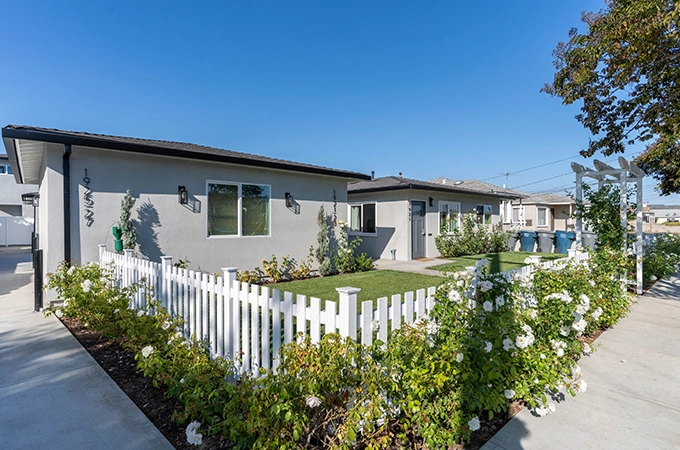
Alcohol addiction treatment at Clear Behavioral Health
We treat alcohol addiction through our alcohol detox, residential rehab, dual diagnosis, and outpatient addiction programs. All of our programs are in-network with most major insurance providers, making comprehensive, accessible care for alcohol recovery easier and more affordable.
Expert team
Experienced psychiatrists, therapists, and wellness professionals dedicated to your recovery.
Accredited excellence




Not sure which alcohol addiction treatment program is right for you?
Our clinical team will complete a comprehensive assessment of alcohol addiction symptoms and guide you to the most appropriate level of care for healing and emotional support.
Our treatment philosophy
At Clear Behavioral Health, we offer personalized addiction and mental health care across Los Angeles, through our detox, rehab, outpatient treatment, and dual diagnosis programs. We tailor your treatment plan to your specific needs and are here for you every step of your journey.

Supervised medical detox
Detox safely from alcohol, drugs, or other addictive substances under 24/7 supervision. FDA-approved medications ease withdrawal symptoms, reduce cravings, and ensure comfort during the typical 5–7 day detox.

Personalized treatment plan
Receive a tailored treatment plan from our expert team of clinicians, combining evidence-based therapies, medication management, and holistic care to support your mind, body, spirit, and lasting recovery.

Comprehensive levels of care
Recover through detox, residential rehab, or outpatient programs, including PHP (5 days/week) and IOP (3–5 days/week). Each program combines therapy, counseling, medication management, and holistic wellness to support every stage of healing.

Build coping & life skills
Learn strategies to manage stress, triggers, and cravings while developing emotional awareness, relapse prevention skills, and healthy ways to respond to challenges.

Holistic healing
Yoga, meditation, sound baths, and other holistic therapies restore mind-body balance and complement traditional addiction treatment.

Ongoing support & aftercare
Access outpatient PHP/IOP programs, sober living, therapy, psychiatry, and alumni support to maintain recovery and stay connected after inpatient treatment.

How to start
We’re ready to support you on your healing journey.
step
01
Connect with us
We’ll work together to figure out the best path forward, and even help you navigate your insurance.
We’ll make the process simple so you can focus on the important stuff.
step
02
Meet your care team
Get matched with a provider who fits your personality, needs, and goals.
We won’t stop until we find the right clinician for you or your loved one.
step
03
Start the journey
Take the courageous first step toward a healthier future.
We’ll provide compassionate care that fits with your schedule and your life.
Stories of hope & recovery
Hear real experiences from clients who found healing and hope.
Our other services
We provide mental health services for teens and adults, as well as substance use disorder treatment for adults across Los Angeles and California. Learn more about some of our featured services:

Mental health conditions we treat
No matter your mental health challenges, we’re here to help. Our expert team of psychiatrists and mental health practitioners conducts thorough clinical assessments to diagnose and treat a range of mental health conditions, including depressive disorders, anxiety disorders, mood disorders, and more.

Drug and alcohol addictions we treat
Our alcohol and drug detox and rehab programs feature a dedicated team of addiction specialists, drug and alcohol counselors, and board-certified psychiatrists providing comprehensive evaluations to diagnose and treat your addiction.
Frequently asked questions
Get answers to common questions about Alcohol addiction treatment
What is the first step to getting treatment for alcohol addiction?
The first step to seeking treatment for your alcohol addiction is admitting that you have a problem and need treatment. Our alcohol addiction treatment programs are in-network with most insurance providers. We can help you heal your addiction and the associated symptoms today.
What is the most common form of treatment for alcohol addiction?
Most alcohol addictions will react positively to rehab and alcohol detox services, therapy such as CBT or DBT, and medication support for withdrawal symptoms. We can help you gain sobriety and build life skills to get back to living your life. Give us a call today.
What is considered an alcoholic?
You will know you are an alcoholic when you feel an inability to stay away from alcohol. When you notice you are ignoring relationships or risk factors to drink, or experiencing physical symptoms such as shakiness, sweating, and irritability, you may be suffering from alcohol addiction.
Our clinical team can assess your symptoms to determine where you are in your alcohol addiction and what level of treatment would work best to help ease your symptoms. Give us a call today.
What is the difference between residential and outpatient alcohol treatment?
Residential (inpatient) treatment provides 24/7 structured care in a supportive environment, ideal for those with severe addiction or relapse history. Outpatient treatment allows individuals to live at home while attending scheduled therapy and support sessions, offering more flexibility for work or family commitments.
Does Clear Behavioral Health offer alcohol detox in Los Angeles?
Yes. We provide medically monitored alcohol detox in Los Angeles to help clients safely manage withdrawal symptoms before beginning therapy. Detox ensures your body stabilizes while preparing you for the next stage of treatment.
What happens during an Intensive Outpatient Program (IOP) for alcohol addiction?
An IOP typically involves attending therapy sessions multiple times a week for several hours per day. At Clear, our IOP includes group therapy, individual counseling, skill-building workshops, and relapse prevention—all while you continue living at home.
How long does alcohol addiction treatment take in Los Angeles?
The length of treatment varies depending on individual needs. Detox may take 5–7 days, while residential programs often last 30–60 days. Outpatient or virtual programs may continue for several weeks to several months. We create personalized plans based on your progress.
Is virtual alcohol addiction treatment effective?
Yes. While virtual programs can provide support, research shows that in-person treatment is generally more effective and safer for alcohol addiction. At Clear, receiving care on-site allows for close monitoring, immediate relapse prevention interventions, and connection with a supportive community, critical factors that help sustain long-term recovery.
What types of therapy are used in alcohol addiction treatment programs?
We use evidence-based approaches such as Cognitive Behavioral Therapy (CBT), Dialectical Behavior Therapy (DBT), Motivational Interviewing (MI), trauma-informed care, and holistic methods like mindfulness and yoga. These therapies address both the physical and psychological aspects of addiction.
Are medications used to help with alcohol cravings or withdrawal?
Yes. Medications like naltrexone, acamprosate, and disulfiram may be used to reduce cravings or prevent relapse. During detox, other medications may be prescribed to manage withdrawal symptoms safely.
Does Clear offer virtual alcohol addiction treatment in Los Angeles?
For alcohol addiction, in-person care is the most effective path to lasting recovery. Our IOP and outpatient programs in Los Angeles provide a safe, structured environment away from triggers, with close monitoring, relapse prevention, and a supportive community, everything you need to heal fully and thrive.
Take the first step toward healing
Contact us today for a free, confidential consultation.
 (877) 799-1985
 Message Us
Available 24/7
Our admissions team is ready to help anytime, day or night.
What to expect when you call
- Compassionate conversation about your situation.
- Free insurance verification and benefits check.
- Personalized treatment recommendations.
- Fast admission process (often same-day placement).
Our locations



Your next step is clear
There’s no need to keep wondering whether or when to take the next step. Our team is ready to help. Simply call us today at 877.799.1985 or request a consultation below.