

Find the Support You Need to Navigate PTSD
Post-Traumatic Stress Disorder (PTSD) is a mental health condition that is triggered when you experience a traumatic or terrifying event, characterized by long-lasting, debilitating symptoms that disrupt daily life and cause intense emotional and physical distress. PTSD is characterized by symptoms that persist for more than a month, often disrupting your ability to feel safe or present in your daily life, and can also emerge later when triggered. Common signs include recurring memories, flashbacks, nightmares, avoidance, persistent negative emotions, detachment, and hypervigilance.
At Clear Behavioral Health, we provide trauma-focused PTSD treatment, creating personalized plans to help you navigate triggers safely. Our structured approach supports recovery, empowers healing, and helps you reclaim peace and well-being.
We are in-network
We work with most major insurance providers to make quality treatment accessible.
Let us help you through the maze.
Accepted insurance providers














Don’t let cost be a barrier to recovery
We’ll review your insurance, answer your questions, and handle the administrative details for you.
How We Treat PTSD
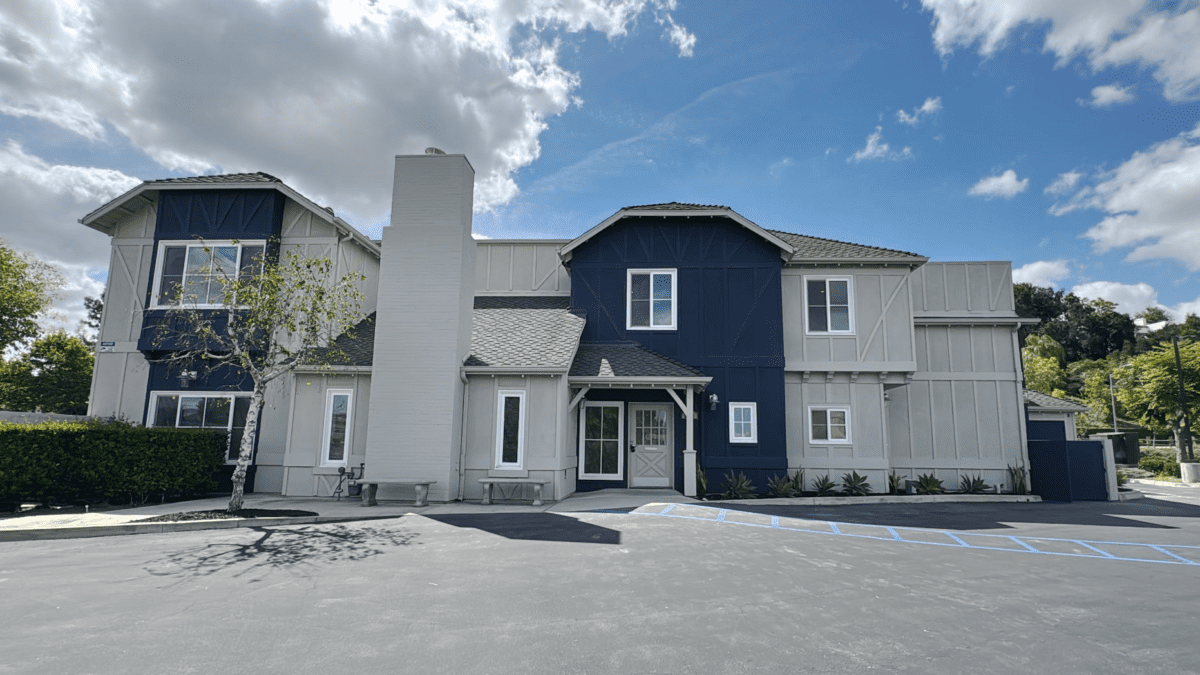
At Clear Behavioral Health, we offer personalized, in-network treatment plans to help you focus on healing and reclaiming peace of mind. Our residential and outpatient centers in Los Angeles and Redondo Beach, along with virtual programs across California, provide PTSD treatment and support for adults and teens.
For those needing more than weekly therapy but less than 24/7 hospitalization, our inpatient PTSD treatment program, Partial Hospitalization (PHP) and Intensive Outpatient Programs (IOP), offer structured, flexible care. Our programs include individual therapy, group sessions, and medication management with our holistic approach, helping clients build resilience and achieve lasting recovery.
Featured programs
Access premium, in-network care from anywhere in California. We combine clinical excellence with the comfort of a supportive environment, offering affordable treatment options both in-person and online.
Residential PTSD treatment
If you have severe or persistent PTSD, our residential program offers a 24/7 immersive environment designed for deep recovery.
Over an average 30-day stay, you can step away from the stressors of daily life into a secure, supportive setting. Intensive psychiatric oversight and structured daily programming work in tandem to foster emotional stability and lasting healing.
Comprehensive Clinical Services
Our multidisciplinary approach ensures that every facet of your PTSD treatment is integrated and evidence-based. We provide:
- Psychiatric evaluations and medication management.
- Individual and group therapy sessions.
- 24/7 supervision from a dedicated team of clinicians to ensure safety and emotional regulation.
- Daily restorative practices, including yoga, mindfulness, and creative expression, to bridge the gap between mind and body.

Intensive outpatient program (IOP)
If you need robust clinical support to navigate your daily life as a person with moderate to severe PTSD, our Intensive Outpatient Program (IOP) is the right choice.
Our IOP offers several hours of clinical engagement multiple days per week to reinforce stability and foster long-term recovery.
Services we provide
- Expert psychiatric evaluations and medication management.
- Focused individual and group therapy sessions utilizing evidence-based modalities like CBT, DBT, and trauma-informed care.
- Structured therapeutic programming multiple days per week.
- Psychoeducation and skill-building groups to help you understand the “why” of and “how” to manage PTSD.
- Personalized treatment plans with continuous monitoring.

Teen intensive outpatient program (IOP)
Our Teen IOP for PTSD provides a structured, after-school clinical environment for adolescents who require more support than traditional weekly therapy can offer.
Spanning over 90 days, this program is specifically designed to help you navigate your academic and social lives while healing from trauma in a safe, developmentally appropriate space.
Comprehensive Services for Teens
- Teen-Centric individual therapy
- Peer-supported group therapy, where teens build social and emotional skills.
- Integrated family therapy
- Psychiatric evaluation and medication management
- Academic coordination and case management
- Creative and holistic expression: Daily restorative practices including yoga, mindfulness, and art therapy

Virtual intensive outpatient program (virtual IOP)
Our Virtual IOP is the ideal solution for California residents who require robust clinical support while maintaining their work, school, or family commitments.
This program provides specialized PTSD treatment through a secure, high-definition platform, offering a structured path to recovery from the safety and privacy of your own home.
Program Structure & Duration
- Time Commitment: 3 hours per day, 3 days per week.
- Duration: Typically 8 to 12 weeks.
- Flexibility: Available in day or evening tracks to accommodate your schedule.
Virtual services & support
- Virtual group and individual therapy
- Weekly psychiatric oversight.
- Virtual family sessions allow your loved ones to participate in your healing process from any location.

Evening virtual intensive outpatient program (IOP)
Our Evening Virtual IOP is designed for adults who need structured, evidence-based care while maintaining their daytime commitments.
This program offers the clinical rigor of an intensive program with the convenience of an evening schedule, typically three evenings per week over several weeks.
Services we provide
We provide a full spectrum of PTSD treatment modalities, scheduled specifically to accommodate your work or academic life:
- One-on-one sessions with a dedicated clinician
- Virtual group counseling for building a supportive community of peers
- Psychiatric evaluation and medication management
- Evidence-based therapies, including CBT, DBT, and somatic approaches, to address both the mind and body’s response to trauma
- Integrated mind-body practices such as meditation, yoga, and experiential therapies
- Expert guidance and administrative support for medical leave and short-term disability paperwork
- Structured roadmap for continued growth and follow-up care

LGBTQIA+ virtual intensive outpatient program (IOP): Affirming & Specialized PTSD Treatment
For many in the LGBTQIA+ community, healing from trauma requires a space where your identity is not just respected, but understood as a core part of your wellness journey.
Our LGBTQIA+ Virtual IOP provides a specialized clinical environment for LGBTQIA+ individuals navigating PTSD and co-occurring mental health challenges. This program offers intensive, identity-affirming care delivered through a secure, private platform from the safety of your home.
Services we provide
- One-on-one sessions with clinicians who specialize in LGBTQIA+ mental health
- Facilitated virtual group therapy
- Evidence-based treatments, including CBT, DBT, and mindfulness-based care
- Targeted support for anxiety, depression, and hypervigilance
- Gender-affirming care letters for medical and surgical needs
- Psychiatric evaluation and medication management
- Expert guidance and administrative support for medical leave and short-term disability paperwork

Dual diagnosis program
When trauma and addiction coexist, they often fuel one another in a cycle that feels impossible to break. Our Dual Diagnosis Program provides a specialized, integrated approach for individuals navigating both PTSD and substance use disorders.
Rather than treating these conditions in isolation, we address the root causes and the complex interplay between symptoms to help you build a sustainable foundation for lasting recovery.
Services we provide
- Psychiatric evaluations and medication management
- Co-occurring group therapy
- Specialized addiction counseling
- Trauma-informed clinical care
- Robust discharge planning & aftercare


Comparison table for PTSD treatments – virtual IOP, inpatient, and outpatient PHP and IOP
| Feature | Inpatient PTSD Treatment | Outpatient PHP & IOP | Virtual IOP |
| Duration of program | 24/7 care, usually 1-4 weeks, depending on patient needs | PHP: Full day (5 days a week), IOP: 3-5 days per week | Typically 4-6 weeks, 3-5 days per week |
| Level of supervision | High, 24-hour care | Moderate, scheduled therapy with some autonomy | Moderate, with regular check-ins via video or phone |
| Treatment Level | Individuals with severe PTSD symptoms, safety concerns, or difficulty functioning independently | Teens and adults with moderate to severe PTSD | Adults with PTSD who need structured care with flexibility due to work, travel, or commute constraints |
| Therapeutic Modalities | CBT, DBT, psychodynamic therapy, and medication management | CBT, DBT, family therapy, and skill-building exercises | CBT, DBT, mindfulness, and peer support |
| Cost | Higher due to the residential setting and 24/7 care | Moderate, depending on the level of care and insurance | Often more affordable due to its virtual nature |
Understanding PTSD
PTSD is more than occasional nightmares or feeling shaken—it occurs when the brain repeatedly replays a stressful or traumatic event, keeping you stuck in the past. Left untreated, it can affect work, health, and relationships, making daily life feel overwhelming.
At work, PTSD may cause trouble focusing, missed deadlines, or zoning out as intrusive memories surface. Early recognition and treatment can help manage symptoms, restore balance, and support long-term recovery.
Types of PTSD

Normal stress response
You may experience a normal stress response to a one-time traumatic event. Your symptoms are often overcome quickly with no long-term effects. You may experience disassociation or isolation, or experience bad memories.

Acute stress disorder
A short-term, high-intensity reaction occurring within the first month following a traumatic event. Symptoms include panic attacks, hypervigilance, and difficulty navigating daily responsibilities.

Uncomplicated PTSD
PTSD that results from a single, specific traumatic event, like a car accident or a natural disaster, causing symptoms such as recurring flashbacks or avoidant tendencies.

Complex post -traumatic stress disorder (CPTSD)
CPTSD develops from prolonged, repeated, or chronic trauma, such as long-term domestic violence, childhood abuse, or captivity. It can also lead to the manifestation of borderline personality disorder.

Comorbid PTSD
This occurs when PTSD exists alongside other mental health conditions, such as depression, anxiety, or substance abuse.
Signs and symptoms of PTSD
- Intrusive thoughts and memories
- Having recurring flashbacks or intrusive memories
- Having nightmares about the traumatic experience
- Cognitive and memory issues, difficulty remembering the traumatic event
- Emotional changes
- Extreme irritability or mood impairment
- Feelings of isolation
- Negative feelings about yourself, such as guilt, fear, or severe shame
- Physical reactions
- Feeling like you’re reliving the experience with physical symptoms such as increased heart rate, sweaty palms, or needing to jump out of your skin
- Reactivity symptoms such as being easily startled, feeling tense, or on guard
- Behavioral changes
- Avoidance behaviors
- Self harm or substance abuse behaviors

15+
Years
Experience

PTSD treatments at Clear Behavioral Health
At Clear Behavioral Health, we offer personalized treatment plans that are in-network with most insurance providers.
Expert team
Experienced psychiatrists, therapists, and wellness professionals dedicated to your recovery.
Accredited excellence



Not sure which PTSD treatment program is right for you?
Once you are admitted to Clear, our clinical experts conduct a comprehensive assessment of your PTSD symptoms, history, and current challenges to recommend the level of care best suited to your needs.
Our treatment philosophy
At Clear Behavioral Health, our treatment philosophy centers on personalized care that integrates therapy, medication, and support to foster long-term recovery and emotional well-being.

Psychotherapy
Psychotherapy offers a supportive space to explore thoughts, emotions, and behaviors. As part of psychotherapy, Cognitive Behavioral Therapy (CBT) focuses on identifying and changing negative thought patterns to improve mood and behavior.

Medications
Medications, including antidepressants and other neuropsychiatric medications, can help stabilize mood, reduce symptoms, and complement therapy for comprehensive mental health care.

Holistic groups
Yoga, meditation, sound baths, and other holistic therapies are practiced daily to restore balance between your mind and body.

Community and peer support
A supportive environment that fosters connection through group therapy, shared understanding, and encouragement throughout the recovery process.

Skill building
Practical, evidence-based tools to help you manage symptoms, build resilience, and improve daily functioning.

Ongoing aftercare
A personalized plan for after you complete your treatment helps keep you connected and supported.

How to start
We’re ready to support you on your healing journey.
step
01
Connect with us
We’ll work together to figure out the best path forward, and even help you navigate your insurance.
We’ll make the process simple so you can focus on the important stuff.
step
02
Meet your care team
Get matched with a provider who fits your personality, needs, and goals.
We won’t stop until we find the right clinician for you or your loved one.
step
03
Start the journey
Take the courageous first step toward a healthier future.
We’ll provide compassionate care that fits with your schedule and your life.
Stories of hope & recovery
Hear real experiences from clients who found healing and hope.
Our other services
We provide mental health services for teens and adults, as well as substance use disorder treatment for adults across Los Angeles and California. Learn more about some of our featured services:

Mental health conditions we treat
No matter your mental health challenges, we’re here to help. Our expert team of psychiatrists and mental health practitioners conducts thorough clinical assessments to diagnose and treat a range of mental health conditions, including depressive disorders, anxiety disorders, mood disorders, and more.

Drug and alcohol addictions we treat
Our alcohol and drug detox and rehab programs feature a dedicated team of addiction specialists, drug and alcohol counselors, and board-certified psychiatrists providing comprehensive evaluations to diagnose and treat your addiction.
Frequently asked questions
Get answers to common questions about PTSD treatment.
How do I know if I have PTSD?
You’ll know when you have PTSD if you experience intense and recurring flashbacks of a traumatic event with associating physical symptoms. Some symptoms are not easily identifiable, but if you find you are unable to work, maintain relationships, or perform basic self-care such as brushing your teeth or showering, seeking help from a mental health professional is the next step to getting your life back.
What’s the best medication for PTSD?
The most common medications for PTSD are SSRIs such as Sertraline. Depending on the severity of your symptoms, your mental health professional will work with you to find the best treatment option and medication to ease the symptoms of your PTSD.
Can PTSD be treated alongside other mental health conditions?
Yes. PTSD often occurs with conditions like anxiety, depression, or substance use disorders. At Clear Behavioral Health, we provide integrated dual-diagnosis care, treating all conditions together so you can address the root causes, reduce symptoms more effectively, and experience long-term recovery.
Is therapy for PTSD confidential and safe?
Absolutely. Your safety and privacy are our top priorities. All PTSD sessions at Clear Behavioral Health follow strict confidentiality standards, and our clinicians create a supportive, trauma-informed space where you can share at your own pace. You are always in control of your treatment process.
How do I know if I need professional help for PTSD?
You may benefit from professional support if symptoms—such as intrusive memories, nightmares, avoidance, irritability, or difficulty feeling safe—begin to interfere with daily life, relationships, or work. If symptoms last longer than a month or feel overwhelming, it’s a strong sign to reach out for help. Clear Behavioral Health can provide a professional assessment and personalized treatment plan.
What treatments are most effective for PTSD?
Evidence-based treatments such as CBT, EMDR, exposure therapy, and group therapy are commonly used to reduce PTSD symptoms and support long-term recovery. Clear Behavioral Health combines these methods based on your unique needs.
How long does PTSD treatment take?
Treatment length varies by individual. Some people begin noticing improvement within weeks, while others benefit from longer term therapy. Your clinician will create a personalized plan tailored to your symptoms, goals, and medical history.
Can PTSD go away without treatment?
Some mild symptoms may lessen over time, but many people experience long term difficulties without professional support. Early treatment can significantly improve healing, reduce distress, and prevent symptoms from becoming chronic.
Do you offer medication for PTSD?
Yes. Our psychiatric team can prescribe and manage medications that help with anxiety, mood, sleep, and other symptoms. Medication can be used alone or alongside therapy for the best results.
What causes PTSD?
PTSD can develop after experiencing or witnessing traumatic events such as accidents, assault, childhood trauma, natural disasters, or ongoing emotional or physical harm. Not everyone who experiences trauma develops PTSD; genetics, support systems, and past experiences all play a role.
Can PTSD be cured?
While there is no single “cure,” many people experience significant and lasting recovery through trauma-focused therapy, neuromodulation, and holistic care. With the right support, symptoms can be managed or greatly reduced.
Do you offer support for families or partners?
Yes. We offer therapy and educational resources to help loved ones understand PTSD, learn healthy communication, and support the healing process.
Take the first step toward healing
Contact us today for a free, confidential consultation.
 (877) 799-1985
 Message Us
Available 24/7
Our admissions team is ready to help anytime, day or night.
What to expect when you call
- Compassionate conversation about your situation.
- Free insurance verification and benefits check.
- Personalized treatment recommendations.
- Fast admission process (often same-day placement).
Our locations












Your next step is clear
There’s no need to keep wondering whether or when to take the next step. Our team is ready to help. Simply call us today at 877.799.1985 or request a consultation below.