


Comprehensive grief disorder treatment in Los Angeles
Grief disorder can significantly disrupt everyday life, and like many serious mental health conditions, it can worsen over time if left untreated. At Clear Behavioral Health, we’re here to help. If someone you love is struggling with grief or another mental health condition, contact us today to schedule an appointment. Our team provides the support, resources, and individualized care needed to begin healing from trauma.
We are in-network
We work with most major insurance providers to make quality treatment accessible.
Let us help you through the maze.
Accepted insurance providers
















Don’t let cost be a barrier to recovery
We’ll review your insurance, answer your questions, and handle the administrative details for you.
What to expect with our grief disorder programs
Depending on your needs, your grief treatment may begin in our inpatient grief disorder treatment program, our Partial Hospitalization Program (PHP), or our Intensive Outpatient Program (IOP). These programs are designed for clients who need an elevated level of care above weekly therapy or are transitioning from a hospitalization level of care, offering structured support that meets your needs.
Our grief treatment programs include individual and group therapy, case management, holistic treatments, personalized assessments, and medication management when needed. This integrated approach supports sustainable mind-body wellness, and after completing treatment, you will join our alumni community for continued connection and support.
Featured programs
Our thoughtfully designed, in-network mental health and addiction programs are delivered affordably in a comfortable setting nearby or online across California.
Residential grief disorder treatment
Our residential program provides 24/7 immersive care for individuals with severe or persistent symptoms related to grief disorder.
With an average stay of 30 days, clients receive intensive psychiatric support, a safe and supportive environment, and structured daily programming to promote emotional healing and stability.
Services provided at Clear
- Psychiatric evaluations & medication management
- Individual and group therapy
- 24/7 clinical supervision
- Psychoeducation groups
- Holistic therapies (yoga, mindfulness, creative expression)

Intensive outpatient program (IOP)
Our Intensive Outpatient Program (IOP) provides structured, in-person grief disorder treatment for individuals who need consistent clinical support while maintaining daily responsibilities.
Designed for those experiencing moderate to severe grief symptoms, IOP offers multiple hours of care several days per week, combining evidence-based therapy and psychiatric oversight to support emotional recovery and long-term healing.
Services provided at Clear
- Psychiatric evaluations, medication management, and ongoing clinical oversight
- Individual and group therapy using evidence-based modalities (CBT, DBT, trauma-informed care)
- Structured therapeutic programming multiple days per week
- Psychoeducation and skill-building groups to support lasting progress
- Personalized treatment planning with continuous progress monitoring

Teen intensive outpatient program (IOP)
Our Teen IOP for grief disorder provides structured, supportive care for adolescents experiencing grief symptoms who need more than weekly therapy while continuing school and daily routines.
This after-school program typically spans 90+ days and focuses on building emotional regulation, coping skills, and healthy peer and family relationships in a safe, developmentally appropriate environment.
Services provided at Clear
- Individual therapy tailored to teen-specific challenges
- Group therapy focused on coping, social, and emotional skills
- Family therapy and multi-family groups
- Psychiatric evaluation and medication management, when appropriate
- Case management and coordination with schools and outside providers
- Holistic therapies, including mindfulness, CBT-based skills, yoga, and creative expression
- Parent support and education to strengthen family involvement and long-term progress

Virtual intensive outpatient program (virtual IOP)
Our Virtual Intensive Outpatient Program offers flexible, remote grief disorder treatment designed for clients who need consistent support while balancing work, school, or family responsibilities.
Treatment typically includes virtual therapy for three hours per day, three days per week, over eight to twelve weeks, helping clients manage grief symptoms while maintaining daily routines.
Services provided at Clear
- Online group & individual therapy
- Weekly psychiatric check-ins
- Flexible scheduling (day or evening tracks)
- Family involvement via virtual sessions
- Secure, HIPAA-compliant platform

Evening virtual intensive outpatient program (IOP)
Our Evening Virtual IOP for grief disorder provides structured, evidence-based mental health care for adults managing grief symptoms who need consistent support while maintaining work, school, or daytime responsibilities.
This program offers evening sessions in a secure, confidential setting, typically meeting three evenings per week over several weeks. Clients receive comprehensive care focused on emotional regulation, symptom management, and long-term stability without disrupting daily life.
Services provided at Clear
- Individual one-on-one therapy with a dedicated clinician
- Therapist-led virtual group counseling for peer connection and support
- Psychiatric evaluation and medication management, when clinically appropriate
- Evidence-based therapies, including CBT, DBT, and somatic approaches
- Holistic mind-body practices such as meditation, yoga, and experiential therapies
- Flexible evening scheduling to accommodate work or school commitments
- Structured aftercare planning and follow-up support
- Guidance with medical leave and short-term disability paperwork, when eligible

LGBTQIA+ virtual intensive outpatient program (IOP)
Our LGBTQIA+ Virtual IOP for grief disorder provides structured, affirming mental health care for individuals navigating grief and related mental health challenges in a safe, inclusive, and identity-affirming environment.
This program is designed for those who need more than weekly therapy while maintaining daily responsibilities. Treatment focuses on emotional resilience, identity-affirming care, and long-term mental wellness, all from the comfort and privacy of home.
Services provided at Clear
- Individual one-on-one therapy with LGBTQIA+-affirming clinicians
- Therapist-led virtual group therapy in a safe, validating space
- Evidence-based treatments, including CBT, DBT, and mindfulness-based care
- Trauma-informed and queer-affirming clinical approach
- Support for stress, anxiety, depression, identity-related challenges, and life transitions
- Gender-affirming care letters, when clinically appropriate
- Psychiatric evaluation and medication management, as needed
- Guidance with medical leave and short-term disability paperwork, when eligible

Dual diagnosis program
Our Dual Diagnosis Program for grief disorder is designed for individuals navigating substance use disorders in addition to grief disorder.
Through integrated, whole-person care that combines clinical therapy and psychiatric support, we help clients address the root causes and intermingled symptoms of both conditions, building a path to lasting recovery.
Services provided at Clear
- Psychiatric evaluations and medication management, as needed
- Co-occurring group therapy
- Addiction counseling
- Trauma-informed care
- Discharge & aftercare planning


Comparison table for grief disorder treatments – inpatient, outpatient PHP and IOP, and virtual IOP
| Feature | Inpatient grief disorder treatment | Outpatient PHP & IOP | Virtual IOP |
| Duration of program | 24/7 care, usually 1-4 weeks, depending on needs | PHP: Full day (5 days a week), IOP: 3-5 days per week | Typically 4-6 weeks, 3-5 days per week |
| Level of supervision | High, 24-hour care and supervision | Moderate, scheduled therapy with some autonomy | Moderate, with regular check-ins via video or phone |
| Treatment level | Individuals with severe grief symptoms, emotional instability, or difficulty functioning independently | Teens and adults with moderate to severe grief who need more support than weekly therapy | Adults experiencing grief who need structured care with flexibility due to work, distance, or transportation |
| Therapeutic modalities | CBT, DBT, psychodynamic therapy, and medication management | CBT, DBT, family therapy, and skill-building exercises | CBT, DBT, mindfulness, and peer support |
What is grief disorder?
Grief disorder, also called prolonged or complicated grief, occurs when normal grief persists and interferes with daily life. Unlike typical mourning, it can cause intense emotional pain, difficulty functioning, and long-lasting mental health challenges. Early treatment improves outcomes and helps restore balance.
Types of grief disorders

Normal grief
Short-term, natural response to loss that gradually eases.

Complicated grief
Persistent, severe grief that disrupts daily life and relationships.

Prolonged grief disorder
Intense grief lasting longer than six months, often accompanied by anxiety or depression.

Bereavement-related PTSD
When grief is compounded by trauma, leading to intrusive memories or avoidance behaviors.
Signs and symptoms of bereavement disorder
Recognizing signs of bereavement disorder early can help you get support before symptoms worsen. Common symptoms include:
- Persistent sadness, longing, or emotional numbness.
- Difficulty sleeping or eating.
- Avoidance of reminders of the loss.
- Anxiety, irritability, or anger.
- Trouble concentrating or performing daily tasks.
- Physical symptoms like fatigue, headaches, or stomach issues.

15+
Years
Experience

Grief disorder treatment at Clear Behavioral Health
At Clear Behavioral Health in Los Angeles, our grief disorder programs help individuals create healing from grief and trauma. Our structured programs stand on a full continuum of care, helping you acclimate back to the real world with structure.
Expert team
Experienced psychiatrists, therapists, and wellness professionals dedicated to your recovery.
Accredited excellence




Not sure which grief treatment program is right for you?
Our clinical team will complete a comprehensive assessment of grief-related symptoms and guide you to the most appropriate level of care for healing and emotional support.
Our treatment philosophy
At Clear Behavioral Health, our treatment philosophy centers on personalized care that integrates therapy, medication, and support to foster long-term recovery and emotional well-being.

Psychotherapy
Therapy helps individuals process their grief, manage overwhelming emotions, and develop healthy coping mechanisms. It also provides a safe space to explore feelings of loss and promote emotional healing.

Cognitive behavioral therapy (CBT)
CBT is an evidence-based therapy that helps individuals identify and challenge negative thought patterns associated with grief, providing practical strategies to process emotions and adjust to life after loss.

Exposure therapy
A key technique in CBT, exposure therapy helps individuals gradually confront situations or reminders of their loss, reducing avoidance behaviors and helping them gain control over their grief-related anxiety.

Complicated grief therapy (CGT)
CGT is a specialized therapy designed for those struggling with prolonged or intense grief. It focuses on helping individuals process their emotions, accept their loss, and find ways to reconnect with life while honoring their loved one.

Medication
Medications, such as antidepressants or anti-anxiety medications, may be prescribed to help manage the emotional distress, anxiety, and depression that can occur during complicated grief, supporting the individual as they work through their loss in therapy.

How to start
We’re ready to support you on your healing journey.
step
01
Connect with us
We’ll work together to figure out the best path forward, and even help you navigate your insurance.
We’ll make the process simple so you can focus on the important stuff.
step
02
Meet your care team
Get matched with a provider who fits your personality, needs, and goals.
We won’t stop until we find the right clinician for you or your loved one.
step
03
Start the journey
Take the courageous first step toward a healthier future.
We’ll provide compassionate care that fits with your schedule and your life.
Stories of hope & recovery
Hear real experiences from clients who found healing and hope.
Our other services
We provide mental health services for teens and adults, as well as substance use disorder treatment for adults across Los Angeles and California. Learn more about some of our featured services:

Mental health conditions we treat
No matter your mental health challenges, we’re here to help. Our expert team of psychiatrists and mental health practitioners conducts thorough clinical assessments to diagnose and treat a range of mental health conditions, including depressive disorders, anxiety disorders, mood disorders, and more.

Drug and alcohol addictions we treat
Our alcohol and drug detox and rehab programs feature a dedicated team of addiction specialists, drug and alcohol counselors, and board-certified psychiatrists providing comprehensive evaluations to diagnose and treat your addiction.
Frequently asked questions
Get answers to common questions about grief disorder treatment.
Can grief treatment at Clear Behavioral Health be done virtually, or must I attend in person?
We offer both in-person and virtual therapy options, allowing you to choose the setting that feels most comfortable and accessible for your healing.
Will my treatment for grief or bereavement disorder address related issues like anxiety, depression, or trauma?
Yes. Our clinicians take an integrated approach that treats grief alongside co-occurring conditions such as anxiety, depression, PTSD, or trauma-related symptoms.
Does insurance cover treatment for prolonged grief or bereavement disorder at Clear Behavioral Health?
Most major insurance plans include mental health coverage for grief related conditions. Our team can verify your benefits and help you understand what your plan covers before starting treatment.
How do I start the treatment process for grief disorder at Clear Behavioral Health?
Simply contact our admissions or scheduling team to complete an initial assessment. We’ll help you determine the right level of care and build a personalized treatment plan that fits your needs.
Take the first step toward healing
Contact us today for a free, confidential consultation.
 (877) 799-1985
 Message Us
Available 24/7
Our admissions team is ready to help anytime, day or night.
What to expect when you call
- Compassionate conversation about your situation.
- Free insurance verification and benefits check.
- Personalized treatment recommendations.
- Fast admission process (often same-day placement).
Our locations
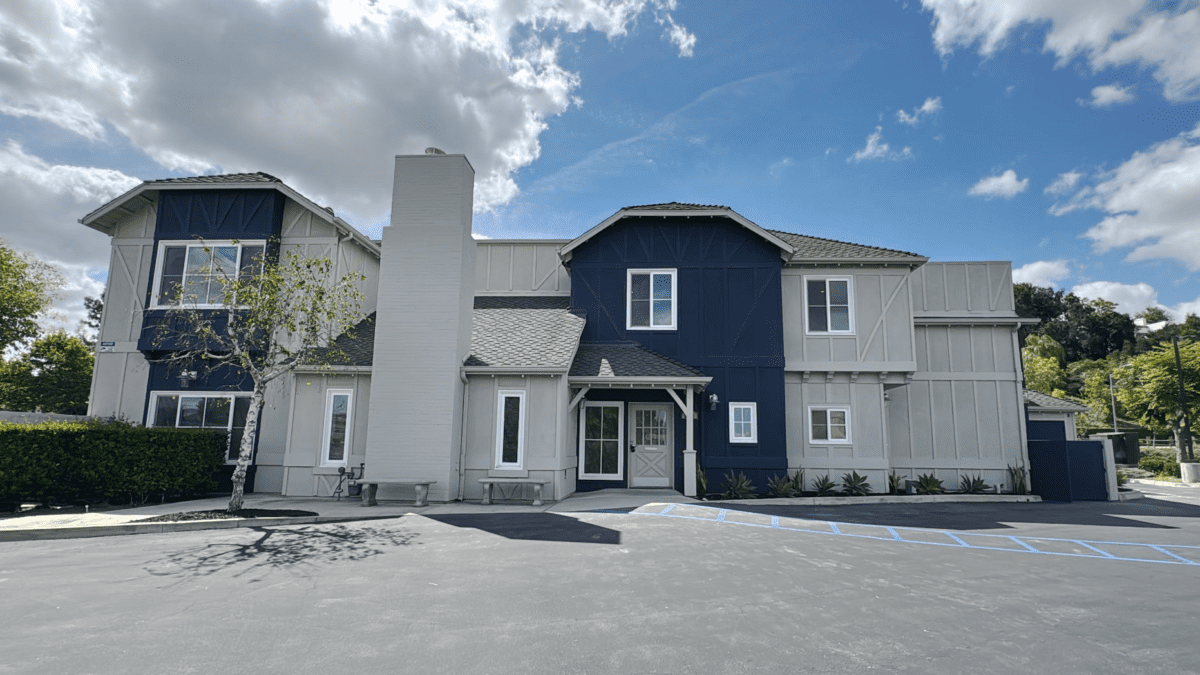








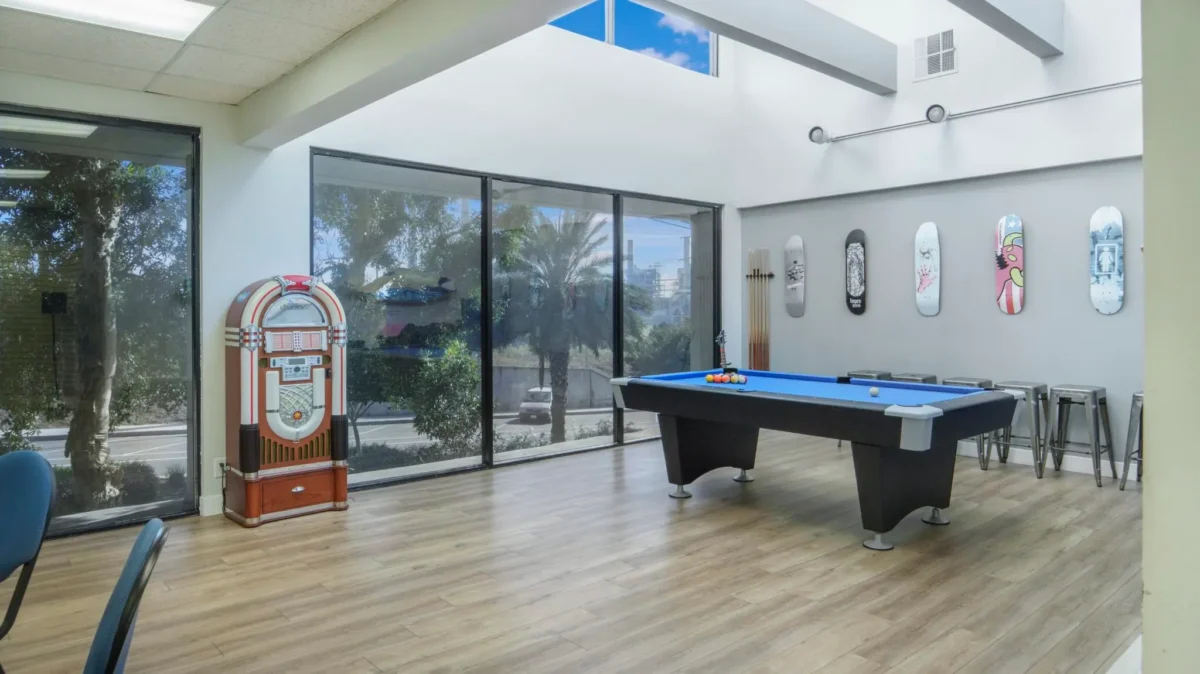


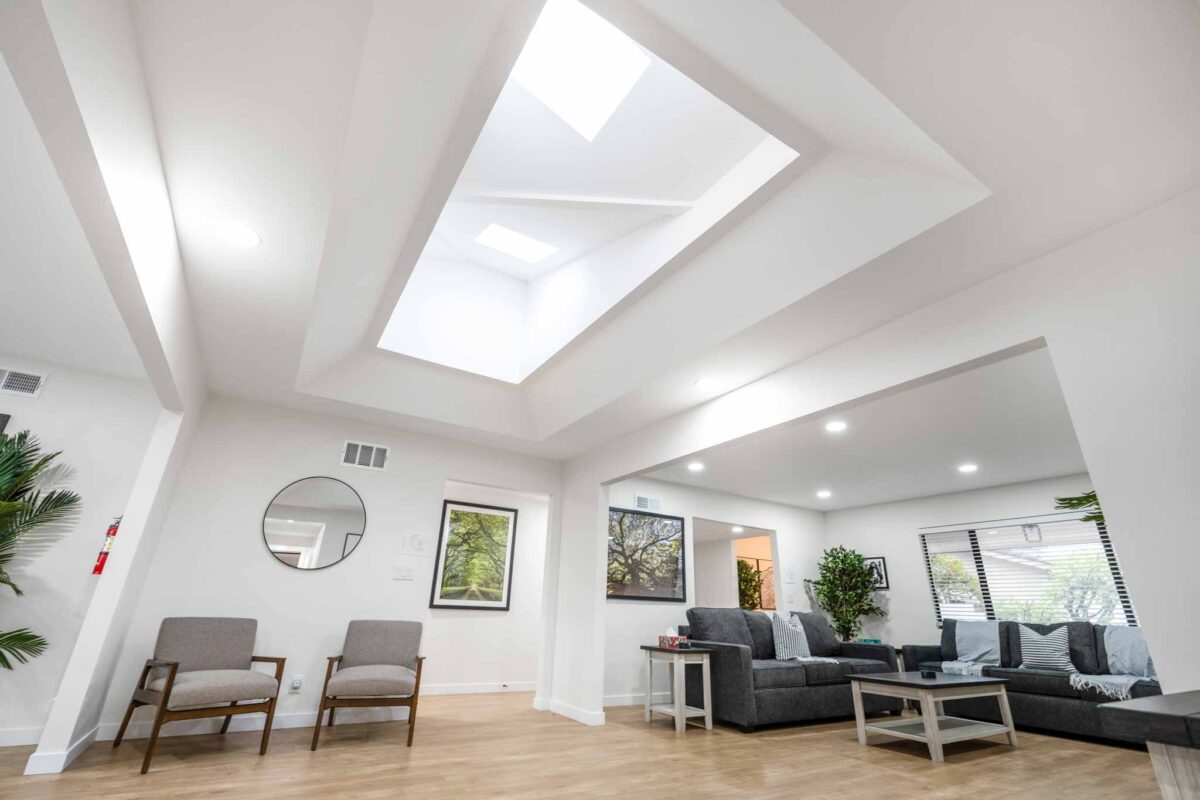



Your next step is clear
There’s no need to keep wondering whether or when to take the next step. Our team is ready to help. Simply call us today at 877.799.1985 or request a consultation below.