
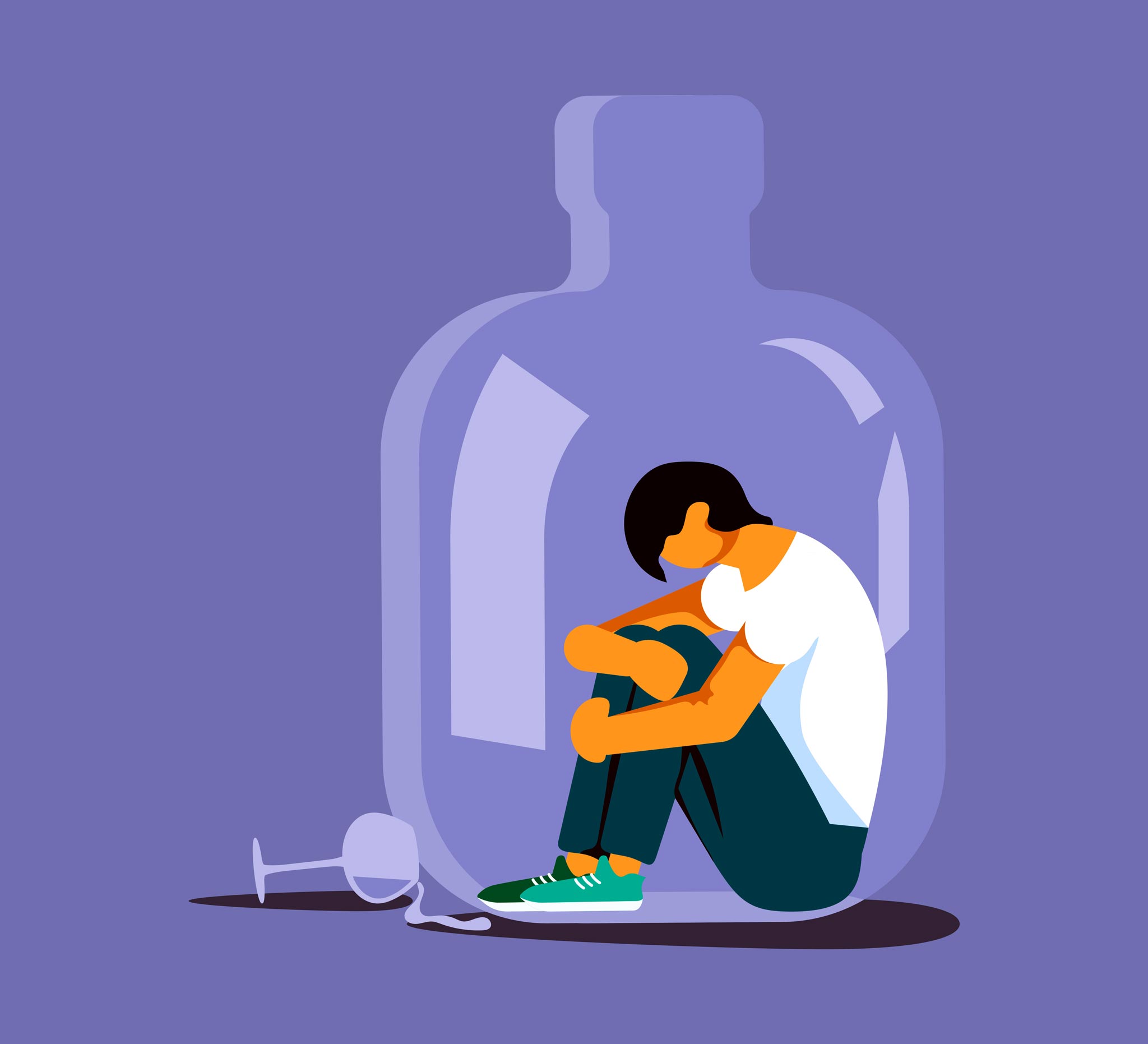
Binge drinking is a serious public health issue, as it can lead to a range of immediate and long-term health risks. Binge drinking can look like consuming five or more drinks within about two hours or drinking in a way that raises your blood alcohol content to .08% or above.
Some are unaware, but this pattern of behavior can cause serious long-term health risks. For instance, binge drinking increases the chances of accidents, injuries, and alcohol poisoning. Continuous binge drinking also raises the chance of developing a chronic health condition, which can include liver disease, heart problems, and mental health disorders like anxiety and depression.
In addition to the health risks, binge drinking alcohol affects not only the person with alcohol addiction but also others around them. It can contribute to poor work performance, relationship issues, and cause a general financial burden. The reality is, binge drinking goes beyond personal health—it impacts the individual, the family, the employer, and friendships.
Call now for trusted support to help you stop drinking
Binge drinking in different age groups
Binge drinking is more common than people realize. Understanding how different age groups are affected can be beneficial:
- Just over 26% of young adults ages 18-25 engage in binge drinking [1]. Many use it as a social activity and find it very common amongst their peers. Young adults disregard the risk of accidents, unsafe behavior, and long-term health problems when engaging in a social binge drinking party.
- Approximately 25% of adults ages 25-44 report binge drinking [2]. Some of them shared that it was due to work stress, family obligations, adult responsibilities, and social groups.
- While the binge drinking rate drops to around 14%, the risks are far more significant for those who are 45 years and up [2]. If you’re in this age group, keep in mind that binge drinking can exacerbate age-related health conditions, like heart disease and diabetes, and affect your overall quality of life.
- Although binge drinking is less common among teens, it can have significant negative effects on the developing brain. Nearly 10% of high school seniors report engaging in binge drinking [3]. This behavior can interfere with brain development and raise the risk of developing substance use disorders later in life.
What is binge drinking?
Binge drinking is defined as drinking an excessive amount of alcohol within a short period of time, typically five or more drinks for men, or four or more drinks for women, within about two hours. This rapid alcohol consumption leads to a rise in blood alcohol concentration (BAC) and impairs cognitive and motor functions. If you engage in binge drinking, you’re at immediate risk for both physical harm and long-term health consequences [1].
Related: Why Do People Drink Alcohol?
The difference between men and women in terms of drinking patterns
Men and women metabolize alcohol differently. Men typically have a higher percentage of water in their bodies, which helps dilute alcohol. Women, on the other hand, tend to experience higher BACs than men, even if they drink the same amount. If you are a woman, recognize that binge drinking may have more intense and quicker effects on your body due to these biological differences [4].
Common misconceptions about binge drinking
Many people believe binge drinking is only harmful if it happens frequently. Even one episode of binge drinking or excessive alcohol consumption can result in serious health issues, such as alcohol poisoning and impaired judgment.
Another common misconception is that binge drinking is only problematic when it leads to blackouts. Binge drinking can lead to long-term health consequences, including liver damage and heart disease, even if blackouts don’t occur [5].
Is binge drinking the same as alcohol use disorder?
Binge drinking refers to episodes of heavy drinking, whereas alcohol use disorder (AUD) is a chronic condition where you are unable to control alcohol use and experience negative consequences. If you binge drink occasionally, it doesn’t necessarily mean you have AUD, but frequent binge drinking can increase your risk of developing it over time [6].
Frequent binge drinking can lead to increased tolerance, where your body requires more alcohol to achieve the same effects. Over time, this can result in dependence, where you need alcohol to function. If you’re binge drinking regularly, you may also experience withdrawal symptoms when you stop, a clear sign that alcohol dependence is developing.
Related: Everything You Need to Know About Alcoholism and Alcohol Use Disorder
Is it bad to binge drink once a week?
Binge drinking once a week may seem manageable, but research indicates that even this frequency can lead to damage over time [7]. Regular binge drinking, even once a week, increases the risk of developing physical and mental health problems. If you binge drink weekly, it’s important to consider the long-term consequences.
Physical health impacts
- Alcohol poisoning
- Injuries and accidents while inebriated
- Blackouts and memory loss
- Liver damage and liver disease
- Cardiovascular problems
- Brain function impairment
- Weakened immune system
Related: What Alcohol Does to Your Brain
Mental health effects
- Impact on cognitive function: Binge drinking negatively affects cognitive function, impairing memory, concentration, and decision-making abilities. Long-term binge drinking can lead to permanent cognitive deficits, which affect work and social functioning [8].
- Connection to anxiety and depression: Binge drinking is strongly linked to anxiety and depression. While alcohol may offer short-term relief from stress, it ultimately worsens mental health issues. If you binge drink regularly, your mental health can suffer, leading to a vicious cycle of drinking and emotional distress [9,10].
- Effects on emotional regulation: Alcohol impairs emotional regulation, which can lead to mood swings, aggression, and difficulty managing stress. These emotional disruptions affect your relationships and overall emotional well-being [11].
- Social and behavioral changes: Binge drinking can lead to changes in behavior and social functioning. You may become more isolated, engage in risky behaviors, or experience conflict with friends and family.
- Sleep disturbances and their consequences: Alcohol disrupts your sleep cycle, leading to poor quality sleep. Chronic sleep disturbances can worsen mental health issues, impair cognitive function, and affect your overall quality of life [12,13].
Related: The Relationship Between Alcohol and Depression
The path to alcohol dependence
Frequent binge drinking leads to tolerance, where you need more alcohol to feel the same effects. Over time, this increases your overall alcohol intake, leading to a higher risk of physical dependence and addiction.
Development of physical dependence
As you continue binge drinking, your body becomes physically dependent on alcohol. This means you may experience withdrawal symptoms when you stop drinking, including anxiety, shakes, and nausea. These symptoms signal that your body has become accustomed to alcohol and relies on it to function.
Related: What is Physiological Dependence?
Psychological addiction factors
In addition to physical dependence, binge drinking alcohol can create psychological addiction. You may develop drinking habits to cope with stress, anxiety, problems at work, relationship troubles, sleep disturbances, or other personal issues.
While it may help with these struggles in the moment, reliance on alcohol can magnify your struggles over time. There is also a risk of consistent alcohol misuse, which can backfire and create more issues.
Treatment options for binge drinking disorder
If you are considering treatment for substance abuse, begin by seeking a professional assessment. Medical evaluation is crucial to identify the extent of your condition, any co-occurring mental health issues, and your overall health. Based on the assessment, healthcare professionals can recommend the most appropriate level of care for your situation, whether inpatient or outpatient treatment is more suitable.
Medical detoxification
If you need to undergo alcohol detox, choose a supervised medical detox program. Detox helps clear alcohol from your system in a safe and controlled manner. With medical detox, healthcare professionals can monitor and manage any withdrawal symptoms you experience, reducing the risk of complications.
The length of alcohol detox varies depending on the substance you were using and how long you’ve been using it, but the process generally takes several days to a couple of weeks. Continuous medical support ensures you remain stable and comfortable throughout the detox period.
Related: How Long Does It Take To Detox From Alcohol? Stages and Timeline
Inpatient and outpatient treatment programs
Once detox is complete, consider your next steps in treatment. Inpatient rehabilitation programs offer 24/7 care, allowing you to focus entirely on your recovery without distractions from the outside world. If inpatient care isn’t necessary for you, outpatient addiction treatment programs such as Partial Hospitalization Programs (PHP) or Intensive Outpatient Programs (IOP) offer flexibility, allowing you to live at home while attending treatment during the day or evening.
Related: From Detox to Aftercare: The Full Journey of Drug Rehab
Therapeutic approaches
To help you recover fully from drug and alcohol dependence, treatment often includes a variety of therapeutic approaches, including:
- Individual therapy – Provides a private setting to explore thoughts, emotions, and triggers with a trained therapist.
- Group therapy – Fosters a sense of community and allows you to learn from others’ experiences.
- Cognitive Behavioral Therapy (CBT) – Teaches you to identify and change negative thought patterns and behaviors that contribute to substance use.
- Family therapy – Supports repairing relationships and ensures a nurturing home environment during recovery.
- Relapse prevention planning – Helps you recognize high-risk situations, develop coping strategies, and create a personalized plan to maintain long-term sobriety.
- Experiential therapies – Includes activities like mindfulness, art therapy, yoga, or meditation to build coping skills, reduce stress, and support emotional healing.
- Medication-assisted treatment (if applicable) – Supports recovery by reducing cravings or withdrawal symptoms under medical supervision.
Recovery and support
Building a solid support network is critical to maintaining your recovery. Surround yourself with people who understand your journey and can offer emotional support. During treatment, you will also focus on lifestyle changes, such as healthier routines and stress management techniques, which play an essential role in long-term sobriety.
Developing relapse prevention strategies, like identifying triggers and creating coping mechanisms, is vital. After completing formal treatment, be sure to continue maintenance programs and aftercare to stay on track. Engaging with support groups and utilizing community resources can offer ongoing encouragement and help you stay connected with others in recovery.
Related: Aftercare in Substance Abuse Treatment: What it is and How it Helps
Success in recovery
Achieving long-term success in recovery is possible with the right tools. By committing to ongoing therapy, making lifestyle adjustments, and leaning on your support network, you will greatly increase your chances of staying sober.
Developing a relapse prevention plan and consistently using healthy coping strategies will help you manage challenges that arise. Remember that success isn’t just about avoiding relapse—it’s also about building a fulfilling, sober life.
Recovery from alcohol addiction is possible with expert treatment
Overcome binge drinking today
Recovery involves multiple stages, and a variety of treatment options are designed to help you heal both physically and emotionally. Start with a professional assessment to guide your next steps in treatment, followed by medical detoxification if necessary.
During alcohol addiction treatment at Clear Behavioral Health, we utilize various therapeutic approaches such as individual counseling, group therapy, and CBT to address underlying issues. Building a solid support network and maintaining lifestyle changes are essential for success. With ongoing commitment, you can achieve long-term sobriety and reclaim a healthier, more fulfilling life. Give us a call to learn about our alcohol detox and rehab programs in Los Angeles today.
References
- Alcohol and young adults ages 18 to 25 | National Institute on Alcohol Abuse and Alcoholism (NIAAA). (n.d.). https://www.niaaa.nih.gov/alcohols-effects-health/alcohol-topics-z/alcohol-facts-and-statistics/alcohol-and-young-adults-ages-18-25
- USAFacts. (2023, August 4). How much do Americans binge drink? USAFacts. https://usafacts.org/articles/how-much-do-americans-binge-drink/
- Miech, R. A., Johnston, L. D., Patrick, M. E., O’Malley, P. M., & University of Michigan. (2025). Monitoring the Future national survey results on drug use, 1975–2024: Overview and detailed results for secondary school students. Institute for Social Research, University of Michigan. https://monitoringthefuture.org/wp-content/uploads/2024/12/mtf2025.pdf
- Understanding the dangers of alcohol overdose | National Institute on Alcohol Abuse and Alcoholism (NIAAA). (n.d.). https://www.niaaa.nih.gov/alcohol-poisoning
- Alcohol’s effects on the body | National Institute on Alcohol Abuse and Alcoholism (NIAAA). (n.d.). https://www.niaaa.nih.gov/alcohols-effects-health/alcohols-effects-body
- LMSW, S. M. (2025, July 31). Problem drinking vs. alcoholism – whats the difference? Alcohol.org. https://alcohol.org/alcoholism/or-is-it-just-a-problem/
- Holahan, C. J., Holahan, C. K., & Moos, R. H. (2022). Binge drinking and alcohol problems among moderate Average-Level drinkers. American Journal of Preventive Medicine, 63(3), 324–330. https://doi.org/10.1016/j.amepre.2022.03.021
- Alcohol and the Brain: An overview | National Institute on Alcohol Abuse and Alcoholism (NIAAA). (n.d.). https://www.niaaa.nih.gov/publications/alcohol-and-brain-overview
- Mental health issues: Alcohol use disorder and common co-occurring conditions | National Institute on Alcohol Abuse and Alcoholism (NIAAA). (2025, May 8). https://www.niaaa.nih.gov/health-professionals-communities/core-resource-on-alcohol/mental-health-issues-alcohol-use-disorder-and-common-co-occurring-conditions
- Holguín, S. R., Folgueira-Ares, R., Crego, A., López-Caneda, E., Corral, M., Cadaveira, F., & Doallo, S. (2023). Neurocognitive effects of binge drinking on verbal episodic memory. An ERP study in university students. Frontiers in Pharmacology, 14, 1034248. https://doi.org/10.3389/fphar.2023.1034248
- Castelli, V., Plescia, F., Maniaci, G., Lavanco, G., Pizzolanti, G., Brancato, A., & Cannizzaro, C. (2022). Alcohol binge drinking in adolescence and psychological profile: Can the preclinical model crack the chicken-or-egg question? Frontiers in Psychiatry, 13, 996965. https://doi.org/10.3389/fpsyt.2022.996965
- Helaakoski, V., Kaprio, J., Hublin, C., Ollila, H. M., & Latvala, A. (2022). Alcohol use and poor sleep quality: a longitudinal twin study across 36 years. SLEEP Advances, 3(1), zpac023. https://doi.org/10.1093/sleepadvances/zpac023
- Bryan, L., & Bryan, L. (2025, October 23). Alcohol and sleep. Sleep Foundation. https://www.sleepfoundation.org/nutrition/alcohol-and-sleep