
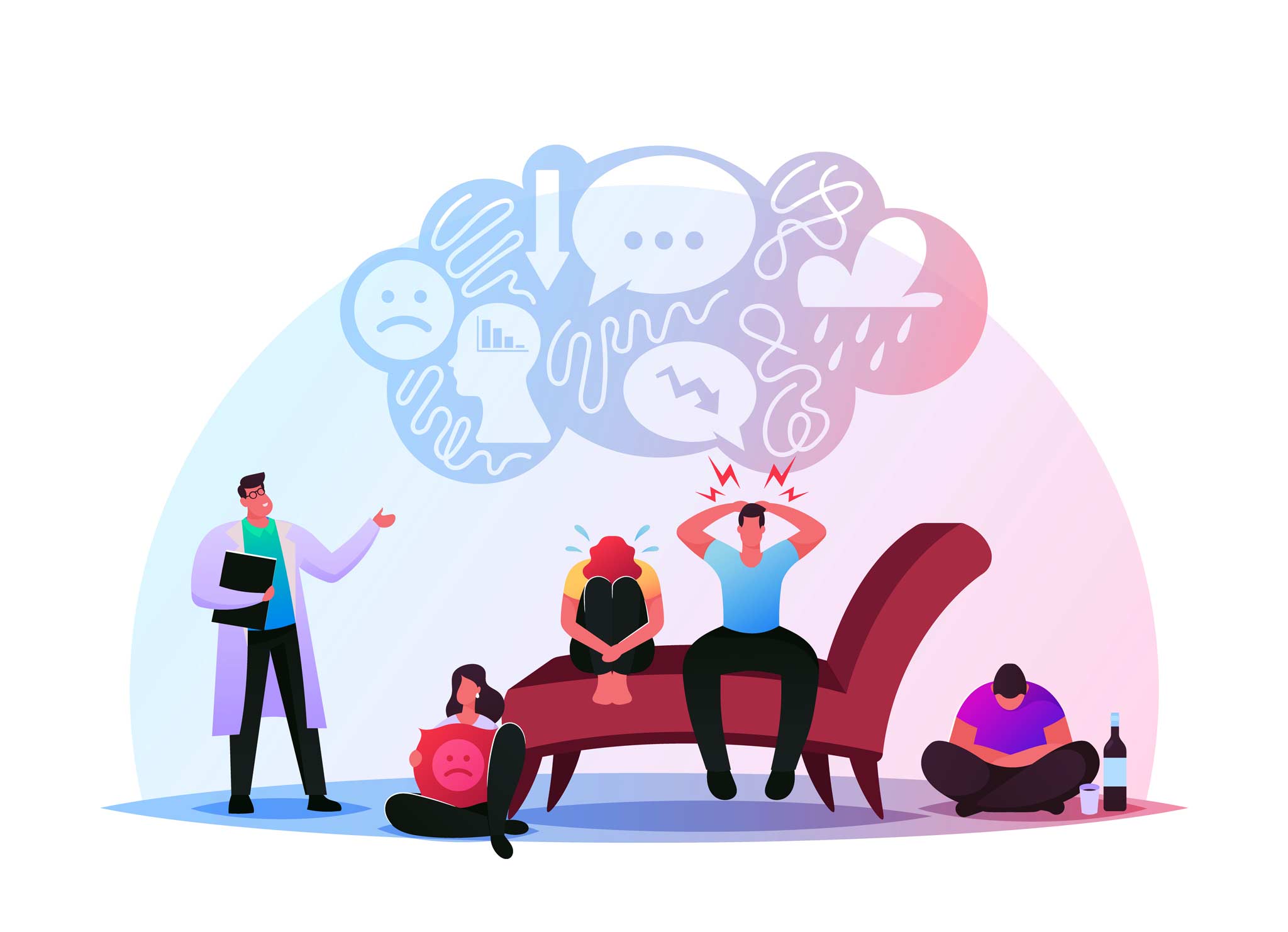
Stress seems to come from every direction these days, between work, relationships, constant notifications, and the pressure to keep up. For many people, that ongoing tension can turn into anxiety.
In moments like these, having a drink might feel like a quick way to relax or quiet the noise. But using alcohol to cope with anxiety can quickly lead to dependence and worsen anxiety over time. At Clear Behavioral Health, we can help you break this cycle by building healthier ways to manage anxiety and your emotional well-being.
The complex relationship between alcohol and anxiety
When alcohol is first consumed, you might initially feel reduced anxiety, but once the alcohol leaves your system, you can experience a rebound of anxious feelings. This means your anxiety will heighten, sometimes even worse than the anxiety you experienced beforehand.
This cycle worsens the more you chronically use alcohol, which completely disrupts the natural anxiety regulation your body maintains. As time goes on, your alcohol tolerance may increase, which means increased consumption and even harsher anxiety rebounds. Eventually, this creates a cycle that is difficult to break.
Heal your mind and body with trusted alcohol and anxiety treatment programs today
Does drinking alcohol cause anxiety?
Drinking can contribute to anxious feelings arising or worsening. There is even alcohol-induced anxiety disorder for some, which is classified as a clinical disorder. As your body begins to adjust to no longer having alcohol, you can experience alcohol withdrawal symptoms, especially if your body has built up an alcohol dependence. Some withdrawal-related anxiety symptoms are [1,4]:
- Shakiness
- Sleep changes
- Changes in mood
- Fatigue
- Headache
- Heart palpitations
- Increased blood pressure
- Nausea
- Hallucinations
Why do I feel weird 2 days after drinking?
As you consume alcohol, your anxiety decreases, then the morning after the alcohol has left your system, the anxiety peaks. Following the last drink, anxiety can linger for up to 48 hours [2,4]. During this time, depression or anxiety symptoms can arise, such as guilt, shame, self-deprecation, disrupted sleep, restlessness, and dehydration. This becomes a problem when it’s frequent due to consistent heavy drinking, and when drinking alcohol affects your daily life, physical health, and overall mental health.
The vicious cycle
Life is full of stressful situations and unexpected curveballs, which can create a lot of anxiety. Finding ways to cope with these emotions can lead to unhealthy coping strategies, like drinking alcohol.
It brings temporary relief to generalized anxiety disorder, social anxiety, or other anxiety disorders, which makes it an easy, yet unhealthy coping strategy every time you feel anxious [3].
Increased alcohol consumption and heightened anxiety
When you drink to cope with anxiety, it doesn’t make the anxiety disappear; it only delays it until you’re sober. Once the effects of alcohol wear off, those anxious feelings often return even stronger. This experience, known as “hangxiety,” refers to the heightened anxiety that can occur during a hangover. To manage this distress, some people drink again to take the edge off, creating a harmful cycle of drinking to cope with anxiety and feeling more anxious because of drinking.
Some even reach for a drink first thing in the morning to ease their hangover and anxiety symptoms, referred to as the “hair of the dog”, a behavior often normalized by social habits like brunch mimosas or Bloody Marys.
This vicious cycle of using alcohol to dull uncomfortable emotions, while alcohol itself intensifies those emotions, can quickly contribute to worsening mental health and substance abuse issues. As alcohol use becomes more frequent and anxiety spirals grow more intense, both areas deteriorate in tandem. The ongoing cycle can lead to strained relationships, job or academic decline, and a significant drop in emotional well-being.
Ultimately, instead of easing anxiety, alcohol amplifies both psychological distress and physical symptoms [5].
Related: What is Hangxiety—and How Can I Get Help?
Alcohol and anxiety in teens: unique risks and challenges
As a teen is developing, they might be more vulnerable to turning to drinking as a coping skill, especially due to their developing brain, so the concept of slight relief is more addictive. The social pressures a teen faces, like body transformation, identity, gender, academic stress, and familial stress, all contribute to feelings of anxiety.
This is why early intervention is key, so young people can gain constructive coping tools and avoid leaning on alcohol to alleviate their symptoms temporarily. Clear Behavioral Health has a comprehensive, compassionate program for teens struggling with mental disorders that provides therapeutic tools and includes family therapy along with holistic modalities. This offers a well-rounded treatment approach to your mental health recovery.
Effective coping strategies for anxiety
As you enter our treatment program, you’ll learn many healthy coping skills that can help alleviate anxiety symptoms when they arise. Grounding techniques, like the 3-3-3 rule for anxiety, can help you refocus on your surroundings instead of the anxiety in your mind and body. There are other methods, like breathing exercises, that can help calm your nervous system in stressful moments. Lifestyle changes like consistent exercise, proper sleep, and nutrition can help with coping with anxiety as well.
Will quitting alcohol help my anxiety?
When you use alcohol as a coping mechanism for your anxiety, and you decide to quit, most people normally see improvement in their anxiety symptoms within three weeks. The initial three weeks can be tough, since anxiety will rise due to you falling out of the pattern of calming your anxiety with alcohol, but once you push past that time, you’ll notice your anxiety decreasing.
Your body is regulating anxious feelings and getting used to a new normal of not having alcohol disrupting your nervous system regulation [4]. Professional support can help during this transition, since quitting alcohol can result in severe alcohol withdrawal symptoms that can be fatal.
Related: The Dangers of Detoxing From Alcohol at Home
Addressing alcohol dependence with detox
When first entering a treatment program that focuses on co-occurring diagnoses, such as anxiety and alcohol addiction, you will initially go through a monitored alcohol detox to help you overcome your alcohol dependence.
Medical professionals will oversee this process, and they will monitor you while you detox from alcohol [5]. Medical oversight is life-saving, and they can administer medication that makes the detox process more comfortable.
Related: What to Expect From Alcohol Detox
Evidence-based treatment for co-occurring alcohol use and anxiety disorders
Understanding that alcohol is used as a coping tool for anxiety can help lead to co-occurring diagnoses, referred to as dual diagnosis. Anxiety disorders and substance use disorder can go hand in hand, which needs to be assessed so you can be treated properly [3].
Some great therapeutic strategies, like CBT, DBT, and exposure therapy, can be used in treatment. CBT is great for reframing negative thoughts into more positive ones, while DBT helps you learn how to identify and manage emotions. Exposure therapy works to help you be in certain situations or experience new levels of emotional management by slowly exposing you to the trigger over time.
Clear Behavioral Health: your partner in dual diagnosis recovery
The dual diagnosis treatment program at Clear Behavioral Health makes sure you are treated for both your underlying mental health disorders and substance abuse issues. Treating one without treating the other leads to less long-term success with recovery.
Here’s what your treatment journey could look like:
- Step 1: If necessary, you’ll start with alcohol detox to manage your withdrawal symptoms safely and comfortably, and help you stabilize.
- Step 2: After detox, you’ll transition into alcohol rehab, where you’ll still have 24/7 monitoring like in detox, but have more time and access to individual therapy, family therapy, group therapy, and holistic modalities that focus on your alcohol use as well as underlying anxiety.
- Step 3: Once inpatient treatment is complete, you’ll step down to an outpatient treatment program where you will continue therapy and receive much-needed support while you continue healing.
Our mental health professionals use evidence-based therapies, and we have locations across Los Angeles, CA, including our convenient location in Van Nuys.
Reclaim peace of mind with our leading alcohol and anxiety treatment programs today.
Taking the first step toward recovery
If you are trying to manage your anxiety, you don’t have to do it alone. Clear Behavioral Health can help guide you to more constructive coping skills. If you rely on alcohol to cope with your anxiety, we can also support and treat your substance abuse recovery.
With proper support, you can recover from anxiety and alcohol use and live a fuller life. The opportunity is yours; call Clear Behavioral Health today to learn more about our anxiety treatment programs, alcohol use disorder treatment, alcohol detox and alcohol rehab, and dual diagnosis programs to start walking on your new path to freedom.
References:
- Alcohol withdrawal. (2025, June 2). Cleveland Clinic. https://my.clevelandclinic.org/health/diseases/alcohol-withdrawal
- Cherney, K. (2019, September 26). Alcohol and anxiety. Healthline. https://www.healthline.com/health/alcohol-and-anxiety#risks
- Mental health issues: Alcohol use disorder and common co-occurring conditions | National Institute on Alcohol Abuse and Alcoholism (NIAAA). (2025, May 8). https://www.niaaa.nih.gov/health-professionals-communities/core-resource-on-alcohol/mental-health-issues-alcohol-use-disorder-and-common-co-occurring-conditions
- Canver, B. R., Newman, R. K., & Gomez, A. E. (2024, February 14). Alcohol withdrawal syndrome. StatPearls – NCBI Bookshelf. https://www.ncbi.nlm.nih.gov/books/NBK441882/
- Alcohol use and your health. (2025, January 14). Alcohol Use. https://www.cdc.gov/alcohol/about-alcohol-use/index.html