
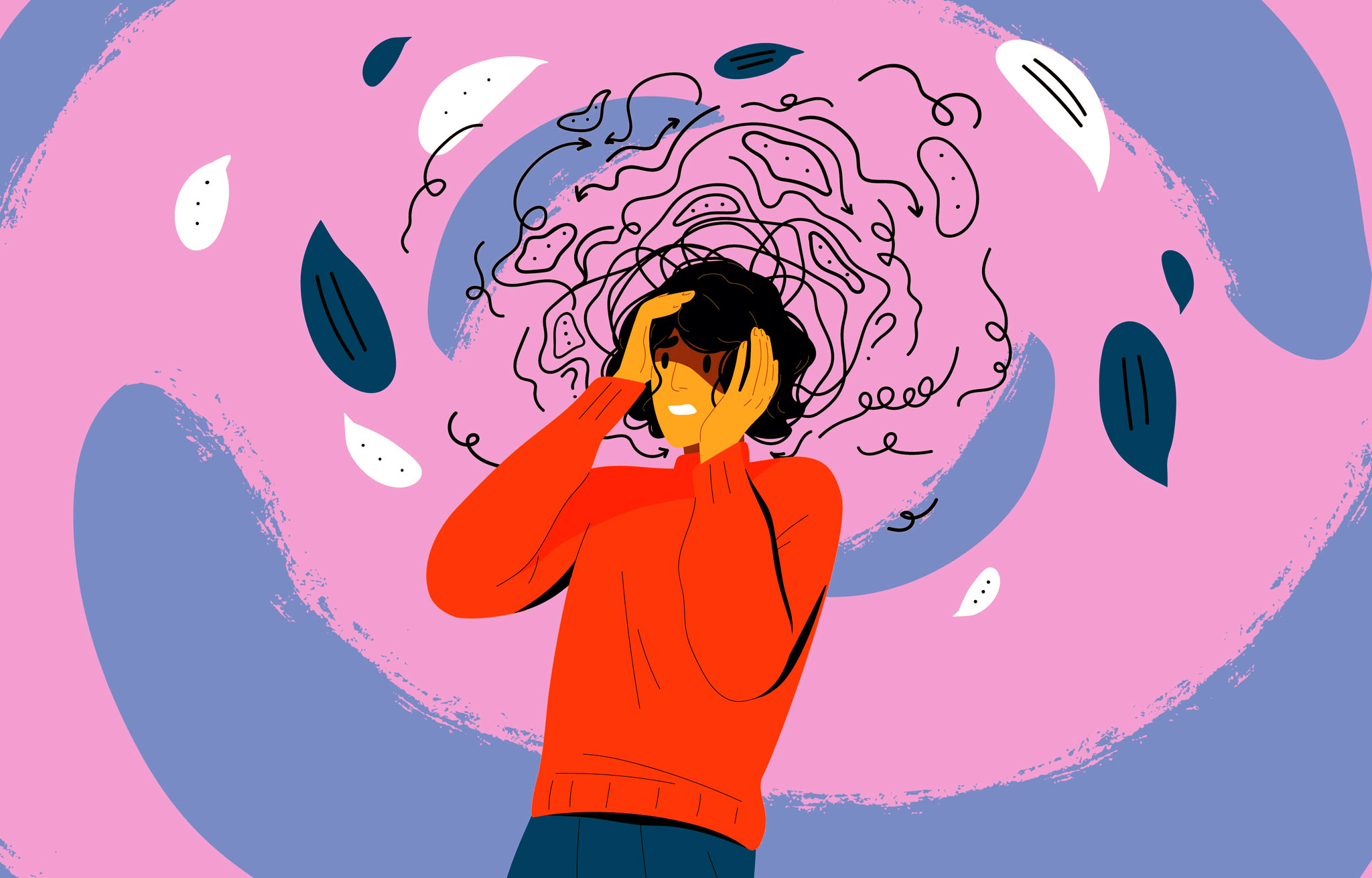
Anxiety is a fundamental human emotion, serving as a natural response to stress, uncertainty, or perceived danger.[1] It alerts you to potential threats and motivates you to take action when faced with challenges. In its milder forms, anxiety can be adaptive, helping you prepare for important events or navigate unfamiliar situations.
For some people, anxiety can evolve into a more pervasive and disruptive force. These experiences can involve heightened and prolonged levels of stress that exceed what is considered normal or adaptive.[2] Your anxiety symptoms can significantly impair daily functioning, relationships, and overall well-being.
Let’s explore the dual nature of anxiety: as a normal human experience and as a potential source of mental health disorders. By understanding both aspects, we will help to illuminate the complexities of anxiety and provide insights into effective strategies for managing and treating anxiety disorders.
If anxiety is starting to interfere with your daily life, contact our mental health professionals to explore treatment options.
What is Anxiety, and is it Normal?
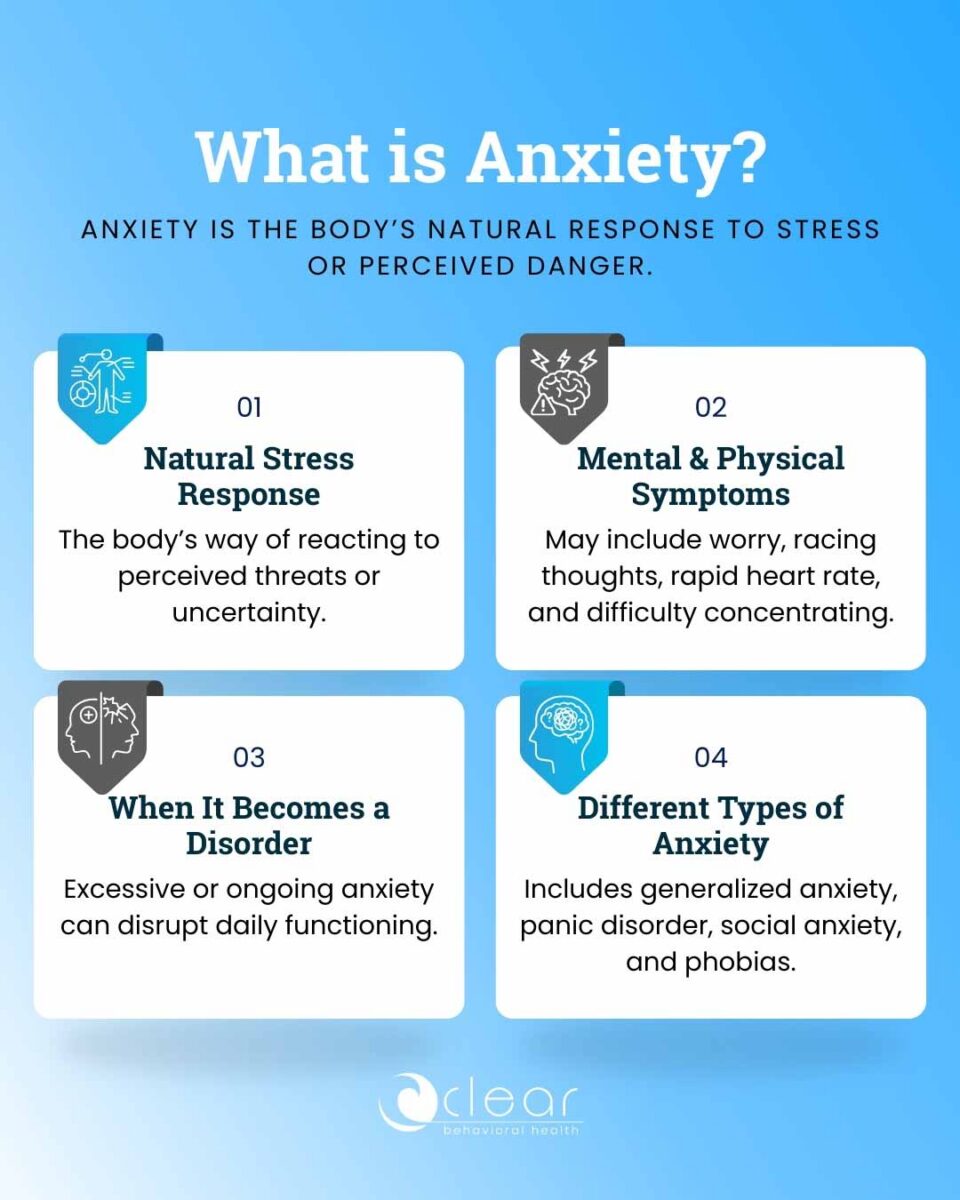
Anxiety is an emotional response characterized by feelings of worry, nervousness, or unease about something with an uncertain outcome, and a natural human response to stress or perceived danger. This response can manifest as physical sensations (like increased heart rate or sweating) and cognitive symptoms (such as racing thoughts or difficulty concentrating).
In normal circumstances, anxiety can serve a protective function, alerting you to potential threats and preparing you to respond to those perceived threats appropriately.[3] For example, anxiety before a job interview or an exam can motivate you to thoroughly prepare beforehand for a better outcome.
However, anxiety becomes problematic when it is excessive, persistent, and interferes with daily life and functioning. The experience of heightened and prolonged anxiety can be difficult to control and may require professional help to manage effectively.
Related: Living With Anxiety
What Are the Signs and Symptoms of Anxiety?
Anxiety affects both the mind and body. While occasional worry is a normal part of life, ongoing anxiety often produces patterns of emotional, cognitive, and physical symptoms that can interfere with daily life. These symptoms may appear during stressful situations or continue even when there is no obvious reason.
Common signs and symptoms of anxiety include:
- Persistent or excessive worry
- Feeling restless, tense, or on edge
- Difficulty concentrating or racing thoughts
- Irritability
- Sleep problems, such as trouble falling or staying asleep
- Fatigue or low energy
- Muscle tension or headaches
- Rapid heartbeat or shortness of breath
- Digestive issues such as nausea or stomach discomfort
These symptoms can vary in intensity and may come and go depending on stress levels or life circumstances. When they become frequent or begin affecting relationships, work, or daily responsibilities, it may indicate an anxiety disorder that could benefit from professional support.[2]
What Are 5 Signs You Have Anxiety?
While anxiety can show up in many ways, there are several common warning signs that people tend to experience when anxiety becomes more persistent. Recognizing these patterns can help you understand what you are feeling and when it may be time to seek help.
Five common signs of anxiety include:
- Constant worry or overthinking: Thoughts may repeatedly focus on worst-case scenarios or potential problems.
- Feeling restless or unable to relax: Anxiety often creates a sense of internal tension or agitation.
- Difficulty concentrating: Racing thoughts or intrusive worries can make it harder to focus on tasks or conversations.
- Sleep disturbances: Many people with anxiety struggle with falling asleep, staying asleep, or waking up feeling rested.
- Physical stress symptoms: Anxiety frequently affects the body, leading to muscle tension, headaches, sweating, or a racing heart.
For some people, these symptoms may appear during specific stressful events. For others, they can become part of a longer-term pattern that gradually impacts emotional well-being and quality of life. If these signs persist, speaking with a mental health professional can help clarify what’s happening and identify effective ways to manage anxiety.[2]
What’s the Difference Between Normal Anxiety and Problematic Anxiety?
The difference between normal anxiety and problematic anxiety lies primarily in its intensity, duration, and impact on your daily functioning:[4]
Intensity and Duration
- Normal Anxiety: Occasional feelings of nervousness or worry in response to stressful situations, such as before a presentation or during a challenging event. These feelings are temporary and usually subside once the stressful situation is over.
- Problematic Anxiety: Persistent and excessive anxiety that is disproportionate to the actual threat or stressor. It can occur frequently, even when there is no immediate danger. This type of anxiety may not go away on its own and can escalate over time if not addressed properly.
Impact on Daily Life
- Normal Anxiety: Does not significantly impair your ability to function in your daily life. It may motivate productive behaviors, such as studying for exams or preparing for important events.
- Problematic Anxiety: Interferes with daily activities, relationships, work, or school performance. It can lead to avoidance behaviors (avoiding certain places or situations), difficulty concentrating, insomnia, and physical symptoms like headaches or gastrointestinal issues.
Control and Management
- Normal Anxiety: Generally manageable and can be relieved with coping strategies like relaxation techniques, talking to friends or family, or engaging in enjoyable activities.
- Problematic Anxiety: Often difficult to control and may require professional help, such as therapy or medication, to manage effectively. It tends to persist and can worsen without intervention.
Context and Triggers
- Normal Anxiety: Normal anxiety is typically related to specific stressors or events and is a normal response to challenging situations.
- Problematic Anxiety: This can be triggered by minor events or without any apparent cause. It may be accompanied by irrational fears or worries that are difficult to rationalize or control.
Related: Debilitating Anxiety: How Can I Get the Help I Need?
Types of Anxiety Disorders
Anxiety disorders represent a diverse group of mental health conditions characterized by excessive fear, worry, or anxiety.[5] Here are some of the most common types, as well as other anxiety disorders:
Generalized Anxiety Disorder (GAD)
GAD is the excessive worry and anxiety about various aspects of life (health, work, family, etc.) lasting for at least 6 months. Common GAD symptoms include:
- Difficulty controlling worry.
- Restlessness, irritability, muscle tension.
- Fatigue, difficulty concentrating, sleep disturbances.
Panic Disorder
You may have panic disorder if you have recurrent and unexpected panic attacks, which are sudden periods of intense fear or discomfort. You may experience:
- Physical symptoms during panic attacks such as rapid heart rate, sweating, trembling, shortness of breath, and chest pain.
- Persistent concern about having additional attacks or their consequences (e.g., losing control, going crazy).
Related: Panic Attack Vs. Anxiety Attack: How to Know the Difference
Social Anxiety Disorder or SAD (Social Phobia)
SAD is the intense fear or anxiety about social situations where you may be scrutinized or judged by others. Common symptoms of SAD are:
- Fear of embarrassment or humiliation.
- Avoidance of social situations or endurance with intense anxiety.
- Physical symptoms such as blushing, sweating, trembling, and nausea.
Related: What is Social Anxiety Disorder? Signs, Symptoms, and Treatment
Specific Phobias
Phobias include an intense fear or anxiety about a specific object or situation (e.g., flying, heights, spiders) and side effects can often be:
- Immediate fear response upon encountering or even thinking about the phobic object or situation.
- Avoidance of the phobic object or situation, which may significantly interfere with daily life.
Agoraphobia
Agoraphobia is the fear or anxiety about being in situations or places where escape might be difficult or help might not be available in case of panic-like symptoms. Agoraphobia can manifest as:
- Avoidance of situations such as crowded places, public transportation, open spaces, or being alone outside the home.
- Fear or avoidance that persists for 6 months or more.
Separation Anxiety Disorder
This condition is described as the excessive fear or anxiety about separation from attachment figures (e.g., parents or caregivers). You know you have separation anxiety disorder if you have:
- Persistent worry about harm befalling those close to them.
- Reluctance or refusal to go out, attend school, or sleep away from home.
What Causes Anxiety Disorders?
The causes of anxiety disorders are complex and can involve a combination of influences, including psychological, genetic, and environmental factors:[6]
- Genetics and Family History: There is evidence suggesting a genetic predisposition to anxiety disorders. Those with a family history of anxiety disorders may be at higher risk of developing one themselves.
- Brain Chemistry and Neurobiology: Imbalances in neurotransmitters (such as serotonin, dopamine, and norepinephrine) and changes in certain areas of the brain involved in emotional regulation and fear response (such as the amygdala and prefrontal cortex) can play a role in anxiety disorders.
- Personality Factors: Certain personality traits, such as being more prone to negative emotions, perfectionism, or a tendency to avoid situations perceived as threatening, can increase susceptibility to anxiety disorders.
- Life Experiences: Traumatic events, stressful life circumstances (such as financial problems, relationship difficulties, or academic pressure), and early childhood experiences (such as neglect or abuse) can contribute to developing anxiety disorders.
- Medical Conditions: Certain medical conditions (e.g., thyroid disorders, heart conditions) and chronic illnesses may be associated with increased anxiety symptoms.
- Substance Use or Withdrawal: Substance abuse, drug addiction, or withdrawal from drugs and alcohol can trigger or magnify anxiety symptoms.
- Stressful Life Events: Major life changes or ongoing stressors can contribute to the onset or worsening of anxiety disorders.
- Cognitive Factors: Maladaptive thinking patterns, such as catastrophizing (expecting the worst to happen), overgeneralizing (drawing broad conclusions based on limited evidence), or selective attention to perceived threats, can contribute to anxiety disorders.
Related: What Causes Mental Illness?
How are Anxiety Disorders Diagnosed?
Anxiety disorders are diagnosed primarily through clinical assessment using criteria outlined in the Diagnostic and Statistical Manual of Mental Disorders, Fifth Edition (DSM-5).[7] Clinicians conduct interviews to evaluate the presence and severity of anxiety disorder symptoms such as excessive worry, fear, avoidance behaviors, and physical manifestations like increased heart rate or sweating.
To diagnose anxiety disorders, other potential causes for symptoms, such as medical conditions, substance use, or other mental disorders need to be ruled out. The process aims to establish whether the anxiety symptoms significantly impair daily functioning and require treatment.
Related: What is a Psychological Evaluation?
How to Handle Anxiety
Managing anxiety often starts with learning how to calm your body’s stress response and change the thought patterns that fuel worry. While occasional anxiety can often be managed with healthy coping strategies, persistent anxiety may benefit from professional support.
Some evidence-based ways to handle anxiety include improving sleep routines, staying physically active, and practicing techniques that regulate breathing and reduce tension in the body. Many people also benefit from talk therapy, such as cognitive behavioral therapy (CBT), which helps you identify anxious thought patterns and develop healthier ways to respond to stress. Over time, these strategies can help reduce the intensity and frequency of anxiety symptoms.[2]
How to Shake Out Anxiety
When anxiety spikes suddenly, the goal is to help your nervous system settle as quickly as possible. Short, simple actions can interrupt the stress response and help your body return to a calmer state.
Slow breathing, gentle movement such as stretching or walking, and grounding exercises that focus your attention on the present moment can all help reduce anxiety in the moment. These techniques work by signaling to your brain that the immediate threat has passed, allowing your body to gradually shift out of fight-or-flight mode.[2]
If anxiety spikes frequently or begins interfering with daily life, it may be helpful to speak with a mental health professional who can help identify triggers and develop long-term coping strategies.
Related: Staying Grounded: The 3-3-3 Rule for Anxiety
When to Seek Help for Anxiety
Seek help for anxiety when it disrupts your daily life, relationships, or work, or when you experience persistent worry, fear, or physical symptoms like headaches or insomnia that are difficult to manage alone. If anxiety leads to avoidance behaviors or significantly impacts your ability to function normally, seeking assistance from a mental health professional, such as a therapist or psychiatrist, can be the first step toward healing.
Early intervention can prevent symptoms from worsening and help you develop effective coping strategies to improve your mental health and overall quality of life.
Support for anxiety is available. Connect with our anxiety experts to understand your treatment options.
Treatment for Anxiety Disorders
If you’re struggling to manage anxiety on your own, know that you’re not alone. Treatment for anxiety disorders typically involves a combination of approaches tailored to individual needs, severity of symptoms, and preferences. Here are some effective methods used to treat anxiety disorders:
Outpatient Therapy
When it comes to mental health treatment, outpatient talk therapy is one method that has proven to be effective for anxiety disorders and other forms of mental illness. Outpatient programs provide a unique opportunity to engage in group therapy alongside other people working through the same struggles as well as one-on-one sessions with qualified mental health professionals.
Cognitive-behavioral therapy (CBT) is widely recognized as effective for anxiety disorders.[8] It helps you identify and change negative thought patterns and behaviors contributing to anxiety. Other therapies such as exposure therapy, mindfulness-based therapies, and psychodynamic therapy may also be used as well, depending on the specific disorder and your own individual needs.
Anti-Anxiety Medications
Antidepressants, particularly selective serotonin reuptake inhibitors (SSRIs) and serotonin-norepinephrine reuptake inhibitors (SNRIs), are often prescribed to reduce anxiety symptoms. Benzodiazepines may be used for short-term relief, but are typically avoided for long-term use due to potential dependence issues.
Inpatient Treatment
For severe cases where outpatient therapy and medications aren’t sufficient, or when there’s a risk of harm to oneself or others, inpatient treatment in a psychiatric hospital or residential treatment in a mental health facility may be necessary. This involves intensive monitoring, therapy, and medication management in a structured environment.
Virtual Intensive Outpatient Program (IOP)
Our Virtual IOPs offer structured treatment through online platforms, providing therapy sessions, group support, and medication management remotely. This option is convenient if you prefer or require flexible scheduling or cannot access in-person services.
Help and Support for Anxiety Disorders
If you’re ready to regain peace of mind, Clear Behavioral Health offers compassionate and expert care that’s tailored to your individual needs. No matter what kind of anxiety you’re dealing with (or co-occurring mental health and substance use concerns), our dedicated team is here to support you every step of the way.
Contact us today to learn more about our anxiety treatment and mental health programs including mental health residential treatment for severe conditions, outpatient mental health treatment, anxiety treatment for teens, and virtual IOP serving all of California. Don’t let anxiety continue to impact your quality of life. Your journey toward a healthier, more balanced life starts today.
References:
- MedlinePlus. (2020, May 22). Anxiety. Medlineplus.gov; National Library of Medicine. https://medlineplus.gov/anxiety.html on July 8, 2024
- National Institute of Mental Health. (2023). Anxiety Disorders. National Institute of Mental Health; National Institute of Mental Health. https://www.nimh.nih.gov/health/topics/anxiety-disorders on July 8, 2024
- Marques, L. (2018, July 22). Do I have anxiety or worry: What’s the difference? – Harvard Health Blog. Harvard Health Blog. https://www.health.harvard.edu/blog/do-i-have-anxiety-or-worry-whats-the-difference-2018072314303 on July 8, 2024
- National Institute of Mental Health. (2022). Generalized anxiety disorder: When worry gets out of control. National Institute of Mental Health. https://www.nimh.nih.gov/health/publications/generalized-anxiety-disorder-gad on July 8, 2024
- American Psychiatric Association. (2023, June). What Are Anxiety Disorders? Psychiatry.org; American Psychiatric Association. https://www.psychiatry.org/patients-families/anxiety-disorders/what-are-anxiety-disorders on July 8, 2024
- Chand, S. P., & Marwaha, R. (2023, April 24). Anxiety. PubMed; StatPearls Publishing. https://www.ncbi.nlm.nih.gov/books/NBK470361/ on July 8, 2024
- Lewis-Fernández, R., Hinton, D. E., Laria, A. J., Patterson, E. H., Hofmann, S. G., Craske, M. G., Stein, D. J., Asnaani, A., & Liao, B. (2010). Culture and the anxiety disorders: recommendations for DSM-V. Depression and Anxiety, 27(2), 212–229. https://doi.org/10.1002/da.20647 on July 8, 2024
- Kaczkurkin, A. N., & Foa, E. B. (2018). Cognitive-behavioral therapy for anxiety disorders: an update on the empirical evidence. Dialogues in Clinical Neuroscience, 17(3), 337–346. ncbi. https://doi.org/10.31887/DCNS.2015.17.3/akaczkurkin on July 8, 2024