

Personalized marijuana addiction treatment with expert care at Clear Behavioral Health
Marijuana use has become normalized, and although it’s not an addictive substance, the physical and mental response to using marijuana can be. Less widely known, marijuana addiction is when your cannabis use becomes increasingly more frequent, and you feel you cannot function daily without it.
Assessing how much you use, how often, and your symptoms when you aren’t using it can help you determine your dependence on the substance. At Clear Behavioral Health, our team of experts can help you understand your marijuana addiction, the underlying causes of why you depend on cannabis, and how to develop healthier coping mechanisms.
We are in-network
We work with most major insurance providers to make quality treatment accessible.
Let us help you through the maze.
Accepted insurance providers











Don’t let cost be a barrier to recovery
We’ll review your insurance, answer your questions, and handle the administrative details for you.
What to expect with our marijuana addiction treatment programs
At Clear Behavioral Health, you can find comprehensive marijuana addiction treatment in Los Angeles designed to support your recovery at every stage. Our programs combine evidence-based therapies, compassionate clinical care, and personalized treatment planning to address both your physical dependence on marijuana and the underlying emotional or mental health factors contributing to substance use.
You’ll have access to a full continuum of care, including medical detox, residential rehab, outpatient programs (PHP and IOP), and dual diagnosis treatment, so you can receive the right level of support for your needs. With flexible scheduling and a focus on lasting sobriety, we help you rebuild stability, health, and confidence in your daily life.
Featured programs
Our thoughtfully tailored addiction and mental health programs are delivered in-network and designed to be both accessible and effective — offering detox, residential rehab, outpatient care, and dual diagnosis treatment in comfortable in-person settings throughout Los Angeles.
Marijuana detox program
Our detox program in Los Angeles provides 24/7 medically supervised care when you’re experiencing acute withdrawal symptoms related to substance use.
With a focus on safety, stabilization, and comfort, you receive evidence-based medical support, compassionate clinical oversight, and a structured environment designed to promote physical stabilization and prepare you for the next phase of recovery.
Services provided at Clear
- Safe, medically supervised detox
- 24/7 clinical support
- Medications to ease withdrawal symptoms
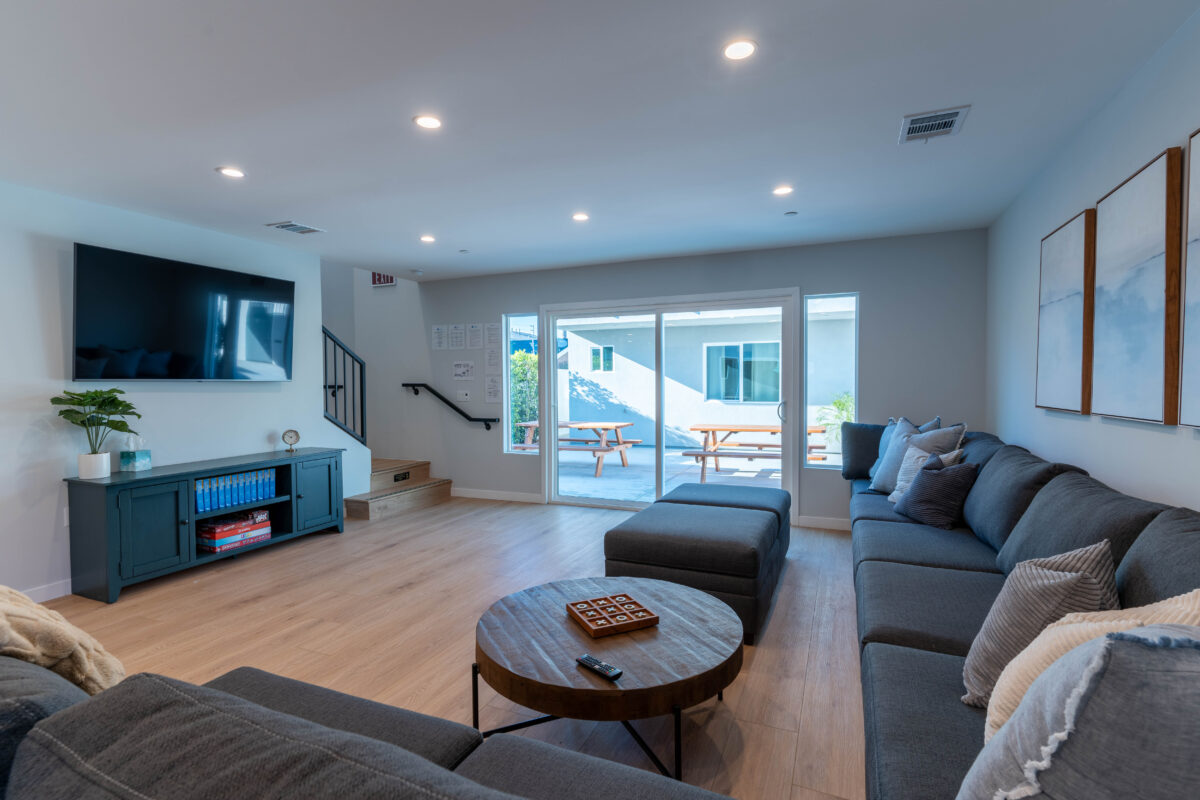
- Private, home-like environment
- In-house transition to rehab
- Holistic therapies (yoga, mindfulness, creative expression)

Inpatient rehab
Our inpatient rehab in Los Angeles provides 24/7 immersive residential care for individuals struggling with drug or Marijuana addiction.
With an average stay of 30 days, you receive personalized clinical support, a safe and structured environment, and daily programming designed to promote lasting recovery and well-being.
Services provided at Clear
- 24/7 clinical and therapeutic care
- Expert addiction therapy
- Community and peer support
- Long-term recovery care
- Coping & relapse prevention skills development
- Holistic therapies (yoga, meditation, creative expression)

Outpatient addiction treatment
Our outpatient addiction program in Los Angeles provides structured, supportive care for individuals working toward lasting sobriety.
With a flexible schedule, you receive personalized clinical support, a safe and encouraging environment, and tailored programming designed to strengthen recovery skills and overall well-being in an outpatient setting.
Services provided at Clear
- Individual and group therapy
- PHP & IOP levels of care
- Structured 90-day recovery program
- Coping & relapse prevention skill development
- Holistic therapies (yoga, mindfulness, creative expression)

Dual diagnosis treatment
Our dual diagnosis program in Los Angeles provides evidence-based care for individuals managing co-occurring mental health and substance use disorders in an outpatient treatment setting.
With a structured approach, you receive personalized clinical support, a safe and supportive environment, and programming designed to promote lasting recovery and overall well-being.
Services provided at Clear
- PHP & IOP levels of care
- Individual and group therapy
- Structured 90-day recovery program
- Coping and relapse prevention skills development
- Evidence-based and holistic therapies (CBT, mindfulness, yoga)


Comparison table for detox, rehab (residential/inpatient), outpatient treatment (PHP & IOP), and dual diagnosis programs
| Feature | Detox | Rehab (residential/inpatient) | Outpatient treatment (PHP & IOP) | Dual diagnosis programs |
| Duration of program | Typically 3–10 days, depending on substance use history, withdrawal severity, and medical needs | Usually up to 30 days, with longer stays available based on progress | PHP: Full day programming (5–7 days/week); IOP: 3–5 days/week for several weeks to months | Varies based on mental health and substance use severity; often continues across multiple levels of care |
| Level of supervision | High medical supervision with 24/7 monitoring for withdrawal safety and stabilization | High, 24-hour care and supervision in a structured residential environment | Moderate, scheduled therapy sessions with increasing independence outside treatment hours | Moderate to high, depending on level of care; coordinated psychiatric and clinical oversight |
| Therapeutic modalities | Medical monitoring, withdrawal management medications when appropriate, supportive counseling, psychoeducation, and discharge planning | CBT, DBT, trauma-informed therapy, group therapy, individual therapy, holistic therapies, relapse prevention, and medication management | CBT, DBT, relapse prevention therapy, group therapy, family therapy, life skills development, and medication management if needed | Integrated mental health and addiction treatment, psychiatric care, medication management, trauma therapy, CBT/DBT, psychoeducation, and relapse prevention |
What is marijuana?
Marijuana, also known as cannabis, is the dried flowers and leaves from a cannabis plant, which, when consumed, is a psychoactive drug. The cannabis plant has two main chemicals: tetrahydrocannabinol (THC) and cannabidiol (CBD). THC produces the psychoactive effects, while CBD has a calming effect.
Due to its seemingly harmless nature, marijuana use is normalized throughout the world, with options in the US to go to a doctor and receive a medical marijuana card, which enables you to purchase it legally in some states.
Marijuana has the potential to alleviate symptoms of chronic pain, help with anxiety, trauma, depression, ADHD, and other mental disorders. However, self-medicating can quickly turn into marijuana abuse and lead to more negative consequences down the line.
Marijuana can be smoked, made into tea, or put in food to be consumed. The oils can also be extracted and made into a wax or vape pen for a higher intensity to consume.
Types of marijuana

Cannabis flower
Cannabis flower is the smokable part of the cannabis plant that contains cannabinoids like THC and CBD. These flowers are harvested from the female cannabis plant and dried and cured before consumption.

Extracts and concentrates
A marijuana concentrate is a highly potent THC (Tetrahydrocannabinol) concentrated mass that looks like honey or butter. Marijuana concentrates contain extraordinarily high THC levels, i.e., 40-80%. They are usually consumed via vaporization (vaping).
Edibles
Ground cannabis flowers or concentrates can be mixed with food to create edible marijuana, and their effects last longer than other methods. These products are sold and marketed as chocolate bars, sour candy, baked goods, drinks, and more.
Signs and symptoms of marijuana abuse
Common signs of marijuana addiction include:
- Paranoia
- Distorted perceptions and depersonalization
- Memory issues
- Impaired coordination
- Bloodshot eyes
- Constant cough
- Excessive hunger
- Slow reaction time
- Irritability

15+
Years
Experience
Marijuana addiction treatment at Clear Behavioral Health
At Clear Behavioral Health, we provide a holistic approach to marijuana addiction treatment. We recognize that addiction impacts not just your physical health but also your mental and emotional well-being.
Our programs are specifically designed to address all dimensions of addiction, ensuring you receive the care, support, and treatment options necessary for sustainable recovery. Get in touch with us today to start your journey in recovery.
Expert team
Experienced psychiatrists, therapists, and wellness professionals dedicated to your recovery.
Accredited excellence


Not sure which marijuana addiction treatment program is right for you?
Our clinical team will conduct a thorough assessment of marijuana addiction symptoms and guide you to the most appropriate level of care for recovery and emotional support.
Our treatment philosophy
At Clear Behavioral Health, we offer personalized addiction and mental health care across Los Angeles, through our detox, rehab, outpatient treatment, and dual diagnosis programs. We tailor your treatment plan to your specific needs and are here for you every step of your journey.

Supervised medical detox
Detox safely from alcohol, drugs, or other addictive substances under 24/7 supervision. FDA-approved medications ease withdrawal symptoms, reduce cravings, and ensure comfort during the typical 5–7 day detox.

Personalized treatment plan
Receive a tailored treatment plan from our expert team of clinicians, combining evidence-based therapies, medication management, and holistic care to support your mind, body, spirit, and lasting recovery.

Comprehensive levels of care
Recover through detox, residential rehab, or outpatient programs, including PHP (5 days/week) and IOP (3–5 days/week). Each program combines therapy, counseling, medication management, and holistic wellness to support every stage of healing.

Build coping & life skills
Learn strategies to manage stress, triggers, and cravings while developing emotional awareness, relapse prevention skills, and healthy ways to respond to challenges.

Holistic healing
Yoga, meditation, sound baths, and other holistic therapies restore mind-body balance and complement traditional addiction treatment.

Ongoing support & aftercare
Access outpatient PHP/IOP programs, sober living, therapy, psychiatry, and alumni support to maintain recovery and stay connected after inpatient treatment.
How to start
We’re ready to support you on your healing journey.
step
01
Connect with us
We’ll work together to figure out the best path forward, and even help you navigate your insurance.
We’ll make the process simple so you can focus on the important stuff.
step
02
Meet your care team
Get matched with a provider who fits your personality, needs, and goals.
We won’t stop until we find the right clinician for you or your loved one.
step
03
Start the journey
Take the courageous first step toward a healthier future.
We’ll provide compassionate care that fits with your schedule and your life.
Stories of hope & recovery
Hear real experiences from clients who found healing and hope.
Our other services
We provide mental health services for teens and adults, as well as substance use disorder treatment for adults across Los Angeles and California. Learn more about some of our featured services:

Mental health conditions we treat
No matter your mental health challenges, we’re here to help. Our expert team of psychiatrists and mental health practitioners conducts thorough clinical assessments to diagnose and treat a range of mental health conditions, including depressive disorders, anxiety disorders, mood disorders, and more.

Drug and alcohol addictions we treat
Our alcohol and drug detox and rehab programs feature a dedicated team of addiction specialists, drug and alcohol counselors, and board-certified psychiatrists providing comprehensive evaluations to diagnose and treat your addiction.
Frequently asked questions
Get answers to common questions about marijuana addiction treatment
What is considered heavy marijuana use?
Heavy marijuana use is generally when you engage in daily or near-daily use, multiple times per day. This typically involves consuming or smoking cannabis throughout the day, experiencing cannabis withdrawal when not using, and continuing despite negative impacts on your life.
If your marijuana use is affecting your relationships, work, or health, it may be time to speak with our addiction specialists.
What are the treatments for marijuana?
Effective marijuana treatments include cognitive behavioral therapy (CBT), motivational enhancement therapy, and holistic approaches that address both addiction and mental health. Depending on your needs, treatment may be outpatient or residential.
Contact us today to find out which evidence-based treatment options might work best for your unique situation.
Is it possible to be addicted to weed?
Yes, it is possible to become addicted to marijuana. Signs you are addicted include cravings, withdrawal symptoms like irritability and sleep problems, and an inability to control cannabis use despite negative consequences.
If you’re concerned about your marijuana use, our compassionate team can help you determine if treatment might be beneficial today.
Is marijuana really addictive or just habit-forming?
Yes, marijuana can be addictive. While not everyone who uses cannabis develops an addiction, frequent or heavy use can lead to cannabis use disorder, where a person feels unable to stop despite negative impacts on health, work, or relationships.
How does outpatient treatment for marijuana addiction work?
Outpatient treatment provides structured therapy and support while allowing you to live at home. At Clear Behavioral Health, clients attend individual therapy, group sessions, relapse-prevention education, and holistic care several times per week. This flexible format makes it easier to balance recovery with work, school, or family responsibilities.
What is the difference between PHP and IOP for cannabis addiction?
A Partial Hospitalization Program (PHP) is more intensive, with clients typically attending treatment 5 days a week for several hours a day. An Intensive Outpatient Program (IOP) requires fewer hours per week—usually 3–5 days—making it a step down from PHP while still offering strong therapeutic support.
How long does it take to recover from marijuana addiction?
Recovery timelines vary. Some people may see improvements in a few months, while others may need 6–12 months of structured treatment and ongoing support. Long-term recovery often includes therapy, lifestyle changes, and relapse-prevention strategies.
Is marijuana addiction treatment covered by insurance in California?
Most insurance plans—including Aetna, Anthem, Blue Shield, and Cigna—cover treatment for marijuana addiction in California. Coverage depends on your specific plan, so it’s important to verify your benefits before starting treatment.
What therapy options are available for cannabis addiction?
Common therapies include Cognitive Behavioral Therapy (CBT) to address thought patterns, Dialectical Behavior Therapy (DBT) for emotional regulation, motivational interviewing to build commitment to change, and holistic therapies like mindfulness, yoga, and stress management.
What are the withdrawal symptoms from quitting marijuana?
Withdrawal symptoms may include irritability, anxiety, insomnia, loss of appetite, headaches, cravings, and mood swings. These symptoms are usually not life-threatening but can make it challenging to stop without professional support.
What are the common symptoms of marijuana addiction?
Signs of marijuana addiction include:
- Needing more marijuana to feel the same effects (tolerance)
- Struggling to cut back or quit
- Spending significant time using or recovering from use
- Declining work or school performance
- Social withdrawal or loss of interest in activities
- Continued use despite negative consequences
How long does marijuana withdrawal and treatment last?
Marijuana withdrawal symptoms typically last 1–2 weeks, though sleep issues and cravings can persist longer. Treatment duration depends on individual needs but often involves 6–12 weeks of outpatient care and longer-term support through therapy or aftercare programs.
Is medication used to treat marijuana addiction?
Currently, there are no FDA-approved medications specifically for cannabis addiction. However, clinicians may prescribe medications to manage anxiety, insomnia, or depression during withdrawal and recovery.
Are support groups available for marijuana addiction recovery in Los Angeles?
Yes. Many people benefit from peer support groups such as Marijuana Anonymous (MA) and other community-based or treatment center–led recovery groups in Los Angeles. Clear Behavioral Health also offers alumni programs to help clients stay connected and supported after treatment.
Take the first step toward healing
Contact us today for a free, confidential consultation.
 (877) 799-1985
 Message Us
Available 24/7
Our admissions team is ready to help anytime, day or night.
What to expect when you call
- Compassionate conversation about your situation.
- Free insurance verification and benefits check.
- Personalized treatment recommendations.
- Fast admission process (often same-day placement).
Our locations



Your next step is clear
There’s no need to keep wondering whether or when to take the next step. Our team is ready to help. Simply call us today at 877.799.1985 or request a consultation below.