
Serving Areas:
Beverly Hills, Malibu, West Hollywood, Koreatown, Culver City, Hollywood Hills, Beverly Grove, Mid-City

Ages Served:
Adults and Teens
Our approach to burnout treatment
Burnout treatment at our Redondo Beach location focuses on easing the effects of chronic stress, rebuilding healthy boundaries, and addressing the workplace or caregiving pressures that led to exhaustion in the first place.
Our philosophy of compassionate care
We treat burnout as a legitimate clinical concern, not a character flaw or lack of willpower, and pair practical stress-management skills with deeper work on identity, self-worth, and pace of life.
Clinical therapies offered
Treatment may include cognitive behavioral therapy, mindfulness-based stress-management skills, boundary-setting skills, and planning for rest and recovery around work or caregiving demands. Individual therapy and daily group therapy work together as core parts of each client’s treatment plan. Medication management is available at our PHP and IOP programs and is provided through our partnership with Neuro Wellness Spa.

Insurance accepted
We accept most major insurance providers, and our team can help verify your benefits so Redondo Beach clients know what their coverage includes before burnout treatment begins.
Let us help you through the maze.

















What is burnout?
Burnout is a state of physical, emotional, and mental exhaustion that builds from prolonged stress, often tied to work, caregiving, or unrelenting responsibility. It is not simply being tired after a hard week.
Left unaddressed, it can deepen into clinical depression or anxiety, making early recognition and support important.
Why choose Clear Behavioral Health?
Our Redondo Beach program treats burnout as a real clinical concern, combining individual therapy and daily group therapy with practical skills for managing stress, workload, and boundaries so care reflects real work and family demands.

Accessible care
Convenient, affordable, immediate, and easy to obtain

Built for you
Expert clinical care centered around your unique & evolving goals

Connected to community
Deep local support from your care team and peers, today and tomorrow
10+
Years of service
92%
Seen within 24 hours
16
Treatment Locations
50+
Care Providers
Burnout treatment programs in Redondo Beach
Our Redondo Beach outpatient programs provide structured burnout care through an in-person teen program and adult PHP and IOP levels of care, combining individual therapy, daily group therapy, and stress-management skill-building at the level of support that fits each person’s needs and responsibilities.






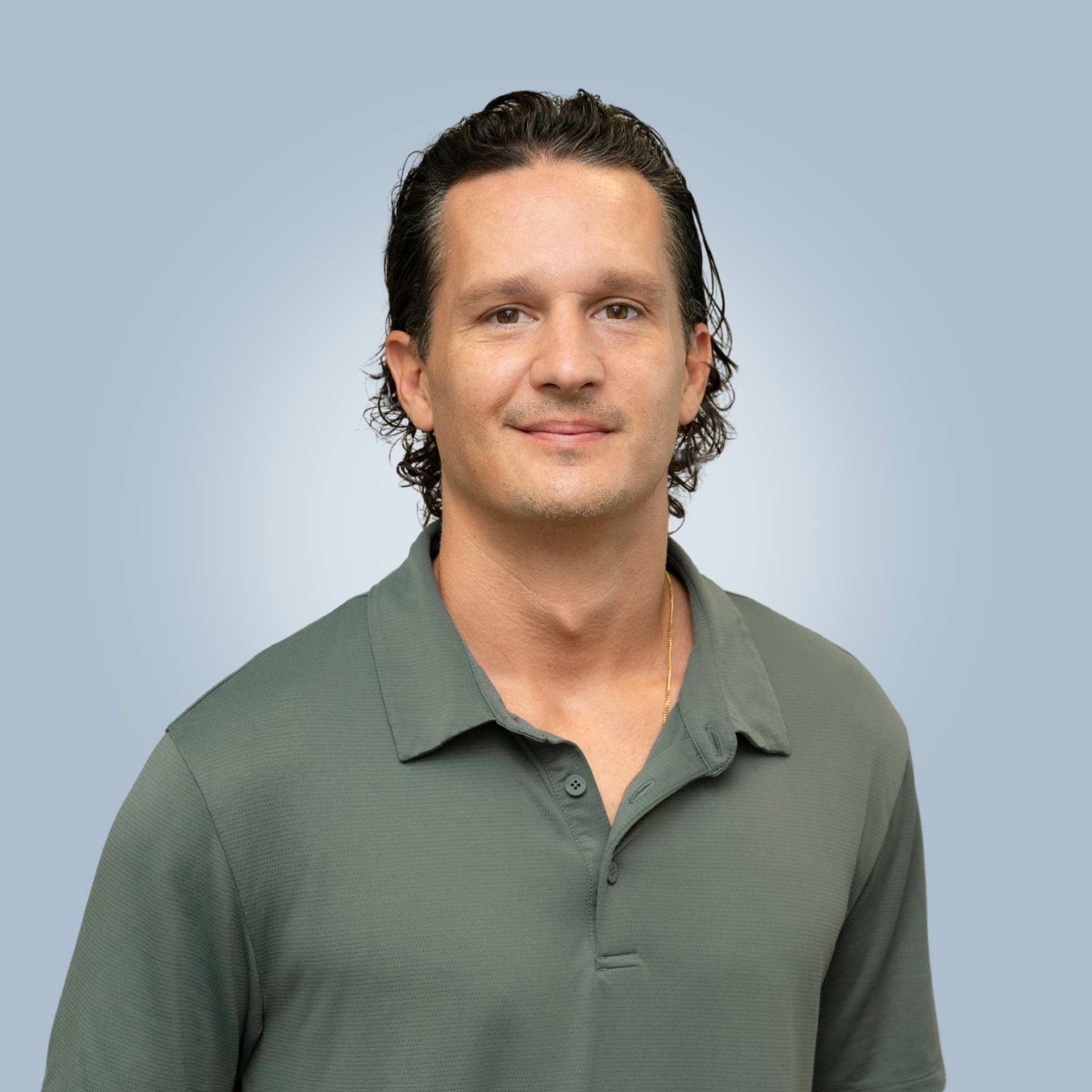
Burnout experts at Clear Behavioral Health, Redondo Beach
Our clinicians bring years of experience treating stress-related conditions and approach each person’s burnout with patience, practical tools, and genuine care for long-term wellbeing.
Testimonials
Our other services
We provide mental health services for teens and adults, as well as substance use disorder treatment for adults across Los Angeles and California. Learn more about some of our featured services:

Mental health conditions we treat
No matter your mental health challenges, we’re here to help. Our expert team of psychiatrists and mental health practitioners conducts thorough clinical assessments to diagnose and treat a range of mental health conditions, including depressive disorders, anxiety disorders, mood disorders, and more.

Drug and alcohol addictions we treat
Our alcohol and drug detox and rehab programs feature a dedicated team of addiction specialists, drug and alcohol counselors, and board-certified psychiatrists providing comprehensive evaluations to diagnose and treat your addiction.
Resources

Let’s take the first step toward healing together
Frequently asked questions
How do I know if what I’m feeling is burnout or clinical depression?
Burnout is closely tied to specific stressors like work or caregiving and often eases with distance from those demands, while depression tends to persist across settings. A clinical assessment can help clarify which you’re experiencing and guide the right treatment.
What does burnout treatment look like day to day?
Treatment combines daily group therapy with individual therapy, along with skill-building around stress management, sleep, workload, and boundaries. Your plan is adjusted as your needs and symptoms change over time.
How quickly can I start burnout treatment in Redondo Beach?
Our admissions team works to schedule new clients promptly, since burnout often worsens the longer it’s left unaddressed. Reach out directly to check current availability.
Can I keep working while in burnout treatment?
That depends on the level of care that fits your needs. IOP is designed to provide structured support while you continue managing many daily responsibilities, while PHP offers more intensive daily treatment. Our admissions team can help you determine the right fit.
Does Clear Behavioral Health offer virtual burnout treatment?
Virtual therapy may be an option for adults who prefer or need remote care. Our admissions team can walk you through availability and help determine the best fit.
What insurance does Clear Behavioral Health accept for burnout treatment?
We accept most major insurance providers, and our team can help verify your benefits before your first appointment.
Does burnout treatment address parental or caregiver burnout?
Yes. Treatment can focus on the emotional detachment, guilt, and depleted capacity that often come with parental or caregiver burnout, alongside the broader stress patterns contributing to exhaustion.