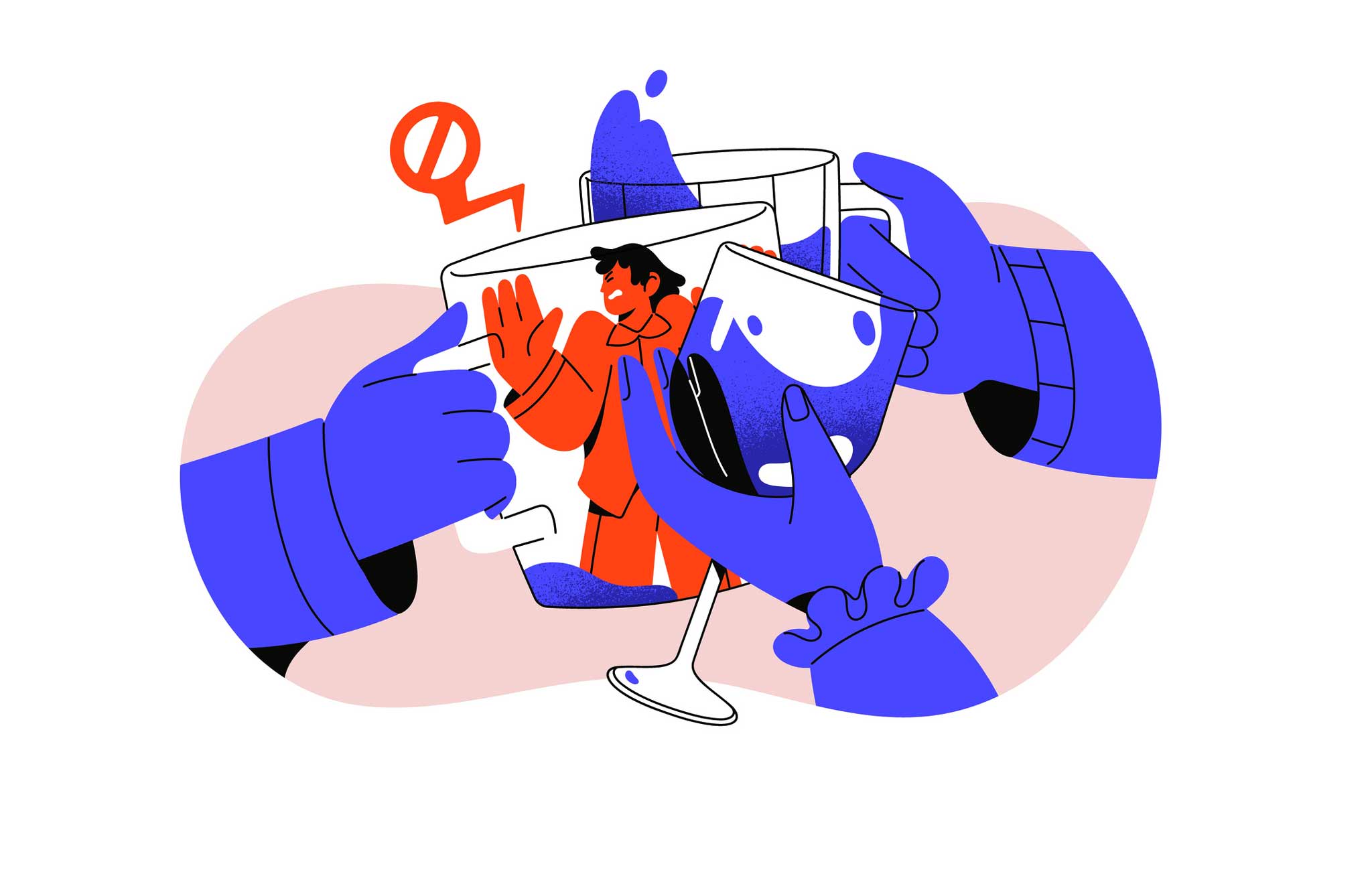
The holidays are often framed as a time of celebration with family gatherings, shared meals, and holiday parties where drinking alcohol is normal. For many people, holiday drinking starts casually and feels temporary. But during the holiday season, increased alcohol consumption can quietly escalate, especially when stress, anxiety, and social pressure pile up.
What begins as a few extra drinks can quickly turn into binge drinking, excessive drinking, or patterns that affect your health, your heart, and your emotional well-being. For some, holiday drinking worsens alcohol dependence or brings alcohol use disorder to the surface.
Understanding how alcohol affects your body and heart, including the risk of holiday heart syndrome, can help you recognize early signs and seek support before things spiral.
If holiday drinking is affecting your daily life, support is available. Reach out now to speak with our team about options.
What holiday drinking often looks like
Holiday drinking doesn’t usually happen all at once. It tends to build gradually as celebrations stack up and your usual routine changes.
When “social drinking” increases
During the holidays, alcohol consumption often increases because events are frequent and centered around food, celebration, and connection. You might drink more alcohol at each gathering than you normally would, or drink on days you typically wouldn’t. Over a prolonged period, even a few weeks of increased alcohol consumption can affect your brain and body.
Using alcohol to cope with stress
Holiday stress, family dynamics, financial pressure, and emotional triggers can lead some people to rely on drinking alcohol as a way to unwind or manage anxiety. While it may feel helpful in the moment, alcohol can worsen anxiety, disrupt sleep, and make emotional regulation harder over time.
Losing track of limits
Long holiday parties, open bars, and casual refills make it easy to lose awareness of how much you’re drinking. This can lead to binge drinking, increased tolerance, and difficulty stopping drinking once you start.
What are the signs of alcohol dependence?
Alcohol dependence often develops quietly. Many alcohol dependent people continue to function day to day while struggling internally with control over alcohol use.
Changes in control and tolerance
A key sign of alcohol dependence is needing more alcohol to feel the same effects. Increased tolerance often leads to heavier drinking and more frequent alcohol use, even when you intend to cut back.
Drinking becomes harder to stop
You may notice strong urges to drink, difficulty limiting how much you consume, or drinking alcohol longer than planned. Over time, alcohol can take up more mental space, influencing decisions, behavior, and daily routines.
Withdrawal symptoms when you stop
Alcohol withdrawal symptoms can include anxiety, shaking, sweating, nausea, headaches, sleep disturbances, and a rapid heart rate. These symptoms indicate physiological dependence and should not be ignored.
According to the Diagnostic and Statistical Manual of Mental Disorders (DSM-5-TR), alcohol use disorder exists across varying degrees, based on how alcohol use affects your health, behavior, and control [1].
Related: What to Expect From Alcohol Detox
What is considered alcohol dependence?
Alcohol dependence develops when alcohol use shifts from preference to necessity. This change occurs in the brain, particularly in reward-related areas like the nucleus accumbens, which influences motivation and reinforcement [2].
How alcohol changes the brain
Repeated alcohol use alters brain chemistry, making alcohol feel increasingly necessary to feel calm, relaxed, or “normal.” Over time, this affects brain function, emotional regulation, and decision-making.
Related: What Alcohol Does to Your Brain
Health risks that build over time
Long-term alcohol use increases the risk of liver disease, high blood pressure, heart failure, anxiety disorders, and other alcohol-related health problems. These risks grow when alcohol use continues unchecked beyond the holidays.
Treating alcohol dependence safely often requires medical oversight, especially when alcohol withdrawal syndrome is present. Severe withdrawal symptoms can be dangerous and may require emergency room care.
Related: Everything You Need to Know About Alcoholism and Alcohol Use Disorder
What is holiday heart syndrome?
Holiday heart syndrome refers to irregular heart rhythms (most commonly atrial fibrillation) that occur after heavy drinking or binge drinking, often during weekends or holidays [3].
Why alcohol affects the heart
Alcohol influences heart rate, blood pressure, hydration levels, and electrolyte balance. These changes can disrupt the heart’s electrical system, increasing the risk of atrial fibrillation, blood clots, and stroke [4].
Who is at risk
Holiday heart can affect young adults and people without known heart disease, as well as those with existing medical conditions. Repeated episodes increase the risk of long-term heart problems.
How long does it take to recover from holiday heart?
For many patients, symptoms of holiday heart improve within 24 to 72 hours after stopping alcohol use. Recovery depends on factors such as how much alcohol was consumed, overall heart health, and whether alcohol use continues.
If symptoms persist, including palpitations, shortness of breath, dizziness, or chest discomfort, medical evaluation is essential. Ongoing drinking increases the risk of chronic atrial fibrillation and heart failure.
Practical ways to be more mindful of drinking during the holidays
You don’t need to do this perfectly. Small, intentional choices can reduce risk and protect your health.
Creating awareness before events
Decide ahead of time how much you plan to drink, if at all. Setting a clear intention helps maintain control in social situations where alcohol flows freely.
Supporting your body
Eating food, staying hydrated, and pacing drinks help reduce the effects of alcohol on your blood pressure, heart rate, and nervous system.
Listening to early warning signs
Pay attention to anxiety, cravings, withdrawal symptoms, or feeling unable to stop drinking. These are important signals that professional support may be needed.
Related: Maintaining Sobriety During the Holidays
When holiday drinking becomes a bigger concern
If alcohol use continues after the holidays or feels increasingly difficult to control, it may signal alcohol addiction or alcohol use disorder. This is a health condition, and effective treatment is available.
Alcohol withdrawal can be dangerous without medical supervision. Symptoms such as severe anxiety, confusion, rapid heartbeat, seizures, or hallucinations require immediate care.
Related: How to Determine if a Loved One Needs Addiction Rehab, and What to Do Next
You don’t have to wait for things to get worse. Help is available when drinking starts to feel overwhelming.
How Clear Behavioral Health can help with holiday drinking and alcohol dependence
Clear Behavioral Health supports you with personalized, evidence-based addiction treatment that meets you where you’re at.
We offer:
- Medically supported alcohol detox
- Structured alcohol rehab
- Flexible outpatient addiction treatment options, including PHP and IOP
Your care may include individual therapy, group therapy, family therapy, parent support groups, CBT, DBT, and holistic approaches such as mindfulness, yoga, breathwork, soundbaths, and physical activity. Treatment focuses on healing your body, brain, and emotional health together.
You deserve care that feels supportive, respectful, and aligned with your goals during the holidays and beyond.
Related: From Detox to Aftercare: The Full Journey of Drug Rehab
You don’t have to carry this through the holidays alone
The holidays can bring joy, connection, and meaning, but they can also amplify stress, anxiety, and patterns around alcohol that feel hard to break. If drinking has started to affect your health, your heart, or your sense of control, you’re not imagining it, and you’re not alone in it.
Support exists for every stage of this experience, whether you’re noticing early signs of alcohol dependence, dealing with withdrawal symptoms, or feeling concerned about how alcohol has been affecting your body over time. Reaching out for help can bring clarity, relief, and a path forward that prioritizes your health, your well-being, and what matters most to you during the holidays and long after they pass.
If you or a loved one is struggling with problematic holiday drinking or alcohol dependence, contact Clear Behavioral Health today. We provide expert alcohol addiction treatment and a full continuum of care spanning from alcohol detox to inpatient rehab and outpatient addiction treatment programs. We have convenient treatment locations throughout the Los Angeles area, including Gardena and Redondo Beach. Get in touch today to learn more.
References
- DSM. (n.d.). https://www.psychiatry.org/psychiatrists/practice/dsm
- Health topics: Alcohol and the Brain | National Institute on Alcohol Abuse and Alcoholism (NIAAA). (n.d.). https://www.niaaa.nih.gov/alcohols-effects-health/alcohol-topics/health-topics-alcohol-and-brain
- Jain, A., Yelamanchili, V. S., Brown, K. N., & Goel, A. (2024, January 16). Holiday Heart Syndrome. StatPearls – NCBI Bookshelf. https://www.ncbi.nlm.nih.gov/books/NBK537185/
- American Heart Association. (2025, September 30). Is drinking alcohol part of a healthy lifestyle? www.heart.org. https://www.heart.org/en/healthy-living/healthy-eating/eat-smart/nutrition-basics/alcohol-and-heart-health
- Alcohol use and your health. (2025, January 14). Alcohol Use. https://www.cdc.gov/alcohol/about-alcohol-use/index.html