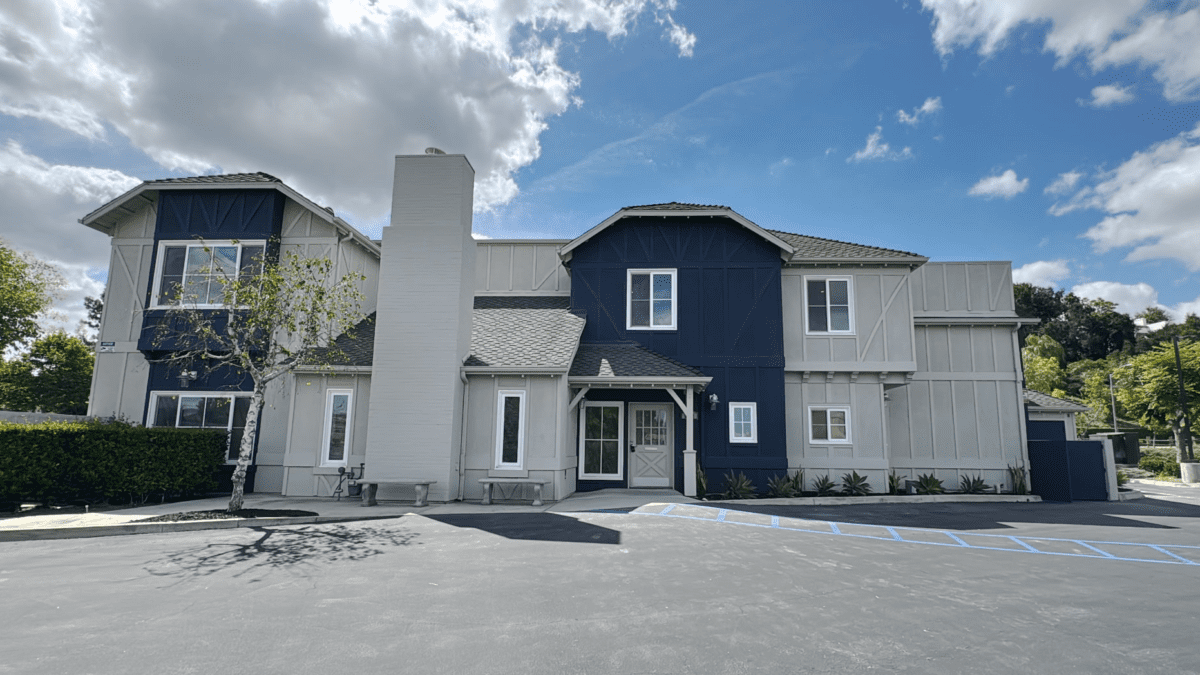

Serving Areas:
Anaheim, Atwood, Villa Park, Yorba Linda, La Jolla, Placentia, Olive, Orange, Fullerton, Santa Ana

Ages Served:
Adults and Teens
Our approach to case management
Case management at the Anaheim Hills program links every part of a client’s treatment, from intake through discharge, so appointments, medications, and referrals stay on track. A dedicated case manager reviews progress weekly, flags gaps in care early, and adjusts referrals as clinical needs shift.
Our philosophy of compassionate care
We treat case management as an ongoing partnership, not a one-time referral. Clients are kept informed at each step, and families are included when appropriate.
Clinical therapies offered
Case managers coordinate alongside individual therapy, group sessions, medication management, and psychiatric care, adjusting the mix as a client moves between levels of care.

Insurance accepted
Case management support is available through most major insurance providers, easing the financial steps of coordinating multiple providers.
Let us help you through the maze.









What is case management?
Case management is a coordinating service that connects therapy, psychiatry, medical care, and community resources into a single, organized plan.
A case manager acts as the point person, tracking appointments, benefits, and referrals so nothing gets missed as a person moves between levels of care.
Why choose Clear Behavioral Health?
In Anaheim Hills, case management is treated as active coordination, not paperwork: staff communicate directly with outside providers, follow up on referrals, and adjust plans as circumstances change.

Accessible care
Convenient, affordable, immediate, and easy to obtain

Built for you
Expert clinical care centered around your unique & evolving goals

Connected to community
Deep local support from your care team and peers, today and tomorrow
10+
Years of service
92%
Seen within 24 hours
16
Treatment Locations
50+
Care Providers
Case management programs in Anaheim Hills
Local case management pairs each client with a coordinator who works alongside their existing therapists and psychiatrists throughout treatment.






Case management experts at Clear Behavioral Health, Anaheim Hills
Our case managers bring years of hands-on experience coordinating behavioral health care, and they treat every client’s situation with patience, clear communication, and genuine follow-through.



Testimonials
Our other services
We provide mental health services for teens and adults, as well as substance use disorder treatment for adults across Los Angeles and California. Learn more about some of our featured services:

Mental health conditions we treat
No matter your mental health challenges, we’re here to help. Our expert team of psychiatrists and mental health practitioners conducts thorough clinical assessments to diagnose and treat a range of mental health conditions, including depressive disorders, anxiety disorders, mood disorders, and more.

Drug and alcohol addictions we treat
Our alcohol and drug detox and rehab programs feature a dedicated team of addiction specialists, drug and alcohol counselors, and board-certified psychiatrists providing comprehensive evaluations to diagnose and treat your addiction.
Resources



Let’s take the first step toward healing together
Frequently asked questions
How soon can someone in Anaheim Hills be paired with a case manager after their first call to Clear Behavioral Health?
After an initial call, intake begins right away, and connecting with a case manager is typically part of the early planning within the first few visits to the Anaheim Hills location.
Does the Anaheim Hills office coordinate directly with local hospitals or psychiatrists already treating a client?
Yes. Case managers routinely reach out to a client’s existing hospital contacts, psychiatrists, or outside providers to align records, medications, and next steps in care.
How does Clear Behavioral Health’s case management team work with my insurance to authorize services?
Case managers help gather the documentation insurers request and follow up on authorizations directly, and the practice accepts most major insurance providers to help ease that process.
What training or licensure do Clear Behavioral Health’s case managers hold?
Case managers are trained behavioral health professionals who work under the guidance of the clinical team; specific credentials can vary by role and are discussed during intake.
What is the difference between case management and individual therapy?
Individual therapy focuses on a therapeutic relationship and emotional or behavioral work in session, while case management coordinates the logistics around that care, such as referrals, benefits, and communication between providers.
How long does someone usually stay in case management before moving to independent follow up care?
There is no set length. Case management typically continues until care is stable and coordinated enough that a person can manage appointments, benefits, and providers with less outside support.
Can case management help coordinate care for a family member who is resistant to treatment?
Yes. Case managers can work with families to organize information, clarify next steps, and stay in contact with providers, which can make it easier to re-engage a resistant family member over time.