
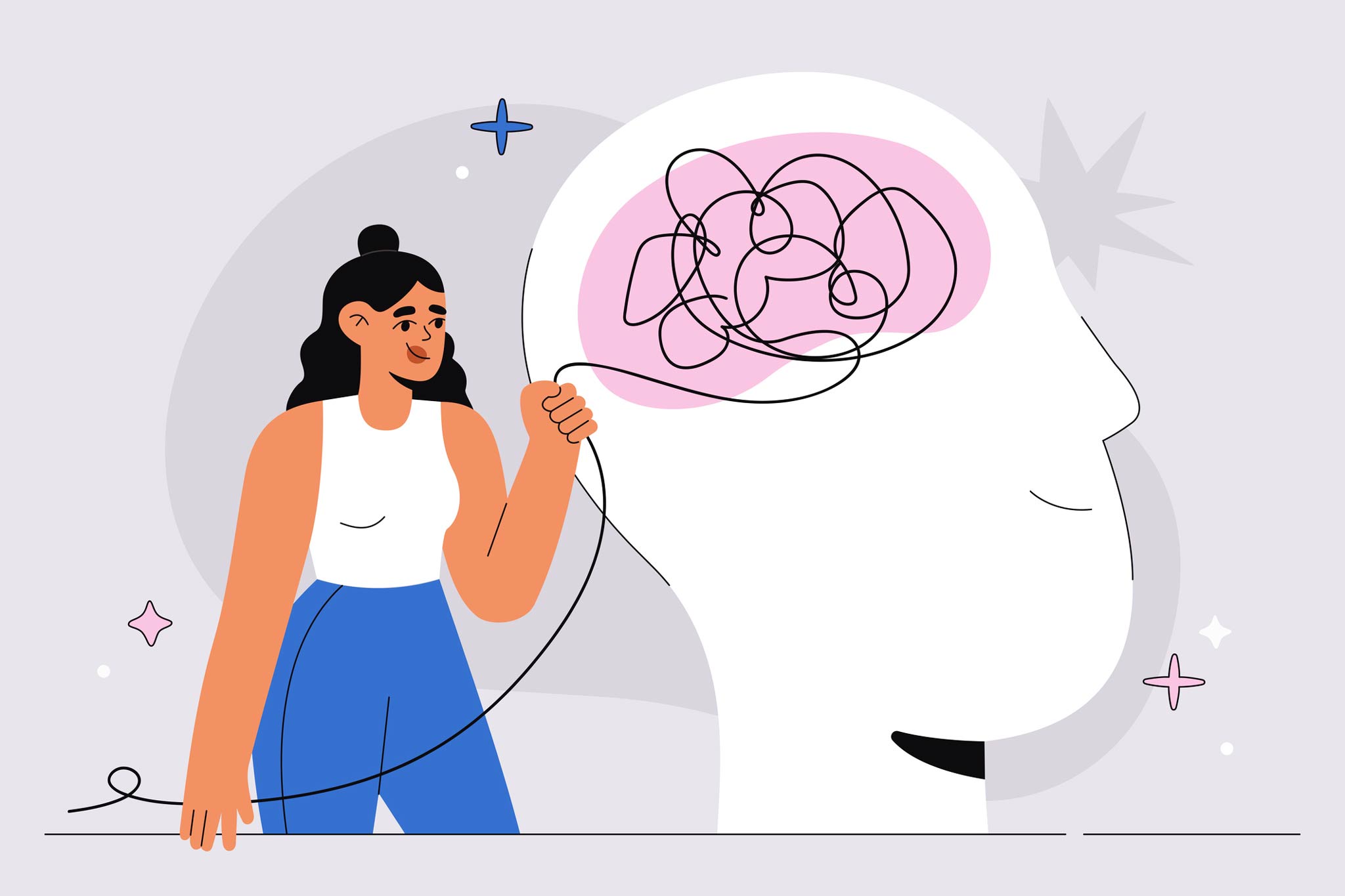
Major depressive disorder (MDD) can make everyday life feel heavy, and when you’re in it, finding a way forward can seem almost impossible. With the right support, the right tools, and a team that understands what you’re going through, you can regain clarity, stability, and a sense of yourself again.
Treatment for major depressive disorder is available, and healing is absolutely within reach. You don’t have to carry this alone. Real help is here, and you deserve care that meets you where you are.
What is major depressive disorder?
Major depressive disorder is a mood disorder (and one of the most common mental disorders), defined by the Diagnostic and Statistical Manual of Mental Disorders (DSM-5). A diagnosis usually involves experiencing a major depressive episode for at least two weeks, often marked by depressed mood, loss of interest, changes in appetite or sleep, difficulty concentrating, low energy, feelings of worthlessness, or suicidal thoughts [1].
A major depressive episode can interfere with daily functioning and lead to severe functional impairment, especially when symptoms go untreated. Some experience persistent depressive disorder, a chronic form of depression that lasts for two years or more, while others have recurrent episodes throughout their lives.
Recognizing depression symptoms early makes it easier to find the right treatment options and begin healing.
Related: What is Depression and How Can I Get Help?
You deserve support that helps you breathe again. Treatment for major depressive disorder is available whenever you’re ready to reach out.
What can trigger depressive episodes?
Depressive episodes don’t typically arise from one cause. Instead, they often develop through a combination of biological, environmental, and social factors. Some common depressive episode triggers include:
- Stressful life events, such as loss, trauma, conflict, or sudden change
- Ongoing depressed mood or worsening depressive symptoms
- Comorbid medical illnesses that affect emotional well-being
- Medical history involving previous depressive episodes or other mental illnesses
- Hormonal changes or biological vulnerabilities
- Social isolation or strained relationships
- Medication changes, substance use, or withdrawal symptoms
Understanding your triggers helps your mental health professional create an accurate diagnosis and personalized treatment plan tailored to your needs.
What is the best treatment for MDD?
While there are many treatment options for depressive disorder, research consistently shows that the best approach for moderate to severe depression is a combination treatment model: antidepressant medications plus psychotherapy [2].
Medication supports brain chemistry involved in mood and energy, while therapy helps you understand patterns, build coping skills, and work through emotional challenges. Using both together often leads to better treatment response, stronger depression outcomes, and lower relapse rates than either method alone [2,3].
Common antidepressant medications used to treat depression include:
- Selective serotonin reuptake inhibitors (SSRIs)
- Serotonin norepinephrine reuptake inhibitors (SNRIs)
- Tricyclic antidepressants
- Atypical antidepressants
- Monoamine oxidase inhibitors (used less commonly today)
Some medications may cause side effects like weight gain or withdrawal symptoms when stopped too quickly, so prescribing antidepressants should always be guided by a qualified mental health professional.
What is the most effective therapy for major depressive disorder?
Therapy is a core part of treatment for major depressive disorder, especially for mild or moderate depression. Evidence-based therapies include:
- Cognitive behavioral therapy (CBT) helps identify and shift unhelpful thinking patterns
- Interpersonal therapy (IPT) supports healthier relationships and communication
- Psychodynamic therapy uncovers the deeper emotional roots of depression
- Mindfulness-based cognitive therapy blends mindfulness with CBT skills
- Holistic therapies such as progressive muscle relaxation, meditation, and breathwork
Clinical trials show that therapy combined with antidepressant medications improves remission rates and reduces depressive symptoms more effectively than either on its own [3].
How do you treat major depressive disorder?
Treating MDD usually happens in phases, each designed to help you stabilize, strengthen, and prevent future depressive episodes [4].
1. Acute treatment
This is the initial treatment phase where the goal is to reduce major depressive symptoms and stabilize mood.
- For mild depression or mild or moderate depression, therapy alone may be effective.
- For moderate or severe depression, medication or medication plus therapy is recommended.
- For severe major depression or if other treatment methods haven’t provided significant relief, alternative treatment methods might be considered, and mental health professionals may recommend inpatient care.
2. Continuation phase
Once symptoms improve, treatment continues to prevent relapse. This may include:
- Weekly or biweekly therapy
- Continuing antidepressant medications
- Adjusting the treatment plan based on progress
- Monitoring for return of depressed mood or increased risk of future episodes
This phase is important because many depressed patients begin to feel better before the brain fully stabilizes, and stopping treatment too early increases the risk of relapse [3].
3. Maintenance phase
Long-term care helps prevent recurrence, especially for:
- Recurrent depressive disorder
- More severe depression
- Adult patients with a history of chronic episodes
- Primary care patients with risk factors such as bipolar disorder or comorbid conditions
Maintenance may involve ongoing therapy, medication management, and support for lifestyle changes. These methods have been shown to help with reducing depressive symptoms and improving long-term depression outcomes [5].
How Clear Behavioral Health supports you in treating depression
Clear Behavioral Health offers a full continuum of care so you can receive the level of support that fits your needs:
Residential Mental Health Treatment (Inpatient)
MDD symptoms are often severe enough to need an elevated treatment plan in a safe, comfortable environment. Our inpatient mental health treatment, for those experiencing severe depression or severe functional impairment, provides stabilization, medication, safety, community, and focused experts in an environment made for healing.
Related: How to Know If You Need Inpatient Depression Treatment
Outpatient Programs (PHP and IOP)
If you need more structure than weekly therapy but don’t require 24-hour supervision, our outpatient mental health treatment programs, Partial Hospitalization Program (PHP) and Intensive Outpatient Program (IOP), offer daily or multi-weekly therapy, groups, and skills-building sessions.
Virtual Intensive Outpatient Program (IOP)
If you need more support than one-on-one therapy but require flexibility or remote care, virtual IOP offers structured programming, group therapy, and evidence-based care from wherever you are.
Teen depression treatment and Teen IOP
For teens experiencing depression, our Teen Intensive Outpatient Program (Teen IOP) offers structured, age-appropriate support that goes beyond weekly therapy. Teens learn coping skills, build emotional awareness, and stay connected to school and home while receiving consistent care.
Evidence-Based, Compassionate Care
Your treatment plan may include:
- Individual therapy
- Group therapy
- Family therapy and parent support groups
- CBT, DBT, and other targeted therapies
- Holistic practices such as mindfulness, yoga, breathwork, soundbaths, and physical activity
Clear Behavioral Health also partners with Neuro Wellness Spa for psychiatry and medication management, including antidepressant medications when appropriate.
You deserve treatment that adapts to you, whether you begin at residential care and transition into outpatient programs, or start with outpatient or virtual support.
Our depression treatment programs are offered throughout the Los Angeles area, with outpatient mental health services for adults and teens in El Segundo, El Monte, Santa Clarita, Van Nuys, and Pasadena. Residential mental health care is available in Manhattan Beach and throughout Torrance, and our Virtual IOP can support anyone residing in California.
Healing from major depressive disorder requires support, and you don’t have to take the first step alone.
A path forward is possible
Major depressive disorder can feel isolating, exhausting, and overwhelming, but it is not something you have to suffer with. Whether you’re navigating your first episode or searching for long-term stability, you deserve care that supports your whole self: mind, body, and emotional well-being. With the right treatment, many people experience relief, resilience, and a renewed hope for the future. You can too. Real support is within reach. Give us a call today to learn more about our major depressive disorder treatment programs in Los Angeles.
References
- What is depression? (n.d.). https://www.psychiatry.org/patients-families/depression/what-is-depression
- Dunlop, B. W. (2016). Evidence-Based applications of combination psychotherapy and pharmacotherapy for Depression. FOCUS the Journal of Lifelong Learning in Psychiatry, 14(2), 156–173. https://doi.org/10.1176/appi.focus.20150042
- Guidi, J., & Fava, G. A. (2020). Sequential combination of pharmacotherapy and psychotherapy in major depressive disorder. JAMA Psychiatry, 78(3), 261. https://doi.org/10.1001/jamapsychiatry.2020.3650
- Depression. (n.d.). National Institute of Mental Health (NIMH). https://www.nimh.nih.gov/health/topics/depression
- Military Health System. (n.d.). Treatment for depression. https://www.health.mil/Military-Health-Topics/Centers-of-Excellence/Psychological-Health-Center-of-Excellence/PHCoE-Clinician-Resources/Depression/Treatment