

Finding the best rehab in Los Angeles for yourself or someone you love can feel emotionally heavy and logistically confusing. LA has one of the largest concentrations of treatment centers in the country, and nearly all of them claim to be the top choice.
Understanding what matters most when finding the right drug and alcohol rehab in Los Angeles, the questions most often asked, and what sets high-quality programs apart can help you make a decision. If you’re doing this research for a loved one, it’s a sign of how deeply you care, and that support alone can make a meaningful difference.
Start your recovery with a trusted drug and alcohol rehab in Los Angeles. Verify your insurance and explore treatment options today.
What is the success rate of drug and alcohol rehabs?
Success rates vary depending on the severity of the substance use disorder, the presence of mental health conditions, and the level of ongoing support. No reputable rehab can promise 100% results, but national research offers helpful context.
According to SAMHSA, those who receive structured, evidence-based treatment have significantly higher recovery rates than those who do not enter treatment at all [1]. Long-term recovery is most likely achieved when treatment includes:
- A complete continuum of care (detox to residential to outpatient to aftercare)
- Treatment for co-occurring mental health conditions
- Relapse-prevention education
- Peer and family support
What matters most is not finding a “perfect” rehab, but choosing one that delivers clinical depth, emotional safety, and continuity of care that works for you.
Related: Why 30-Day Rehab for Drugs and Alcohol is Not Enough for Long-Lasting Recovery
How do I choose a good rehab facility?
This is the heart of what you want to know when searching for the best rehab in Los Angeles. Rather than relying on advertising claims, focus on the qualities that consistently lead to better outcomes.
A strong rehab program will have:
Clinically proven addiction treatment approaches
Look for programs that rely on therapies backed by research, not trends. Effective treatment typically includes modalities like cognitive behavioral therapy (CBT), dialectical behavior therapy (DBT), motivational interviewing, and trauma-informed care. Programs with licensed clinicians, psychiatric oversight, and individualized treatment plans signal a higher level of care.
Dual diagnosis expertise
Nearly half of the people seeking treatment for drug or alcohol addiction also experience anxiety, depression, PTSD, or other mental health conditions that affect their substance use [2]. A high-quality rehab provides integrated treatment for both, without forcing you to bounce between providers.
Related: What is Dual Diagnosis?
Accreditation and ethical standards
Accreditation from organizations like The Joint Commission (JCAHO) or CARF shows that the program follows strict safety, staffing, and clinical standards.
Family support and communication
Families and loved ones play a key role in sustained recovery by providing external support. Great rehabs offer family therapy, transparent communication, and support systems that continue long after discharge.
Questions to ask a rehab center
Here are the most important questions to bring to any rehab tour or consultation:
- What levels of care do you offer?
- How experienced are your clinicians with dual diagnosis?
- How often will I meet individually with a therapist?
- How do you involve families during treatment?
- What does aftercare look like?
- Do you accept my insurance?
- What’s it like day-to-day in rehab?
- What is your policy on medication-assisted treatment when clinically appropriate?
If a facility struggles to answer clearly or avoids specifics, that’s a red flag.
Related: Guide to Addiction Treatment Rehab
How much does rehab cost in Los Angeles?
Cost is one of the biggest concerns for families searching for rehab in Los Angeles. The truth is that prices vary widely. Your cost depends on your insurance coverage, length of stay, and the type of program.
Common cost ranges in LA
- Fully covered: Depending on the substance abuse treatment center and your insurance, you might not have to pay for treatment
- Partial coverage: You could be responsible for a deductible or co-insurance payment
- Private pay: Standard residential programs may range from $1,000–$1,500 or more per day
- Luxury rehabs: High-amenity centers can exceed $50,000–$80,000 per month
Clear Behavioral Health’s insurance options
Clear Behavioral Health is in-network with most major insurance companies, which makes high-quality treatment accessible. If insurance does not cover the full cost, the admissions team works with you to create payment options that make treatment attainable without unnecessary financial strain.
Your healing starts with the right support.
Connect with a Los Angeles rehab team you can trust.
What makes Clear Behavioral Health different
Los Angeles has many treatment centers, and Clear Behavioral Health stands out because of our clinical expertise, strong reputation, and commitment to truly integrated care.
A full continuum of care
Clear offers a smooth, connected treatment experience from drug and alcohol detox to residential addiction treatment, to outpatient substance abuse care, and long-term aftercare. This allows you to move through recovery at a pace that matches your needs without losing support.
Integrated mental health and dual diagnosis support
Addiction rarely exists in isolation. Whether you’re dealing with anxiety, trauma, depression, ADHD, or mood-related symptoms, Clear’s clinicians provide integrated treatment that addresses the full picture.
Experienced and compassionate staff
- Licensed therapists
- Psychiatrists and medical professionals
- Certified addiction counselors
- Family therapists
- Case managers focused on long-term planning
We’re proud of our team’s dedication to offering compassionate, patient, and personalized care. Our staff works tirelessly to support each individual’s growth, fostering a safe and encouraging environment where progress is celebrated every step of the way.
Evidence-based, personalized treatment
Individualized treatment plans blend evidence-based therapy, family involvement, holistic support, and relapse-prevention planning. No two clients receive the same plan because no two people have the same story.
Insurance-friendly options
By remaining in-network with most major insurance providers, Clear ensures that you have access to high-quality care without the overwhelming costs often associated with LA-based treatment.
Convenient Locations Across Los Angeles for Every Stage of Care
Clear Behavioral Health provides accessible treatment options throughout the South Bay and Greater Los Angeles, making it easier to receive consistent support close to home. Our network includes drug and alcohol detox in Redondo Beach, drug rehab in Gardena, and outpatient addiction treatment throughout the South Bay.
These convenient locations allow you or your loved one to stay connected to clinical support while rebuilding routines, maintaining work or school commitments, and staying close to family. No matter where you are in your recovery journey, you’ll have a trusted Clear Behavioral Health program nearby.
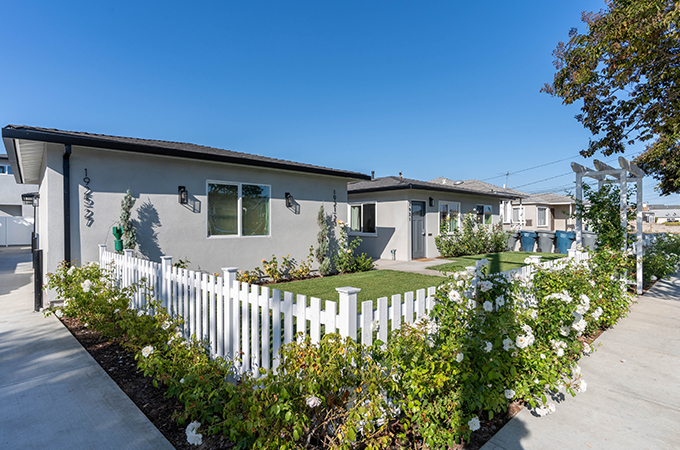
Take a look at our premium rehabs in Los Angeles, CA





You Don’t Have to Make This Decision Alone
Searching for the best rehab in Los Angeles can feel like too much pressure during an already painful time. You want answers, you want honesty, and you want to know that the program you choose will truly support you.
Clear Behavioral Health is here to help you navigate those decisions with compassion, experience, and clinically backed care. You’re not alone. The path forward is closer than it feels. Whether you’re ready to begin addiction treatment or you’re just gathering information, reach out today to take the first step toward real healing.
References
- Substance Abuse and Mental Health Services Administration. (2025). Key substance use and mental health indicators in the United States: Results from the 2024 National Survey on Drug Use and Health (HHS Publication No. PEP25‑07‑007, NSDUH Series H‑60). Center for Behavioral Health Statistics and Quality, Substance Abuse and Mental Health Services Administration. https://www.samhsa.gov/data/data‐we‐collect/nsduh‐national‐survey‐drug‐use‐and‐health/national‐releases
- National Institute on Drug Abuse (NIDA). (2018). Common Comorbidities with Substance Use Disorders. https://nida.nih.gov/sites/default/files/1155-common-comorbidities-with-substance-use-disorders.pdf
- Finding help for Co-Occurring substance use and mental disorders. (n.d.). National Institute of Mental Health (NIMH). https://www.nimh.nih.gov/health/topics/substance-use-and-mental-health
- UCLA Integrated Substance Use and Addiction Programs (ISAP). (n.d.). https://uclaisap.org/