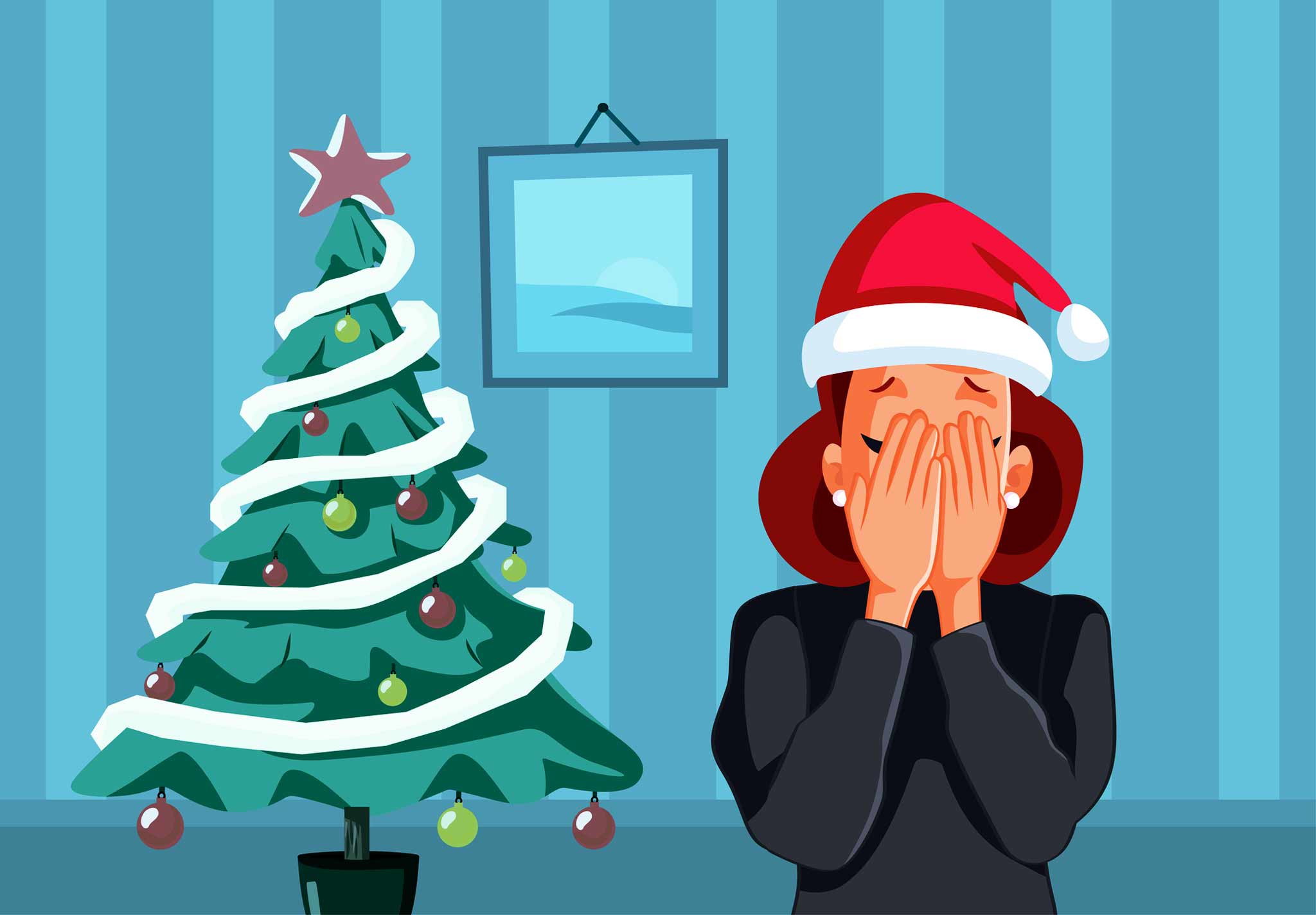
As much as the holiday season brings moments of connection and celebration, it can also stir up feelings of holiday blues, stress, and heaviness that are difficult to navigate. You’re not alone if you notice mood changes, sadness, or anxiety creeping in this time of year. Many people feel overwhelmed by family dynamics, financial pressure, social gatherings, disrupted sleep patterns, or the weight of unrealistic expectations about how the holidays “should” feel.
The truth is that these emotional shifts are common, and they’re valid. Understanding why they happen and learning how to take care of yourself can make the difference between barely getting through the holidays and learning to enjoy and look forward to them each year.
What does having holiday blues mean?
The holiday blues are described as a temporary increase in sadness, anxiety, or stress that can show up during the holiday season. This isn’t the same as clinical depression, but the emotional toll can still feel heavy. You may feel sad, irritable, withdrawn, tired, or overwhelmed, especially if you’re juggling family dynamics, financial worries, or complicated memories from a previous year.
Researchers note that people tend to feel more pressure during November and December, often because of increased obligations, disrupted routines, and the pressure to create holiday cheer that may not match what’s happening internally [1].
These feelings often ease once your normal routine returns, but that doesn’t mean they’re easy to ignore while you’re in them.
Caring for your mental well-being matters — especially during the holidays. Support is here when you need it.
Why do the holidays affect mental health?
The holidays can intensify emotions for several reasons:
- Unrealistic expectations about what the holidays “should” look like
- Remembering difficult moments from a previous year
- Other challenging emotions tied to grief, loss, conflict, or loneliness
- Pressure around gift giving, financial strain, or stretched schedules
- Disrupted sleep patterns and trouble sleeping
- Increased holiday stress, which raises overall stress levels
Even those who typically cope well may find themselves feeling depressed or anxious because of the impact of these expectations. Whether it’s the highs, the lows, or everything in between.
Why are holidays so triggering?
Holidays can stir up old emotional wounds, highlight complicated relationships, or make you feel isolated when everyone else appears joyful. Negative feelings can also come from comparing yourself to others, feeling overstimulated, or trying to meet unrealistic expectations set by family, social circles, or tradition.
If you’re already navigating a mood disorder, anxiety, or another mental illness, holiday-related stress can make your symptoms feel more intense. You may have difficulty concentrating, irritability, pessimistic feelings, or a lack of motivation. These other symptoms are signals that you may need a little extra care and support during this time.
What is holiday depression?
Holiday depression describes more intense and persistent sadness that lasts longer than typical holiday blues. While holiday blues are temporary feelings of sadness, holiday depression depression is persistent, unrelenting, and can interfere with daily life and may reflect an underlying mental health condition such as Major Depressive Disorder (MDD).
If symptoms or feelings persist beyond the holiday season (especially if you’re withdrawing from loved ones, feeling depressed most days, or struggling with motivation), reaching out to a mental health professional or healthcare provider for guidance can help you gain the tools to overcome these symptoms. Depression treatment options, including talk therapy, medication, and structured support, can help you feel understood and supported.
Related: What is Depression and How Can I Get Help?
What is holiday anxiety?
Holiday anxiety often shows up as worry, fear of letting others down, overstimulation, or feeling pulled in too many directions. Social gatherings, travel, finances, and family expectations can all contribute to rising anxiety during the fall and winter months.
Some people experience physical signs and symptoms of anxiety, like increased heart rate, irritability, or tension. Others notice racing thoughts or difficulty relaxing. With the right coping strategies and support, this anxiety can be managed and eased.
Related: What is Anxiety?
What is holiday stress?
Holiday stress includes the emotional, physical, and mental strain that builds during the holiday season because of increased responsibilities, family expectations, disrupted routines, and financial pressure. It often overlaps with anxiety and the holiday blues, further impacting your mental well-being.
You might feel pulled in many directions or worry about disappointing others. Giving yourself space to slow down, set realistic goals, and prioritize what matters most can help protect your well-being during the busiest time of year.
How long do the holiday blues last?
Holiday blues generally last for the duration of the holiday season and often fade once life settles back into your normal routine. If these feelings continue into the winter months, or if your symptoms match those of depression, it may be something more than temporary holiday sadness.
When feelings persist, checking in with a mental health professional can help clarify what’s going on beneath the surface.
What is seasonal affective disorder?
If you recognize that your mood regularly drops in the late fall, early winter, or during the fall and winter months, you might be experiencing seasonal affective disorder (SAD). This is a type of mood disorder with a recurrent seasonal pattern. It’s linked to less sunlight, disrupted circadian rhythms, and shifts in serotonin and melatonin. Research studies show that reduced daylight can trigger sad symptoms, fatigue, low motivation, and changes in appetite or sleep [2].
There are two main types:
- Winter pattern SAD, the most common
- Summer pattern SAD, which is less common
Some people simply call it winter blues, but SAD is more than that. It’s a form of clinical depression that follows a predictable pattern each year.
Treatments may include:
- Light box therapy (phototherapy)
- Vitamin D supplements
- Talk therapy
- Medication
- Healthy sleep patterns
- Intentional time outdoors, even on cloudy days
If you think you may have seasonal depression or SAD, reaching out for support can help bring clarity and direction.
Do depression rates rise during the holidays?
It’s a common belief that depression rates spike during the holidays. Research suggests the picture is more complex: while suicide rates do not increase during December, depression, anxiety, stress, and holiday sadness often intensify for many people because of emotional triggers and seasonal changes [1,3].
The combination of holiday-related stress, disrupted routines, lower sunlight exposure, and complicated family dynamics can make the season feel heavier, especially if you’re dealing with pre-existing mental health conditions.
How to stay mentally healthy during the holidays?
There are practical ways to support your mental well-being this season. Consider these holiday mental health tips for a leg up on the potential holiday blues:
1. Set realistic expectations
Let go of the pressure to make everything perfect. Try to set realistic expectations for yourself and your loved ones. This helps reduce unnecessary stress and avoids emotional burnout.
2. Create new traditions
If old traditions bring up sadness or negative emotions, give yourself permission to create new traditions that feel meaningful and grounding.
3. Prioritize self-care
Self-care isn’t inherently selfish. More so, it’s an essential part of making sure you’re able to be present and in the moment. That might mean stepping outside for fresh air, taking breaks from social gatherings, practicing mindfulness, or noticing when you need quiet time to reset.
Related: Why Self Care is Essential for Mental Health
4. Spend time intentionally
Choose to spend time with the people who help you feel supported. Protecting your energy is a powerful way to stay positive and steady.
5. Keep alcohol use in check
The holidays can come with more excessive drinking, which can worsen mood changes, disrupt sleep, and contribute to unplanned weight changes. Staying mindful about alcohol helps protect your mental health.
6. Reach out if feelings persist
If you continue to feel sad, overwhelmed, or emotionally drained well after the holidays, or you notice a significant change in your daily life, it’s important to check in with a mental health professional or healthcare provider.
If you’re struggling this season, support is available — you don’t have to navigate the holidays on your own.
How Clear Behavioral Health can support you during the holidays
If the holiday season intensifies depression, anxiety, or emotional overwhelm, Clear Behavioral Health is here to help you feel supported, grounded, and understood. Our mental health services throughout Los Angeles include multiple levels of care so you can receive the right support for what you’re experiencing.
We offer:
- Residential mental health treatment for more severe mental illness or mood disorders
- Outpatient (PHP and IOP) mental health programs with evidence-based therapies
- Virtual IOP for flexible and accessible support when you need more structure than one-on-one therapy
- Teen mental health treatment (IOP) for adolescents struggling during the holiday season
Your care includes individual therapy, group therapy, CBT, DBT, mindfulness, yoga, breathwork, soundbaths, physical activity, and supportive holistic options that help you build resilience at our treatment centers in El Segundo, Van Nuys, El Monte, and all throughout the Los Angeles area.
Whether you’re dealing with holiday blues, holiday depression, or seasonal affective disorder, you deserve care that meets you where you are (especially during the holidays).
References
- National Alliance on Mental Illness. (2024, February 9). Mental health and the Holiday blues | NAMI: National Alliance on Mental Illness. National Alliance on Mental Illness (NAMI). https://www.nami.org/press-releases/mental-health-and-the-holiday-blues/
- Seasonal affective disorder. (n.d.). National Institute of Mental Health (NIMH). https://www.nimh.nih.gov/health/publications/seasonal-affective-disorder
- Fact or fiction: Suicides increase during the holiday season and winter months | Blogs | CDC. (2014, January 10). https://blogs.cdc.gov/nchs/2014/01/10/1121/