
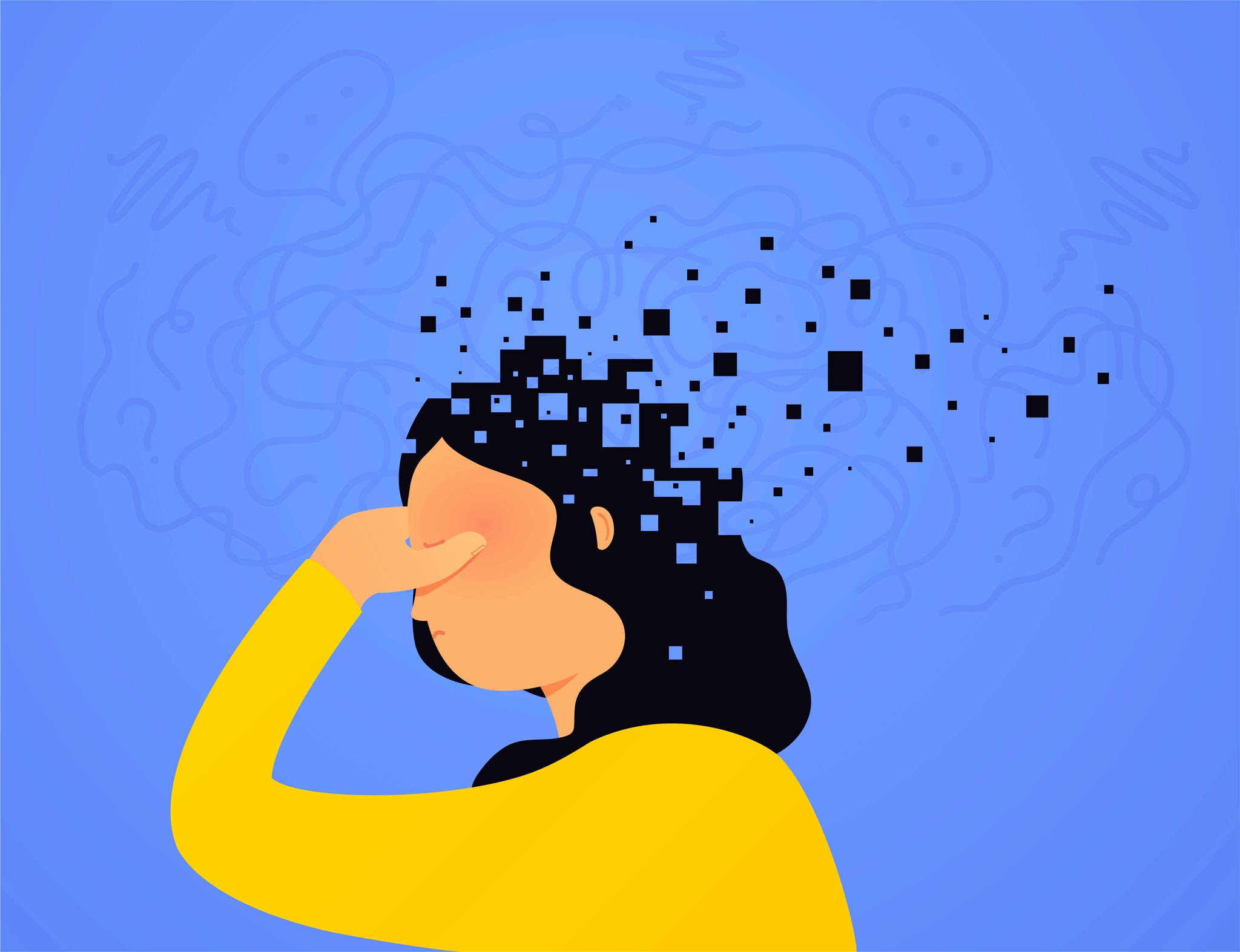
Living with schizoaffective disorder can feel confusing and overwhelming, especially when symptoms affect both your mood and your sense of reality. This complex mental illness blends features of mood disorders, such as depression or bipolar disorder, with psychotic symptoms like hallucinations or delusions. Due to this overlap, it’s often misunderstood and can be difficult to diagnose accurately [1,2].
If you’re navigating symptoms yourself or supporting a family member, understanding what schizoaffective disorder is, how it shows up, and what support can look like can help you feel less alone and more empowered. With the right care and structure, many people find ways to manage symptoms and regain stability.
If mental health symptoms feel intense or disruptive, connecting with experienced professionals can be an important first step toward support and stability.
What is schizoaffective disorder?
Schizoaffective disorder is a psychiatric disorder recognized in the Diagnostic and Statistical Manual of Mental Disorders (DSM-5) [1]. It’s diagnosed when you experience both psychotic symptoms and mood episodes, and when psychosis occurs independently of mood symptoms for a period of time.
In simple terms, schizoaffective disorder sits at the intersection of schizophrenia and mood disorders. This overlap is what makes it distinct from schizophrenia or bipolar disorder alone [2].
To diagnose schizoaffective disorder, a mental health professional evaluates:
- The presence of hallucinations, delusions, or disorganized speech
- Ongoing mood episodes such as major depression or manic episodes
- The timing and duration of symptoms
- Whether symptoms are related to substance use, medications, or other health conditions
Because symptoms can shift over time, early diagnosis and ongoing assessment play a critical role in effective care [3].
Related: What is a Psychological Evaluation?
What are the signs and symptoms of schizoaffective disorder?
The symptoms of schizoaffective disorder can vary widely and may change in intensity over time. Many people experience a mix of psychotic symptoms and mood disorder symptoms that affect daily functioning.
Psychotic symptoms
Psychotic symptoms often resemble those seen in schizophrenia and other psychotic disorders. These may include:
- Hearing voices or seeing things that aren’t there
- Strong false beliefs that persist despite evidence
- Disorganized speech or difficulty staying on topic
- Negative symptoms, such as reduced emotional expression or social withdrawal
These symptoms can interfere with relationships, work, and cognitive functioning when left untreated [3,4].
Mood symptoms
Mood symptoms depend on the type of schizoaffective disorder diagnosed:
Depressive type symptoms may include:
- Persistent sadness or hopelessness
- Low energy or motivation
- Changes in sleep or appetite
- Suicidal thoughts
Bipolar type symptoms may include:
- Manic episodes with elevated mood or irritability
- Racing thoughts or impulsive behavior
- Periods of depression between manic phases
Many people experience symptoms that overlap or shift, which can make daily life unpredictable without structured support [2,5].
What are three signs of schizoaffective?
Three common signs associated with schizoaffective disorder include:
- Psychotic symptoms, such as hallucinations or delusions, that occur even when mood symptoms are not present
- Significant mood episodes, including depressive episodes or manic episodes
- Disorganized thinking or speech that disrupts communication or daily functioning
If you notice these patterns in yourself or a loved one, reaching out to a qualified mental health professional can help clarify what’s happening and guide next steps [3].
What triggers schizoaffective disorder?
There is no single cause or trigger for developing schizoaffective disorder. Research suggests it’s influenced by a combination of biological, psychological, and environmental factors [3].
Common risk factors may include:
- A family history of schizophrenia, bipolar disorder, or other mental disorders
- Differences in brain structure or brain chemistry
- High levels of stress or traumatic experiences
- Substance abuse or taking mind-altering drugs that increase the risk of drug-induced psychosis
Understanding your personal risk factors and symptom patterns can help you and your care team identify strategies to reduce worsening symptoms and support long-term stability [4].
Is schizoaffective a serious mental illness?
Yes, schizoaffective disorder is considered a serious mental illness due to the presence of severe symptoms that can affect thinking, mood, and behavior. Without appropriate care, symptoms may interfere with work, relationships, and self-care [3,5].
That said, serious does not mean untreatable. With structured care, many people experience improved quality of life, better emotional regulation, and stronger coping skills over time.
Related: How to Help a Loved One Experiencing Severe Mental Illness or a Crisis
What does untreated schizoaffective disorder look like?
When schizoaffective disorder goes untreated, symptoms often become more disruptive and harder to manage. You might notice:
- Increasing social isolation
- Difficulty maintaining daily routines
- Worsening psychotic or mood symptoms
- Greater risk of substance use disorder
- Increased suicidal thoughts
Untreated symptoms can strain relationships and increase emotional distress, which is why consistent care and early intervention matter [3].
What is the best medication for schizoaffective disorder?
There is no single medication that works best for everyone with schizoaffective disorder. Medication plans are highly individualized and depend on the symptoms you experience most often [2,6].
Antipsychotic medications
Antipsychotic medications are commonly used to help reduce hallucinations, delusions, paranoia, and disorganized thinking. By easing psychotic symptoms, these medications can help you feel more grounded and better able to engage in therapy and daily life [3,6].
While paliperidone is the only FDA-approved medication specifically for schizoaffective disorder, other antipsychotics are frequently used based on symptom presentation and clinical judgment [6].
Mood stabilizers
Mood stabilizers may be recommended when mood episodes (particularly manic episodes) are present. These medications help smooth emotional highs and lows, reducing mood instability and supporting emotional regulation over time [2,3].
Antidepressants
When depressive symptoms are prominent, antidepressants may be used alongside other medications. These can help improve energy, motivation, sleep, and overall mood when depression is part of the clinical picture [6].
Medication is most effective when carefully monitored and combined with therapeutic support rather than used alone.
What is the best treatment for schizoaffective disorder?
The most effective approach to schizoaffective disorder treatment typically involves a combination of medication, therapy, structure, and long-term support [3,5].
Individual therapy
Individual therapy helps you understand your symptoms, identify early warning signs, and develop coping skills to manage stress, emotions, and distorted thinking patterns. Evidence-based approaches such as CBT and DBT are often used to support emotional regulation and problem-solving [5].
Group therapy
Group therapy provides connection and reduces isolation by allowing you to share experiences with others navigating similar mental health conditions. Structured group settings can also support communication skills and emotional expression [5].
Family therapy and education
Family therapy helps loved ones understand symptoms, boundaries, and communication strategies. When family members feel informed and supported, home environments are often more stable and less stressful [3].
Residential mental health support
When symptoms feel overwhelming or difficult to manage safely, a mental health residential program can provide structure, consistency, and 24/7 support. Residential care allows you to step away from daily stressors and focus on stabilization, therapy, and skill-building in a supportive environment.
At Clear Behavioral Health, our mental health residential programs support clients experiencing complex mental health symptoms through individualized programming. Care may include individual therapy, group therapy, family therapy, CBT, DBT, parent support groups, and holistic approaches such as mindfulness, yoga, breathwork, soundbaths, and physical activity. We also partner with Neuro Wellness Spa to coordinate psychiatric care and medication management when clinically appropriate.
You deserve care that meets you where you are. If symptoms are difficult to manage on your own, reach out to our experienced mental health professionals who can help you explore treatment options.
Moving forward with support
Living with schizoaffective disorder, or supporting someone who is, can feel isolating, but meaningful support is available. With the right treatment plan, structure, and professional guidance, many people find ways to manage symptoms and build a more stable, fulfilling life.
Reaching out for help is not a sign of failure. It’s a step toward clarity, safety, and healing. Contact our team today to learn more about your treatment options. Our residential mental health programs are conveniently located near Los Angeles, with home-like locations in Torrance, Manhattan Beach, and the South Bay. We’ll be with you every step of the way on your journey to lasting mental wellness.
References
- DSM. (n.d.). https://www.psychiatry.org/psychiatrists/practice/dsm
- Schizoaffective disorder. (2025, March 12). Yale Medicine. https://www.yalemedicine.org/conditions/schizoaffective-disorder
- Wy, T. J. P., & Saadabadi, A. (2023, March 27). Schizoaffective disorder. StatPearls – NCBI Bookshelf. https://www.ncbi.nlm.nih.gov/books/NBK541012/
- National Alliance on Mental Illness. (2025, December 19). Schizoaffective Disorder | National Alliance on Mental Illness (NAMI). National Alliance on Mental Illness (NAMI). https://www.nami.org/About-Mental-Illness/Mental-Health-Conditions/Schizoaffective-Disorder/
- Mental Health America. (2025, March 5). Schizoaffective Disorder | Mental Health America. https://mhanational.org/conditions/schizoaffective-disorder/
- Schizoaffective disorder – Diagnosis and treatment – Mayo Clinic. (n.d.). https://www.mayoclinic.org/diseases-conditions/schizoaffective-disorder/diagnosis-treatment/drc-20354509