

Xanax Addiction Treatment in Los Angeles, California
Get support for Xanax addiction
Xanax is a medication from the benzodiazepine class, commonly prescribed for the treatment of anxiety disorders and panic disorders.
While it is effective in managing these conditions, it also carries a significant risk of dependency. If you have developed a dependency, discontinuing the use of Xanax can be extremely difficult and even dangerous if stopped abruptly without proper medical supervision.
Understanding how Xanax dependency develops and knowing how to seek help are crucial steps in recovery.
Xanax addiction treatment at Clear
At Clear Behavioral Health, we offer a comprehensive approach to Xanax addiction treatment. We understand that addiction affects not only physical health but also mental and emotional well-being.
Our programs are designed to address all aspects of addiction, ensuring you receive the care, support, and treatment options needed for long-term recovery.

Xanax addiction assessment
Before starting treatment, our clinical team performs a comprehensive assessment to evaluate the severity of your Xanax addiction and determine the most appropriate level of care.
This personalized approach ensures the best chance of lasting recovery by addressing your specific challenges and symptoms of Xanax abuse.
Our locations



Our residential rehab for Xanax addiction
We offer our detox and rehab programs in a home-like treatment facility to provide the time and space you need to build a solid foundation in sobriety.
Residential rehab
When Xanax addiction disrupts daily life—affecting work, relationships, and self-care—our residential program provides intensive support in a safe, structured environment.
With 24/7 clinical supervision, access to our detox program, and a supportive community, residential treatment offers a secure space to manage Xanax withdrawal symptoms, focus on healing, and regain control of your life.
Safely detox from Xanax
Detoxing from Xanax can be physically and emotionally challenging. Our medically supervised detox program ensures that patients receive constant care and monitoring throughout the detox process.
Our clinical staff will assist with managing Xanax withdrawal symptoms through medication and therapeutic support, making the detox process safer and more manageable.
Partial Hospitalization Program (PHP) & Intensive Outpatient Program (IOP)
When you don’t require residential care, or are transitioning from it, or are looking for a more elevated level of care than a weekly therapy session, our PHP and IOP programs offer structured support while allowing you to maintain certain aspects of your daily routine.
Both programs include one-on-one and group therapy sessions with medication management where needed, case management sessions on an individual and group level, and our holistic therapy. Our outpatient treatment programs allow a more flexible schedule to live at home while attending the program during the day or evening and provides a community of mentors, relapse prevention education, personalized assessments, and holistic healing methods, and our PHP and IOP treatments ensure sustainable mind-body wellness.

PHP Includes:
90 days of treatment | 5 days per week | 6 hours per day
Monday through Friday

IOP Includes:
6-8 weeks of treatment | 3 days a week | 3 hours per day
This option works with your schedule, Monday through Friday
What to expect with our PHP and IOP programs
Depending on the level of care that best suits your needs, you may begin with our Partial Hospitalization Program (PHP) and transition to the Intensive Outpatient Program (IOP), or begin directly at the IOP level.
Wherever your journey begins, after completing your treatment, you’ll become part of our supportive alumni community, offering encouragement and inspiration to others on their path to wellness. Our programs are carefully designed to include individual and group therapy, comprehensive case management, holistic treatments, and medication management. This integrated approach ensures a treatment plan that promotes healing at every stage. These programs include:

Individual therapy
Weekly sessions with a therapist to help you explore the underlying causes of your condition, identify your triggers, and develop coping strategies to last a lifetime.

Medication management
If necessary, our clinicians will prescribe and monitor medications to manage your condition symptoms and support wellbeing.

Case management
Weekly case management meetings will help you to develop life skills, build healthy daily routines, and support reintegration into your daily life.

Group therapy
Daily group therapy sessions help you to build a supportive network of peers and explore therapeutic techniques like CBT, mindfulness and art therapy.

Holistic groups
Yoga, meditation, sound baths, and other holistic therapies are practiced daily to restore balance between your mind and body.
We are in-network.
Learn more about your coverage options:














Our virtual/online IOP
For those maintaining sobriety from Xanax but still in need of mental health support, our virtual IOP offers flexible, convenient care. Available across California, this program delivers the same high-quality treatment as our in-person options through secure online software, allowing you to continue your recovery journey from the comfort of home.
Our virtual Intensive Outpatient Program (IOP) provides the same evidence-based therapies as our in-person IOP programs.
Our subtance use treatment programs




What is Xanax?
Xanax (Alprazolam) is a benzodiazepine medication primarily prescribed to treat anxiety, panic attacks, and stress disorders. It works by affecting chemicals in the brain to produce a calming effect, which can help reduce symptoms of anxiety.
While it is effective when used as prescribed, it can become addictive when used over time or in higher-than-recommended doses. This addiction can develop gradually and may initially seem harmless, but over time, individuals may find themselves relying on Xanax not only for its intended effects but as a coping mechanism for stress, trauma, or other emotional struggles.
The development of Xanax addiction
In the beginning, Xanax may seem like a useful way to manage anxiety and panic attacks. However, with repeated use, the body builds tolerance to the drug, meaning the same dose no longer provides the desired effect. As a result, individuals may start increasing their dose to achieve the same relief, unknowingly progressing toward dependency.
This physical dependence can become dangerous when people begin to seek and obtain Xanax from other sources, such as street purchases that are often blended with fentanyl and increase the likelihood of overdose.
As tolerance grows, withdrawal symptoms can become severe, including anxiety, restlessness, and seizures. These symptoms make quitting without professional help extremely challenging and potentially dangerous, leading many individuals to feel trapped in their benzodiazepine addiction.

Get treated for Xanax addiction today
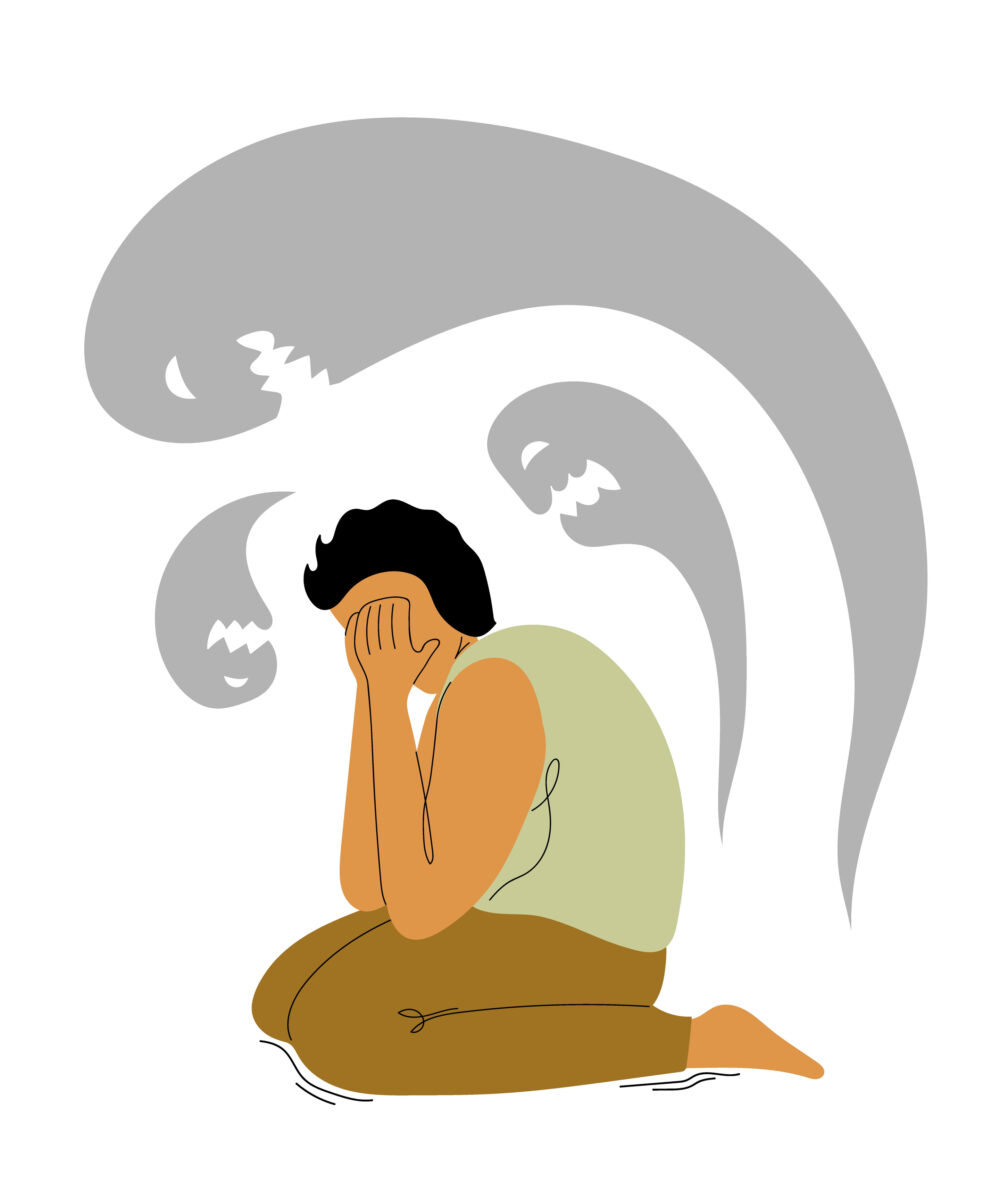
Signs and symptoms of Xanax addiction
Addiction to Xanax can manifest through both physical and behavioral changes. Common signs of substance abuse and Xanax addiction include:
- Loss of Control: Difficulty stopping or controlling the use of Xanax, even when it begins to cause negative consequences.
- Increased Tolerance: A need to take higher doses of Xanax to achieve the same effect, due to the body’s adaptation to the drug.
- Physical Dependence: Experiencing withdrawal symptoms when attempting to stop, such as anxiety, irritability, and in severe cases, seizures.
- Secretive Behavior: Hiding or lying about Xanax use or going to great lengths to obtain more of the drug.
- Neglecting Responsibilities: Prioritizing Xanax use over important aspects of life, such as work, relationships, or personal care.
- Mood Swings: Increased mood swings, irritability, or depressive episodes, often linked to the drug’s effects or withdrawal.
- Social Isolation: Withdrawing from friends, family, and activities that once brought joy, in favor of spending time with the drug.
- Physical Signs: Xanax abuse may be disguised as tiredness due to its sedative effects. Sleeping at odd times, acting incoherently, and respiratory depression are important to look out for. Xanax overdose is rare but can occur.
Different types of Xanax
Xanax is available in several formulations, including immediate-release tablets, extended-release tablets, and oral solutions. These variations can affect the intensity and duration of the drug’s effects:
- Xanax Immediate-Release: This is the most common form of Xanax and is designed to work quickly, providing rapid relief from anxiety or panic. However, it also carries a higher risk of addiction due to its fast onset and short duration of action.
- Xanax XR (Extended-Release): This formulation releases the drug more slowly into the bloodstream, designed for longer-lasting relief of anxiety symptoms. While it may have a lower immediate addiction risk, it still carries a significant potential for dependency if used improperly.
- Xanax Bars: These are higher-dose versions of the drug, often sold illegally on the street. They are typically broken into smaller pieces for recreational use and pose an even greater risk of overdose and addiction. Illicit Xanax is often laced with other drugs including fentanyl, which can lead to a fatal drug overdose.
Xanax addiction treatment in Los Angeles
The first step in recovery from Xanax addiction is recognizing the need for help. The stigma surrounding addiction can make it difficult to seek support, but it’s essential to understand that addiction is a medical condition, not a moral failing.
You may feel isolated in your struggle, believing that you are fighting alone. However, reaching out for help is the most important step towards recovery. The support of healthcare providers, therapists, and addiction specialists can provide the tools needed to manage cravings, withdrawal symptoms, and emotional turmoil associated with Xanax dependency.
At Clear Behavioral Health, we offer a comprehensive approach to Xanax addiction treatment. We understand that addiction affects not only physical health but also your mental and emotional well-being.
Our programs are designed to address all aspects of addiction, ensuring that you receive the care, support, and treatment options needed for long-term recovery.

Learn more about our Xanax addiction treatment programs
Our other services
We provide the full spectrum of mental health services and addiction treatment for teens and adults including the treatment of PTSD, depression, anxiety, bipolar disorder, drug and alcohol addiction, and more. Learn more about our services:






Addiction resources
-

Why Do I Keep Relapsing? Understanding Relapse and How to Prevent It
Why do people relapse on drugs or alcohol? Understand the emotional, mental, and physical stages of relapse and how to…
-
How to Stay Sober: Strategies for Long-Term Recovery
Recovery is a journey, not a destination, and getting sober is hard, but staying sober is harder! We can help…
-

Can You Have Your Phone in Rehab? Common Rules and Guidelines of Inpatient Treatment
Can you have your phone in rehab? Understand phone policies, how rehabs support you, and how to stay connected safely…
View our complete archive of resources from our expert contributors:
Frequently asked questions
Read through our FAQ for any questions you may have or give us a call today. We are here to answer your questions and support you or your loved one through their healing journey.
What is the first step toward getting treatment for Xanax addiction?
Recognizing a Xanax addiction and deciding to seek help is a brave and essential first step toward recovery. While it may feel overwhelming, this choice opens the door to the treatment and support needed to reclaim your life.
Our Xanax addiction treatment program is in-network with most insurance providers, making compassionate care and essential resources accessible as you begin your healing journey.
How long is the inpatient detox and rehab treatment for Xanax addiction?
Our detox and residential rehab program for Xanax addiction typically involves 2–4 weeks of inpatient care, offering comprehensive support to guide you on your recovery journey. This program includes medically supervised Xanax detox services to ensure a safe and closely monitored withdrawal process.
Throughout treatment, you’ll engage in daily group and holistic therapy with peers while working one-on-one with a dedicated therapist and case manager. Together, we’ll help you build essential life and coping skills to support lasting healing and long-term sobriety.
What type of drug is Xanax?
Xanax is a benzodiazepine medication prescribed by a medical provider. Commonly used to treat mental health disorders such as anxiety, panic attacks, and insomnia, its sedative effects cause it to have a high risk of addiction and abuse.
Contact Us
For more information about our services, to schedule a tour, or to find out if your treatment is covered by your health insurance, contact our expert clinical team today by completing this form.