
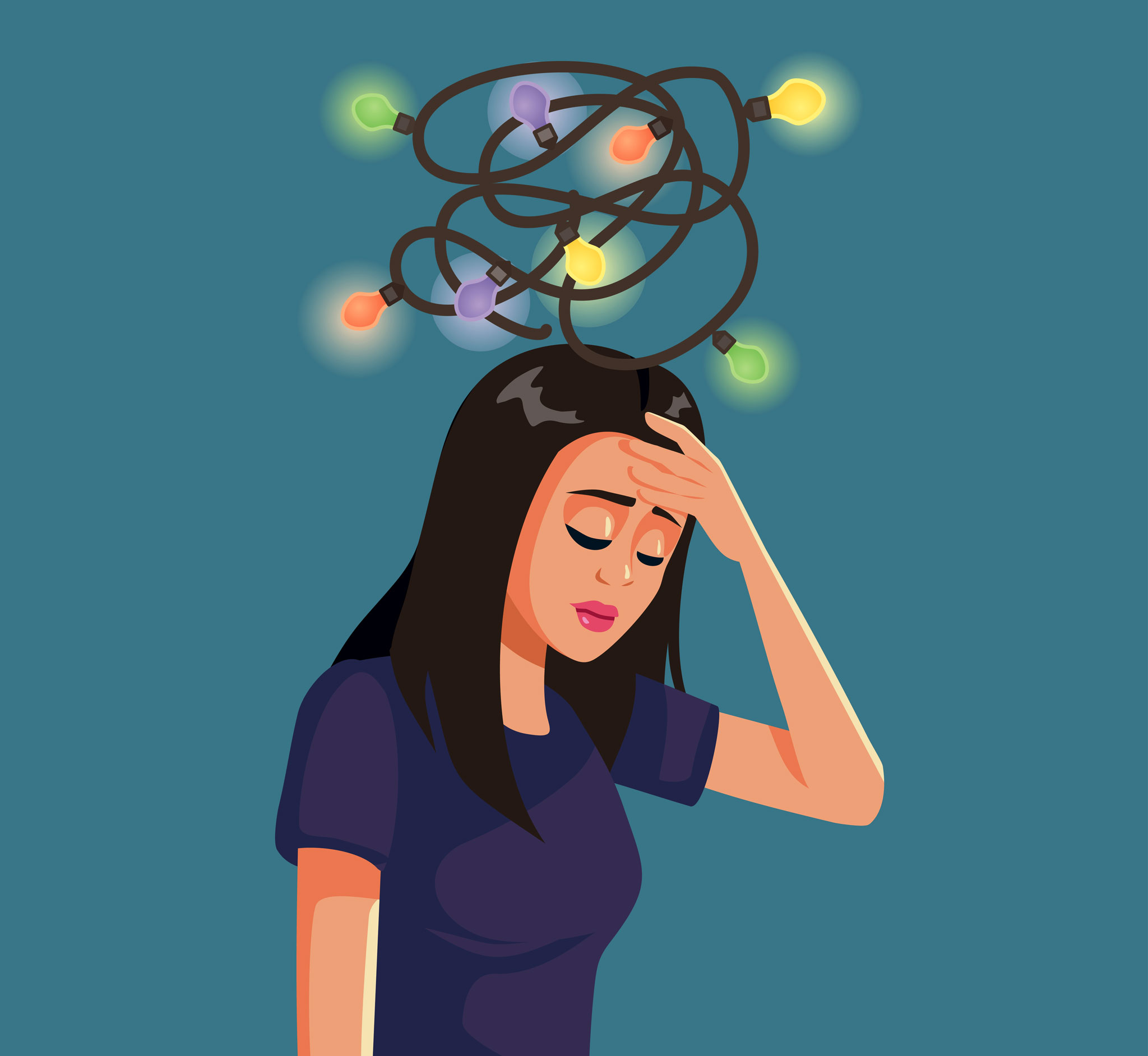
The holiday season is often framed as a time of joy, connection, and celebration. For many people, it brings added pressure, emotional weight, and a long list of expectations that can be difficult to manage. Between family obligations, gift giving, spending money, and social commitments, it’s easy to lose sight of your own well-being.
If you feel stressed during the holidays, you’re not alone. Research consistently shows that nearly half of adults report increased stress during the holiday season, often tied to finances, family dynamics, and the pressure to make everything feel meaningful and fun [1]. Holiday stress deserves attention because it is real, common, and valid.
What is holiday stress?
Holiday stress is the emotional, mental, and physical strain that can build when seasonal demands outweigh your capacity to cope. It often shows up when routines are disrupted, expectations increase, and personal boundaries are tested all at once.
You might notice that stress during the holidays feels different than usual stress. It can be more intense, more emotional, and more closely tied to memories, traditions, and relationships with loved ones. For some, it’s an acute reaction that fades once the season passes. For others, it can linger and affect mental health well beyond the holidays [2].
If holiday stress feels heavier than expected, support is available. Reach out today to take the first step toward relief.
Can holidays trigger stress?
Yes. Even people who typically manage stress well can feel overwhelmed during the holiday season. The combination of packed schedules, financial pressure, changes in sleep, increased alcohol use, and emotionally charged family interactions can strain your mental and physical health [1,3].
Seasonal changes also play a role. Shorter days and reduced sunlight can affect mood and energy levels, increasing the risk of depression or anxiety during the winter months [5]. When these factors overlap, it becomes harder to rest, focus, and feel grounded.
Signs and symptoms of holiday stress
Holiday stress doesn’t always announce itself clearly. Sometimes it builds quietly and shows up in subtle ways. You might notice changes in your mood, body, or behavior that feel out of character for you.
Common signs include:
- Feeling overwhelmed or on edge more often than usual
- Trouble sleeping or feeling unrested even after a full night’s sleep
- Headaches, muscle tension, or stomach discomfort
- Irritability, sadness, or emotional numbness
- Withdrawing from friends or family
- Relying more on alcohol or comfort food to cope
These signals are your body’s way of responding to prolonged stress. Paying attention to them early can help you respond with care instead of pushing through until burnout sets in.
Why do the holidays affect your mental health?
There isn’t a single reason why the holidays affect mental health or lead to stress. It’s usually the result of several pressures converging at once.
Expectations and comparison
The holidays come with strong ideas about how things are supposed to feel. When reality doesn’t match those expectations, it can create disappointment, guilt, or sadness, especially if you’re comparing your experience to others.
Financial stress
Spending during the holidays adds up quickly. Worries about gifts, travel, food, and whether you have enough money can significantly increase stress and anxiety [1].
Related: Financial Stress Over the Holidays
Family dynamics
Spending extended time with family members can bring unresolved tension, old patterns, or family conflicts to the surface. Even loving relationships can feel strained under pressure.
Related: Navigating Family Dynamics During the Holidays
Loneliness and grief
If you’re missing loved ones, grieving losses, or spending the holidays alone, the season can intensify feelings of loneliness and sadness rather than joy.
How to relieve holiday stress
Relieving holiday stress doesn’t require a complete lifestyle overhaul. Small, intentional choices can make a meaningful difference when practiced consistently.
Start by setting realistic expectations. You don’t have to attend every event, keep every tradition, or make everything perfect. Planning ahead and deciding what truly matters to you can reduce unnecessary pressure.
Daily self-care and healthy habits also play a key role. Prioritizing sleep, eating regular meals, and moving your body through gentle exercise like walking or stretching helps regulate stress hormones and support mood [3,4]. Taking short breaks, even just a few minutes to breathe, step outside, or rest, can help your nervous system reset.
Connection matters too. Reaching out to family and friends or support groups can reduce stress and loneliness and remind you that you’re not carrying everything alone. When emotions come up, allowing yourself to feel them, rather than judging or suppressing them, helps prevent stress from building internally.
When holiday stress doesn’t go away
For some people, holiday stress fades once routines return. For others, it lingers and begins to interfere with daily life, relationships, work, or overall mental health. If you find yourself feeling persistently anxious, sad, or overwhelmed after the holidays end, it may be a sign that additional support would be helpful.
If stress starts to feel unmanageable or follows you beyond the season, get compassionate support that can help you regain balance today.
Finding support that meets you where you are
Holiday stress can be a sign that highlights the need for deeper, more consistent support. At Clear Behavioral Health, we offer personalized mental health treatment designed to meet you where you’re at, whether you need in-person care or flexible virtual options.
Our outpatient mental health programs, including Partial Hospitalization (PHP) and Intensive Outpatient Programs (IOP), provide structured support when weekly therapy alone isn’t enough. For those who need flexibility, our Virtual IOP offers the same level of care from the comfort of home.
Across all levels of care, treatment is individualized and evidence-based, incorporating:
- Individual and group therapy
- Family therapy and parent support groups
- CBT and DBT
- Mindfulness, yoga, breathwork, and soundbaths
- Physical activity and holistic approaches
You don’t have to wait until stress becomes unbearable to ask for help. With the right support, it’s possible to feel steadier, more supported, and more like yourself.
You deserve support during the holiday season and Beyond
Holiday stress can quietly pull you away from yourself. Between expectations, responsibilities, and emotions tied to family, memories, and the season itself, it’s easy to forget that your mental health matters just as much as everyone else’s needs.
Support can help you slow things down, sort through what you’re feeling, and reconnect with a sense of balance and well being. At Clear Behavioral Health, our mental health treatment programs are designed to meet you where you are and help you feel supported in ways that actually fit your life. Whether you benefit from in-person outpatient care through PHP or IOP, or need the flexibility of an online treatment program, our programs offer thoughtful, personalized support when stress feels too heavy to manage on your own.
You don’t have to push through stress or wait for things to get worse. Supportive stress relief programs can help you feel more present, more connected, and more at ease. Contact us today to learn more about our mental health programs available throughout the Los Angeles area, including outpatient mental health treatment in El Segundo, Redondo Beach, El Monte, Van Nuys, Pasadena, and Santa Clarita. Overcoming holiday stress is possible, and we’ll be with you every step of the way.
References
- Supporting your mental health during the holiday season. (n.d.). SAMHSA. https://www.samhsa.gov/blog/supporting-your-mental-health-during-holiday-season
- Even a joyous holiday season can cause stress for most Americans. (2023, November 30). https://www.apa.org. https://www.apa.org/news/press/releases/2023/11/holiday-season-stress
- Managing stress. (2025, June 9). Mental Health. https://www.cdc.gov/mental-health/living-with/index.html
- Holidays and stress : this holiday season do what’s best for you and your loved ones. (2020, December 23). https://stacks.cdc.gov/view/cdc/99351
- More than Winter Blues: Understanding Seasonal Affective Disorder. (n.d.). SAMHSA. https://www.samhsa.gov/blog/more-winter-blues-understanding-seasonal-affective-disorder