
Whether you’re entering a residential addiction treatment center for the first time or returning for continued care, knowing what to bring to drug rehab and what to leave behind can make your transition smoother and less stressful.
If you or a loved one is getting ready to start inpatient drug rehab in Los Angeles, this guide can help you prepare with confidence and clarity.
Get ready for a fresh start in recovery
Preparing for treatment is a big step, but you don’t have to do it alone. Our admissions team at Clear Behavioral Health can walk you through what to bring to rehab, what to expect, and how to start your recovery today.
Related: How to Know if You Could Benefit from Addiction Treatment Rehab
Start your path to freedom with trusted drug rehab programs that work
What do you pack to go to rehab?
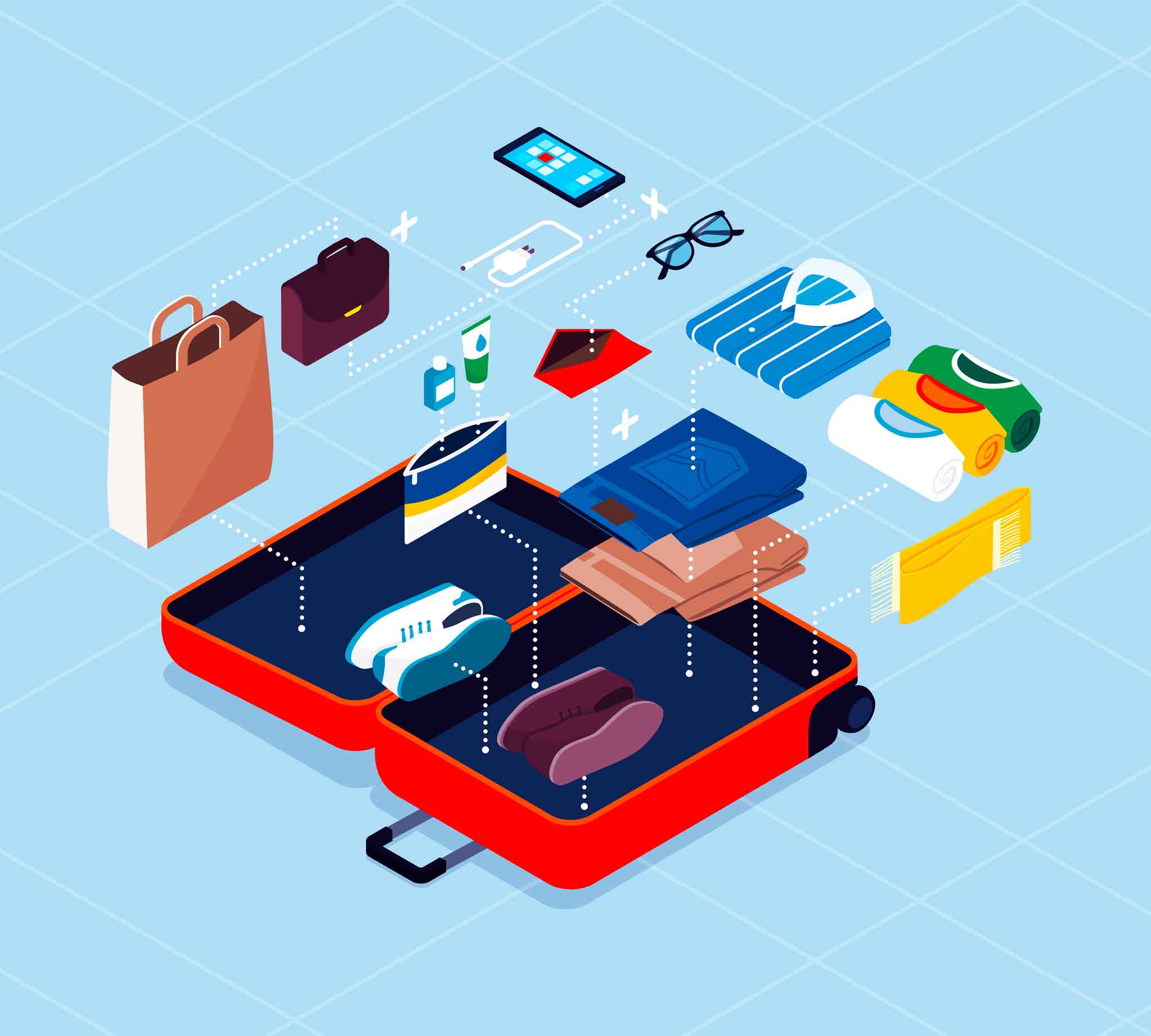
When packing for rehab, think comfort, simplicity, and practicality. Most recovery centers encourage you to pack as if you’re going on a week-long wellness retreat. You’ll want clothing that’s appropriate for both warm and cool weather, comfortable enough for group therapy, and suitable for exercise or relaxation.
At Clear Behavioral Health, we recommend bringing:
Prescription medications
Bring all of your current prescription medications, in original bottles, with a printed list of prescriptions. This will ensure that there is no lapse in treatment, whether the prescriptions are for mental health or other medical conditions.
Personal items
- Your photo ID or driver’s license and current insurance card
- Comfortable shoes, athletic sneakers, shower shoes, and slippers (optional)
- Shirts with sleeves, T-shirts, or lightweight cardigans for layering
- Jeans, pants, shorts, or appropriate skirts
- Workout or gym clothing
- Underwear and socks
- Swimsuit (if permitted for recreational activities)
- Pajamas or other comfortable sleepwear
- Personal items such as glasses or contacts
- Toiletries such as toothbrush, toothpaste, deodorant, shampoo, razor, and sunscreen
- Cosmetics and feminine hygiene products (if desired)
- Optional items for comfort and creativity, such as art supplies, journals, instruments, or books, that are pre-approved by staff
Remember that most rehab centers, including ours, offer laundry facilities, so you don’t need to overpack. Aim for about seven to ten days of clothing that can be mixed, matched, and easily washed.
Related: What’s it Like Day-to-Day in Addiction Treatment Rehab?
What is not allowed in rehab?
Each facility has its own rules and policies, but most residential addiction treatment centers prohibit anything that could interfere with recovery or safety. Commonly restricted items include:
- Alcohol, drugs, or any products containing alcohol (e.g., mouthwash, hand sanitizer, nail polish remover)
- Weapons, sharp objects, or aerosol cans
- Clothing that’s revealing or carries drug-related or offensive imagery
- Unapproved over-the-counter medications or supplements
- Electronic devices with internet access, including laptops or tablets
- Vape pens, e-cigarettes, or smoking items (unless unopened and permitted by staff)
- Excessive jewelry or valuable items
- Candles, incense, or other flammable items
These guidelines are designed to create a supportive, substance-free environment where you can focus fully on your recovery. If you’re unsure about an item, our admissions team can review it with you before check-in.
Related: Can You Have Your Phone in Rehab?
What can you bring to someone in rehab?
If you’re visiting or sending something to a loved one in treatment, always check with the facility first. Most inpatient rehab centers allow small, thoughtful items that support comfort or connection without violating safety rules.
You can typically bring or send:
- Personal letters, greeting cards, or uplifting notes
- Books, journals, or magazines that have been pre-approved
- Photographs or small framed pictures
- Art supplies, puzzles, or games without prohibited imagery
- Clothing or shoes that meet program guidelines
- Approved toiletries or personal care items
Avoid sending food, drinks, money, or electronic devices unless explicitly permitted by the treatment center. Many facilities have strict rules for patient safety and program consistency.
Related: Guide to Addiction Treatment Rehab
Preparing emotionally and mentally for rehab
Packing your bag is only part of the process. Preparing your mind and emotions for treatment is equally important. Take time to talk with family, settle personal matters, and plan for time away from work or school. Consider journaling your goals or writing a letter to your future self as you begin this new chapter.
It’s also normal to feel nervous or uncertain about what lies ahead. Remind yourself that taking this step shows courage and commitment to change. The more prepared you feel, the easier it is to focus on your recovery once treatment begins.
Benefits of coming prepared
Being organized before you arrive sets a positive tone for your stay. You’ll be able to focus more on healing and less on logistics. Having familiar, comfortable clothing and personal items can also help ease homesickness during early recovery.
Most importantly, packing with intention allows you to feel in control of the process. It can be an empowering feeling during a time of change and growth.
Aftercare and what comes next
Treatment doesn’t end when you leave rehab. Once you complete a residential program, your care team will help you transition into aftercare services like outpatient therapy, support groups, and alumni programs. Bringing a notebook or journal to rehab can help you capture insights and tools you’ll want to reference during this next phase of recovery.
Related: From Detox to Aftercare: The Full Journey of Drug Rehab
Break free from addiction with compassionate, evidence-based drug rehab today
Start your recovery at Clear Behavioral Health in Los Angeles
At Clear Behavioral Health, we provide comprehensive detox programs and residential drug rehab in the Los Angeles, CA area to help you begin recovery in a safe, structured, and compassionate environment. Our team is here to guide you through every step, from what to pack to what comes after treatment.