


Serving Areas:
Hawthorne, Lennox, Mar Vista, Venice, Marina Del Rey, Santa Monica, Crenshaw, Inglewood

Ages Served:
Adults and Teens
Our approach to grief disorder treatment
Grief disorder treatment at our El Segundo location focuses on helping people move through prolonged, intense mourning that has stalled their daily life, work, and relationships.
Our philosophy of compassionate care
We treat grief as a natural response that can become stuck, not a flaw in character. Sessions create space to process loss without judgment or a forced timeline.
Clinical therapies offered
Clinicians use grief focused cognitive behavioral therapy, complicated grief treatment techniques, and narrative approaches to help clients process loss, reduce intrusive thoughts, and rebuild routines.

Insurance accepted
Grief counseling costs are often eased by coverage. We accept most major insurance providers and our team can help verify your benefits before you begin.
Let us help you through the maze.

















What is grief disorder?
Grief disorder, also called prolonged grief disorder, describes intense mourning that does not ease with time. Unlike typical bereavement, it continues to disrupt daily functioning months after a loss.
Why choose Clear Behavioral Health?
Grief disorder treatment at Clear Behavioral Health’s El Segundo location combines structured clinical therapies with a pace that respects each person’s grieving process, in a setting focused on practical, daily coping skills.

Accessible care
Convenient, affordable, immediate, and easy to obtain

Built for you
Expert clinical care centered around your unique & evolving goals

Connected to community
Deep local support from your care team and peers, today and tomorrow
10+
Years of service
92%
Seen within 24 hours
16
Treatment Locations
50+
Care Providers
Grief disorder treatment programs in El Segundo
Our El Segundo programs offer individual grief therapy sessions designed to help you process loss at a manageable pace.






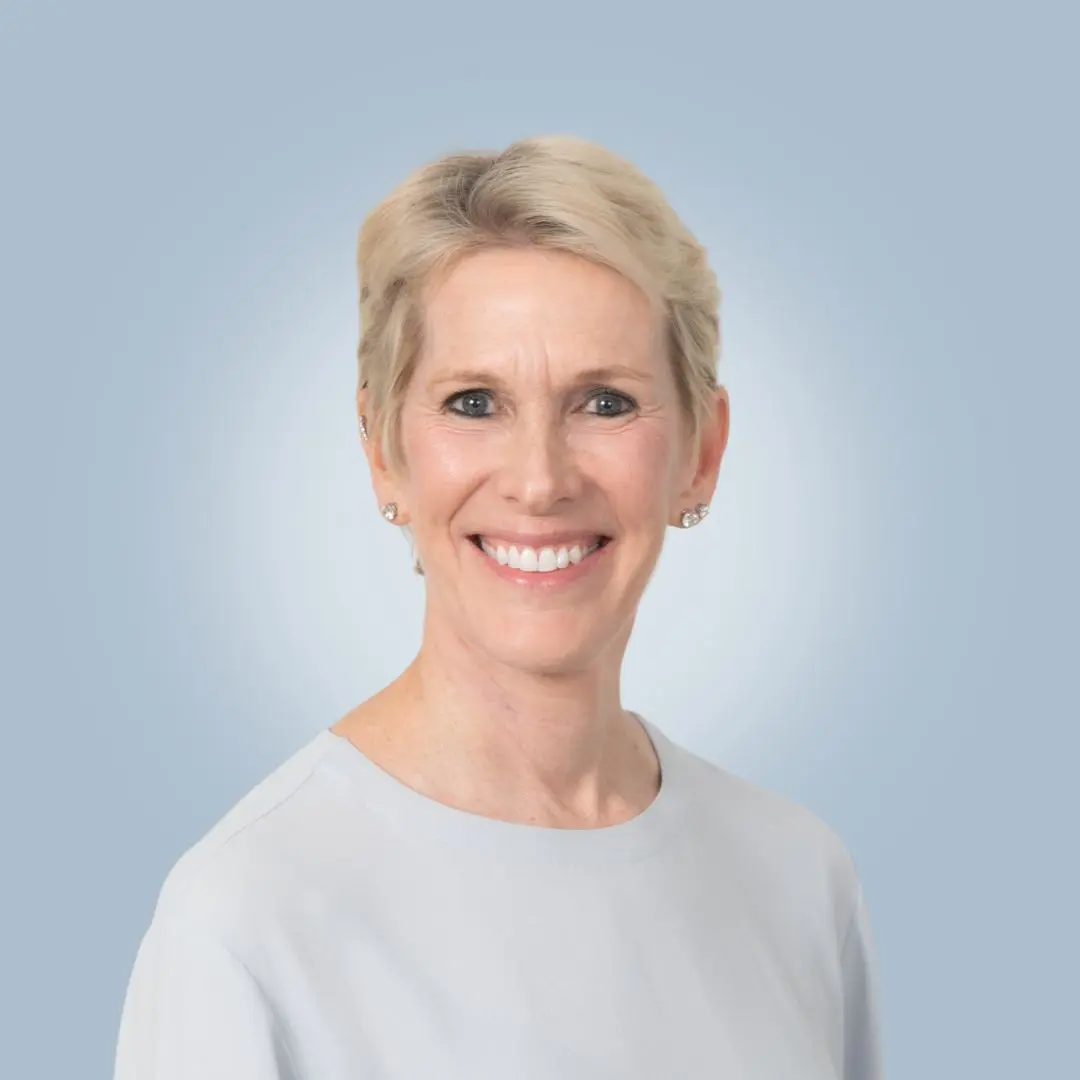
Grief disorder experts at Clear Behavioral Health, El Segundo
Our clinicians bring years of experience supporting people through grief, pairing clinical skill with genuine warmth so you feel heard, not rushed, while working through loss.



Testimonials
Our other services
We provide mental health services for teens and adults, as well as substance use disorder treatment for adults across Los Angeles and California. Learn more about some of our featured services:

Mental health conditions we treat
No matter your mental health challenges, we’re here to help. Our expert team of psychiatrists and mental health practitioners conducts thorough clinical assessments to diagnose and treat a range of mental health conditions, including depressive disorders, anxiety disorders, mood disorders, and more.

Drug and alcohol addictions we treat
Our alcohol and drug detox and rehab programs feature a dedicated team of addiction specialists, drug and alcohol counselors, and board-certified psychiatrists providing comprehensive evaluations to diagnose and treat your addiction.
Resources



Let’s take the first step toward healing together
Frequently asked questions
How soon can someone begin grief counseling in El Segundo at Clear Behavioral Health?
We offer timely intake for grief counseling in El Segundo, often scheduling an initial assessment within days of your first call so you can begin care without a long wait.
Does the El Segundo location offer evening or weekend sessions for grief support?
Scheduling at our El Segundo location includes some evening and weekend slots, making it easier to fit grief support sessions around work or family obligations.
Does Clear Behavioral Health offer medication support for grief related sleep or mood symptoms?
Clear Behavioral Health focuses on grief therapy rather than prescribing medication. For sleep or mood symptoms that need medication support, we can refer you to Neuro Wellness Spa.
Will Clear Behavioral Health help verify my insurance coverage for grief counseling?
Yes, our team can help verify your insurance benefits for grief counseling before your first visit, so you understand your coverage ahead of time.
How long does treatment for prolonged grief disorder usually take?
Treatment length varies by person and depends on symptom severity and how long grief has gone unaddressed. Many people continue sessions for several months while adjusting to loss.
What is the difference between normal grief and a diagnosable grief disorder?
Normal grief eases gradually as someone adjusts to the loss. A diagnosable grief disorder involves intense, persistent symptoms that continue to disrupt daily life and functioning.
What does a typical grief counseling session actually involve?
Sessions typically involve talking through memories and emotions tied to the loss, identifying unhelpful thought patterns, and building coping strategies for daily routines and relationships.