

Serving Areas:
Altadena, La Cañada Flintridge, Highland Park, Glendale, Burbank, Silver Lake, Los Feliz, Eagle Rock

Ages Served:
Adults and Teens
Our approach to stress management
Our approach to stress management focuses on understanding what is driving each person’s stress, from school and social pressures for teens to work, caregiving, and life changes for adults, and building a plan that fits their needs.
Our philosophy of compassionate care
We treat stress as a signal, not a flaw. It’s the body and mind telling you something needs attention. Clients receive judgment-free support in a safe space where they can talk openly and build healthy coping skills at their own pace.
Clinical excellence and modalities
Treatment uses evidence-based approaches like CBT, DBT skills, and mindfulness practices, delivered through individual therapy and group therapy on each program day. Teens take part in our in-person Teen Intensive Outpatient Program (IOP), where family therapy is part of each teen’s treatment plan, and adults can receive care through PHP or IOP. We also support co-occurring concerns such as anxiety or depression. When medication may help, medication management is provided through our psychiatry partners at Neuro Wellness Spa.

Insurance accepted
We accept most major insurance providers, and our team can help verify your benefits so stress treatment stays within reach for you or your teen.
Let us help you through the maze.
















What is stress management?
Stress is a natural response to pressure. In small doses it can help people focus and rise to a challenge, but when stress becomes constant, it can affect mood, sleep, concentration, and relationships.
Stress management is the process of learning to recognize those patterns and use practical tools to respond to pressure in healthier ways, before stress starts to feel overwhelming.
Why choose Clear Behavioral Health?
Clients and families choose Clear Behavioral Health in Pasadena for compassionate, evidence-based stress care that brings together individual therapy, group therapy, and practical coping skills, with family therapy included for teens.

Accessible care
Convenient, affordable, immediate, and easy to obtain

Built for you
Expert clinical care centered around your unique & evolving goals

Connected to community
Deep local support from your care team and peers, today and tomorrow
10+
Years of service
92%
Seen within 24 hours
16
Treatment Locations
50+
Care Providers
Stress management programs in Pasadena
Our Pasadena outpatient programs include an in-person Teen IOP with family therapy and dedicated school support spaces, along with adult PHP and IOP levels of care. Each program combines individual therapy, group therapy on each program day, and skill-building for managing stress.






Stress management experts at Clear Behavioral Health, Pasadena
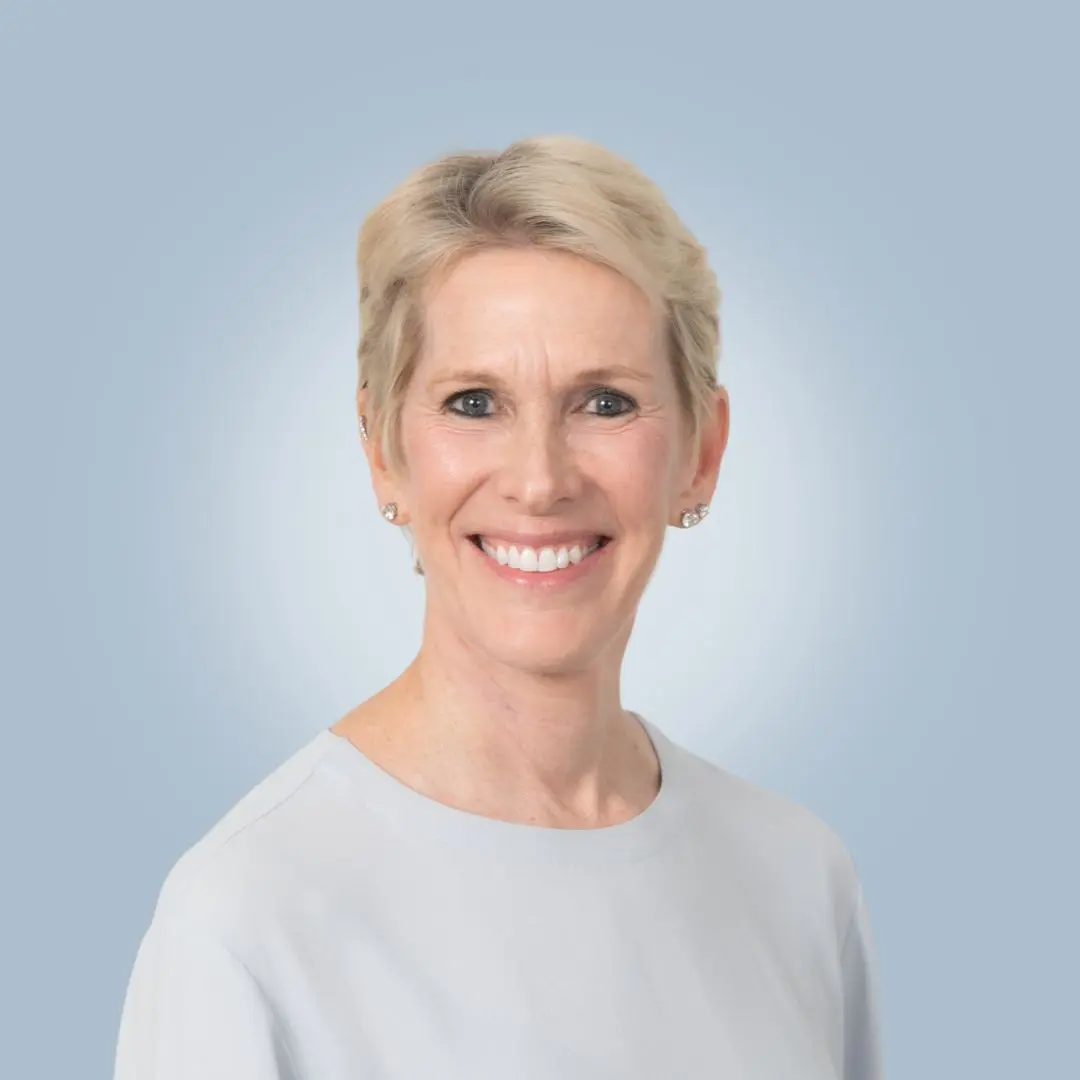
Our clinicians bring compassion, clinical expertise, and years of experience helping teens, adults, and families understand stress and build healthier ways to cope.


Testimonials
Our other services
We provide mental health services for teens and adults, as well as substance use disorder treatment for adults across Los Angeles and California. Learn more about some of our featured services:

Mental health conditions we treat
No matter your mental health challenges, we’re here to help. Our expert team of psychiatrists and mental health practitioners conducts thorough clinical assessments to diagnose and treat a range of mental health conditions, including depressive disorders, anxiety disorders, mood disorders, and more.

Drug and alcohol addictions we treat
Our alcohol and drug detox and rehab programs feature a dedicated team of addiction specialists, drug and alcohol counselors, and board-certified psychiatrists providing comprehensive evaluations to diagnose and treat your addiction.
Resources



Let’s take the first step toward healing together
Frequently asked questions
How do I know if stress needs professional support?
Consider reaching out if stress has lasted for several weeks and is affecting sleep, school or work, mood, or relationships. An assessment can help clarify what’s driving the stress and what level of support fits.
What therapies are used to help manage stress?
Treatment may include CBT, DBT skills, mindfulness practices, and relaxation techniques, delivered through individual and group therapy, with family therapy for teens. When medication may help, medication management is provided through our psychiatry partners at Neuro Wellness Spa.
Is stress treatment available in person or virtually?
The Teen IOP is held in person, with dedicated school support spaces to help teens keep up with academics. For adults, virtual therapy may be an option, and our admissions team can help determine the best fit.
How are parents involved in their teen’s stress treatment?
Family therapy is part of each teen’s treatment plan, and parents also join weekly multi-family groups with their teen and other families in the program. These sessions focus on communication, boundaries, and constructive ways to support each other.
Does Clear Behavioral Health accept insurance for stress treatment?
Yes, we accept most major insurance providers. Our team can help verify your benefits before you or your teen begins treatment.
What can I expect during the first appointment?
The first appointment includes an assessment where our team listens to your concerns, learns about your history, and creates a personalized treatment plan.
Is follow-up support available after treatment?
Yes. Before treatment ends, the care team helps plan aftercare so clients can keep building on the coping skills developed in treatment.