

Serving Areas:
Altadena, La Cañada Flintridge, Highland Park, Glendale, Burbank, Silver Lake, Los Feliz, Eagle Rock

Ages Served:
Adults and Teens
Our approach to dialectical behavior therapy
Our DBT program in Pasadena combines individual therapy, skills training groups, and phone coaching to help clients manage intense emotions and reduce harmful behaviors. Sessions focus on building practical skills that transfer directly into daily life at home, school, or work.
Our philosophy of compassionate care
We believe people are doing the best they can with the skills they have, and that change becomes possible once new skills are learned. Our Pasadena clinicians balance acceptance and validation with a clear push toward behavioral change.
Clinical therapies offered
Treatment includes weekly individual DBT therapy alongside structured skills groups covering mindfulness, distress tolerance, emotion regulation, and interpersonal effectiveness, with between-session coaching support for real-world practice.

Insurance accepted
Many families in Pasadena use insurance to help cover DBT care, and we accept most major insurance providers. Our team can help verify your benefits and explain coverage options.
Let us help you through the maze.















What is dialectical behavior therapy (DBT)?
Dialectical behavior therapy (DBT) is a structured, skills-based treatment originally developed for severe emotion dysregulation. It combines individual sessions with group skills training to help people manage intense feelings and reduce harmful coping behaviors.
Why choose Clear Behavioral Health?
Clear Behavioral Health’s Pasadena DBT program pairs individual therapy with structured skills groups, giving clients consistent coaching between sessions and a clear path for practicing new skills in daily life.

Accessible care
Convenient, affordable, immediate, and easy to obtain

Built for you
Expert clinical care centered around your unique & evolving goals

Connected to community
Deep local support from your care team and peers, today and tomorrow
10+
Years of service
92%
Seen within 24 hours
16
Treatment Locations
50+
Care Providers
Dialectical behavior therapy programs in Pasadena
Pasadena clients can access DBT through individual sessions and weekly skills groups focused on practical emotion regulation tools.






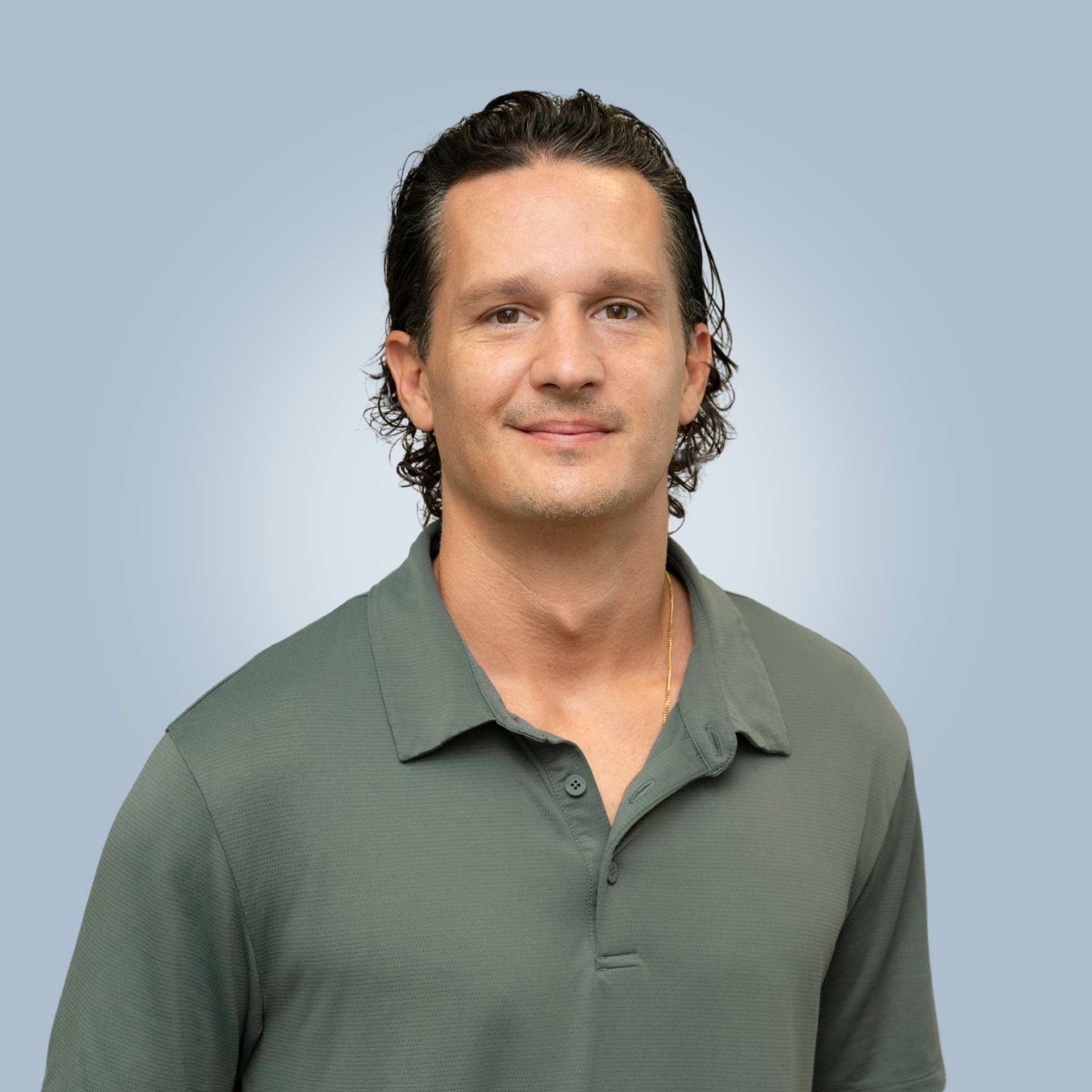
Our DBT experts at Clear Behavioral Health, Pasadena
Our Pasadena DBT clinicians bring steady, nonjudgmental support to every session, helping clients build skills at a pace that respects where they’re starting from and where they want to go.

Testimonials
Our other services
We provide mental health services for teens and adults, as well as substance use disorder treatment for adults across Los Angeles and California. Learn more about some of our featured services:

Mental health conditions we treat
No matter your mental health challenges, we’re here to help. Our expert team of psychiatrists and mental health practitioners conducts thorough clinical assessments to diagnose and treat a range of mental health conditions, including depressive disorders, anxiety disorders, mood disorders, and more.

Drug and alcohol addictions we treat
Our alcohol and drug detox and rehab programs feature a dedicated team of addiction specialists, drug and alcohol counselors, and board-certified psychiatrists providing comprehensive evaluations to diagnose and treat your addiction.
Resources



Let’s take the first step toward healing together
Frequently asked questions
What does a typical DBT skills group look like at Clear Behavioral Health in Pasadena?
Groups typically meet weekly and walk through one of four skill areas, such as mindfulness or emotion regulation, mixing short teaching segments with homework review and in-session practice.
Can I begin DBT treatment quickly at the Pasadena location, or is there a waitlist?
Our Pasadena team works to begin intake and scheduling as soon as possible after your first call, though exact timing can depend on current group availability.
Does Clear Behavioral Health combine individual DBT therapy with group skills training?
Yes. Our DBT program pairs weekly individual therapy with structured skills groups, and clients may also receive coaching support between sessions to apply new skills in real situations.
How long does a full course of DBT usually take to complete?
A full skills curriculum often runs several months, commonly organized in cycles of roughly six months, though the right length depends on each person’s goals and progress.
Does the Pasadena office offer evening DBT groups for people who work or go to school during the day?
Yes, evening DBT groups are available in Pasadena so people working or attending school during the day can still take part in weekly sessions.
How can my family find out if our insurance covers DBT treatment at Clear Behavioral Health?
Reach out to our team and we can check your plan details for you, explaining what your insurance may cover for DBT care before you begin treatment.
Is DBT only used for borderline personality disorder, or does it help with other struggles too?
DBT was developed for borderline personality disorder but is now used for a range of concerns involving intense emotions, including mood disorders, self-harm urges, and relationship difficulties.