


Serving Areas:
Hermosa Beach, Manhattan Beach, Redondo Beach, Palos Verdes Estates, Lomita, Carson, Gardena, El Segundo, Torrance

Ages Served:
Adults
Our approach to bipolar disorder treatment
Our South Bay clinicians build treatment plans around each person’s pattern of manic, hypomanic, and depressive episodes, paying close attention to triggers, sleep, and the daily rhythms that influence mood.
Our philosophy of compassionate care
Mood episodes can strain relationships, careers, and self-trust. Our care centers on steady collaboration between client and clinician, adjusting pace as mood states shift.
Clinical therapies offered
Our residential program provides 24/7 support and structured daily programming, including mood tracking, cognitive behavioral therapy adapted for bipolar patterns, and DBT skills for emotional regulation. Individual therapy, daily group therapy, and psychoeducation groups help clients understand the condition and support stability. When clinically appropriate, medication management is available through our partnership with Neuro Wellness Spa.

Insurance accepted
We accept most major insurance providers, including Cigna and Evernorth, and our team can help verify your benefits so cost concerns don’t delay bipolar disorder care.
Let us help you through the maze.
















What is bipolar disorder?
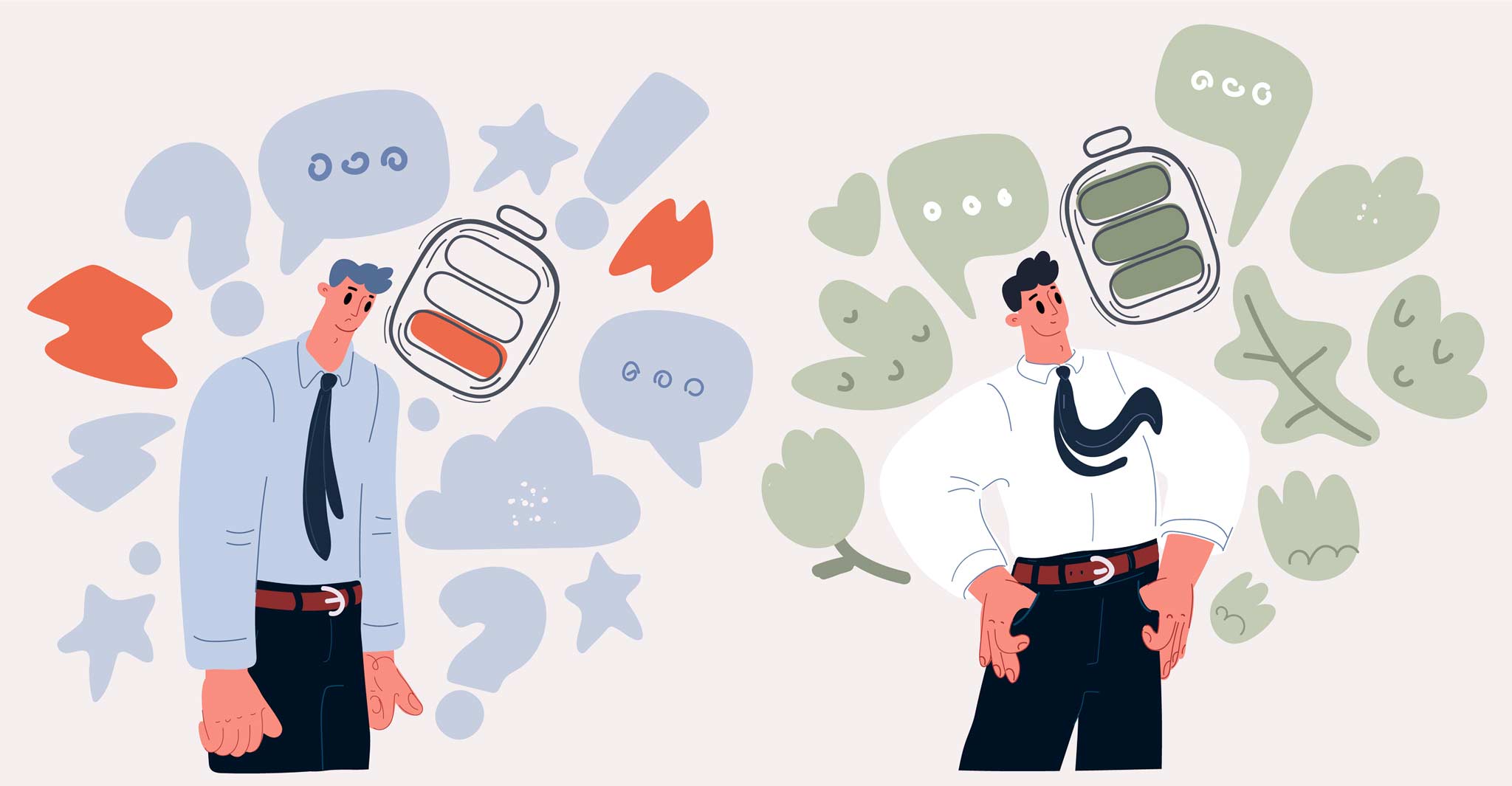
Bipolar disorder is a mood condition marked by shifts between emotional highs and lows that affect energy, sleep, and daily functioning. Bipolar I and bipolar II are the two most common types, and each follows a different pattern of episodes.
Why choose Clear Behavioral Health?
Bipolar disorder treatment in the South Bay at Clear Behavioral Health pairs 24/7 residential support with mood tracking, individual and group therapy, and family education, within a continuum of care that adjusts as your needs change.

Accessible Care
Convenient, affordable, immediate, and easy to obtain

Built for You
Expert clinical care centered around your unique & evolving goals

Connected to Community
Deep local support from your care team and peers, today and tomorrow
10+
Years of service
92%
Seen within 24 hours
16
Treatment Locations
50+
Care Providers
Bipolar I & II treatment programs in the South Bay
Our South Bay mental health programs offer adults a continuum of care for bipolar I and II, from structured residential treatment with round-the-clock support to outpatient care as they step down.






Bipolar I & II experts at Clear Behavioral Health, South Bay
Our South Bay therapists specialize in bipolar disorder treatment, bringing years of hands-on experience to every session while treating each client with patience, respect, and genuine care.

Testimonials
Our other services
We provide mental health services for teens and adults, as well as substance use disorder treatment for adults across Los Angeles and California. Learn more about some of our featured services:

Mental health conditions we treat
No matter your mental health challenges, we’re here to help. Our expert team of psychiatrists and mental health practitioners conducts thorough clinical assessments to diagnose and treat a range of mental health conditions, including depressive disorders, anxiety disorders, mood disorders, and more.

Drug and alcohol addictions we treat
Our alcohol and drug detox and rehab programs feature a dedicated team of addiction specialists, drug and alcohol counselors, and board-certified psychiatrists providing comprehensive evaluations to diagnose and treat your addiction.
Resources

Let’s Take the First Step Toward Healing Together
Frequently Asked Questions
We know you may have questions about depression treatment and what to expect at Clear Behavioral Health. This section answers common concerns about our Los Angeles programs, services, and insurance, helping you feel informed and supported as you explore care options.
How quickly can I start bipolar disorder treatment in the South Bay?
Our admissions team works to schedule an initial assessment as promptly as possible and can help determine the right level of care. Reach out to check current availability.
Does Clear Behavioral Health accept Cigna or Evernorth for bipolar disorder treatment?
Yes. We accept most major insurance providers, including Cigna and Evernorth, and our team can help verify your benefits before treatment begins.
Is medication management available through Neuro Wellness Spa for bipolar disorder?
Yes. When clinically appropriate, medication management is available through our partnership with Neuro Wellness Spa and is coordinated with your therapy as part of one treatment plan.
How do treatment plans differ for bipolar I and bipolar II?
Plans are adjusted to episode type and severity. Bipolar I care often focuses on stabilizing after full manic episodes, while bipolar II care centers on hypomanic and depressive patterns.
What does a day in residential bipolar disorder treatment involve?
A typical day includes group therapy, psychoeducation, and skill-building focused on mood regulation, along with individual therapy, mood tracking, and holistic practices like mindfulness and yoga.
When is residential treatment the right fit for bipolar disorder?
Residential care may help when mood episodes make daily life hard to manage safely, or when outpatient support hasn’t been enough. Our team can help you decide which level of care fits.
How do I know if my mood swings are bipolar disorder or something else?
Mood swings alone don’t confirm bipolar disorder. A clinical assessment looks at episode length, intensity, and impact on daily life to distinguish it from conditions like depression or anxiety.